








































IDF Spokesperson
Hamas without uniforms: terrorists dressed as civilians
IDF officers in Naza: The Real Story say Hamas dropped its uniforms once the IDF entered Gaza. Who does that put in danger? The civilians beside them.
Key takeaways
- In Naza: The Real Story, IDF officers say that once the IDF was inside Gaza they did not meet a single Hamas terrorist in uniform.
- A 2014 Washington Institute analysis found Qassam terrorists in camouflage in peacetime; in wartime those uniforms were “nowhere to be found,” and the few terrorists seen were typically in civilian clothing.
- The Meir Amit Intelligence and Terrorism Information Center recorded IDF clashes in western Khan Yunis in February 2024 with armed terrorists, some of them in civilian clothes.
- Israel’s 2009 Gaza operation report, and Israel’s High Court in the targeted-killing case, treat distinction as binding: a terrorist who conceals arms among civilians remains a lawful target and makes the civilian next to him harder to protect.
What the officers describe
One sequence in the film is about clothing, and only clothing. Senior IDF reserve commanders and intelligence officers, filmed at night on Tel Aviv rooftops with their backs to the camera, describe how Hamas terrorists looked on 7 October and how they looked once Israeli forces were inside the Gaza Strip. They are not named on screen. The helicopter noise on the soundtrack is a production choice, not evidence.
Naza: The Real Story is self-funded and independently made by Roi Danino, Ariel Averbuch and Hagay Gutman. The film it answers, ‘Naza’ by Yuval Abraham and Rachel Szor, is built on anonymous soldier testimony and takes its title from the same IDF slang, naza, meaning collateral damage. Our officers are unnamed too. The difference is what stands behind them: below, their account is laid against the law of armed conflict and against reporting you can check. Anonymous accusation asks you to trust it. This asks you to verify it.
Two pictures of the same force
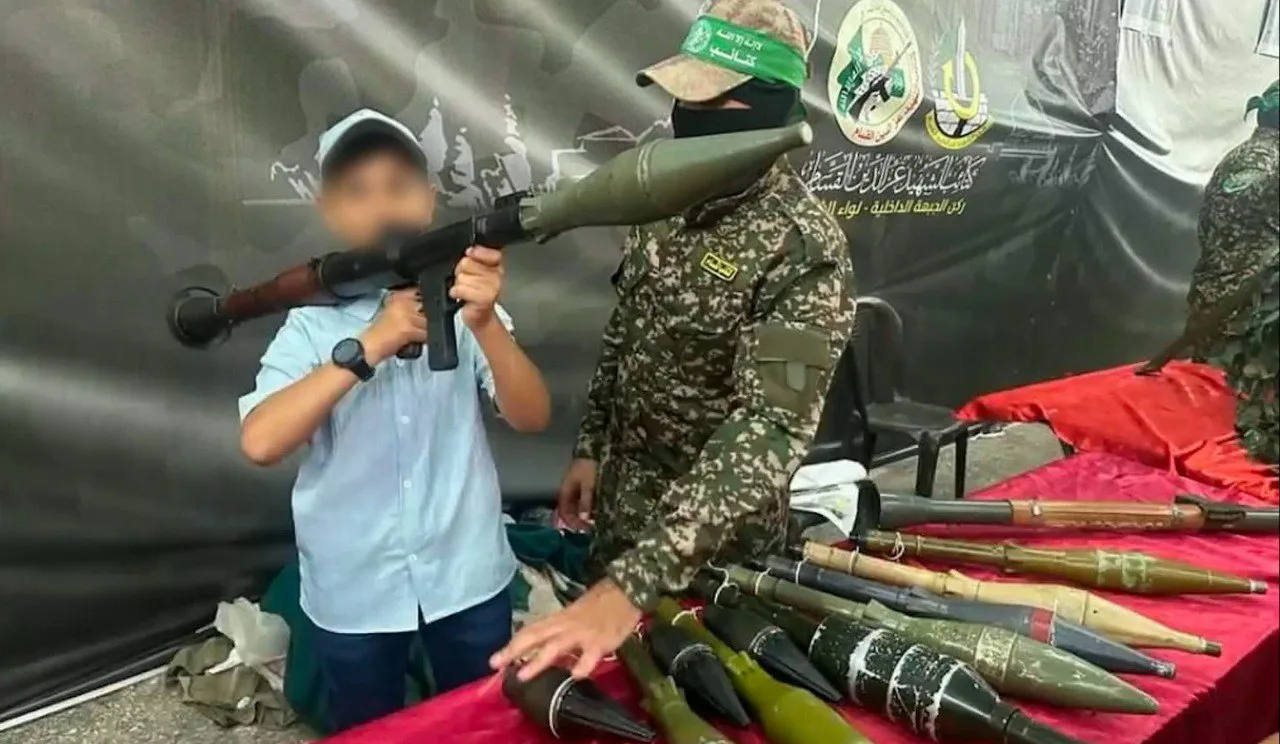
On 7 October, and in the days that followed in the kibbutzim and the Gaza envelope, some of the attackers wore military-style kit. Those images went around the world. They match the way Hamas has long shown the Izz al-Din al-Qassam Brigades away from the battlefield: camouflage, webbing, public display. In 2014 the Washington Institute recorded the split. In peacetime, it wrote, Qassam terrorists “are seen in all manner of camouflage and military uniforms openly and proudly displaying their weapons and military skills.” In wartime “these uniforms are nowhere to be found,” and the few terrorists spotted by the press were “typically dressed in civilian clothing (sometimes even women’s clothes) with weapons hidden.”
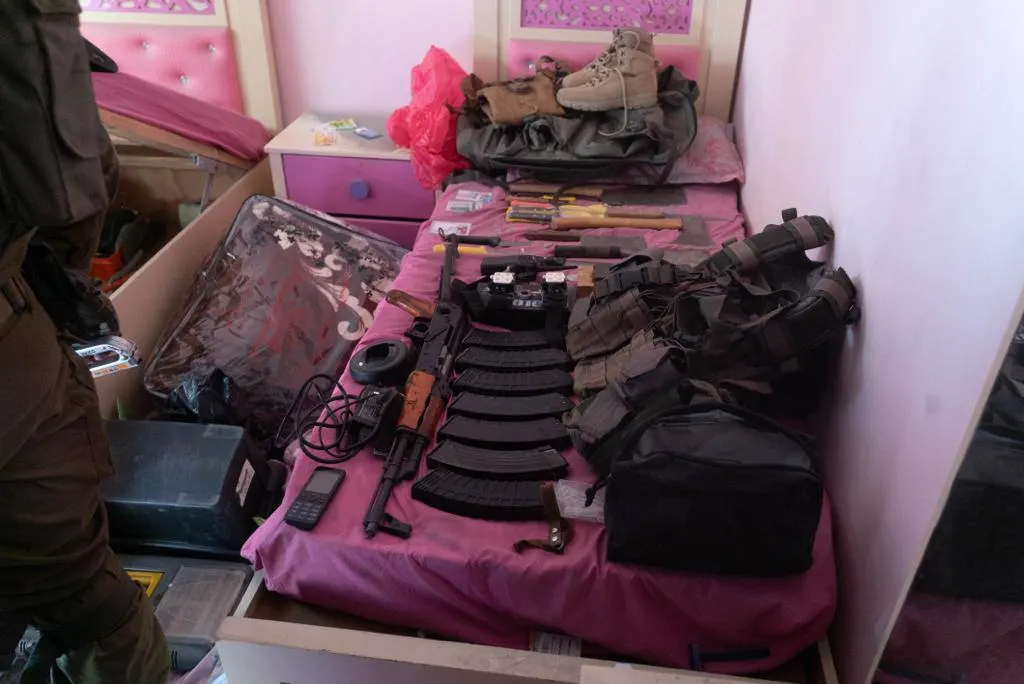
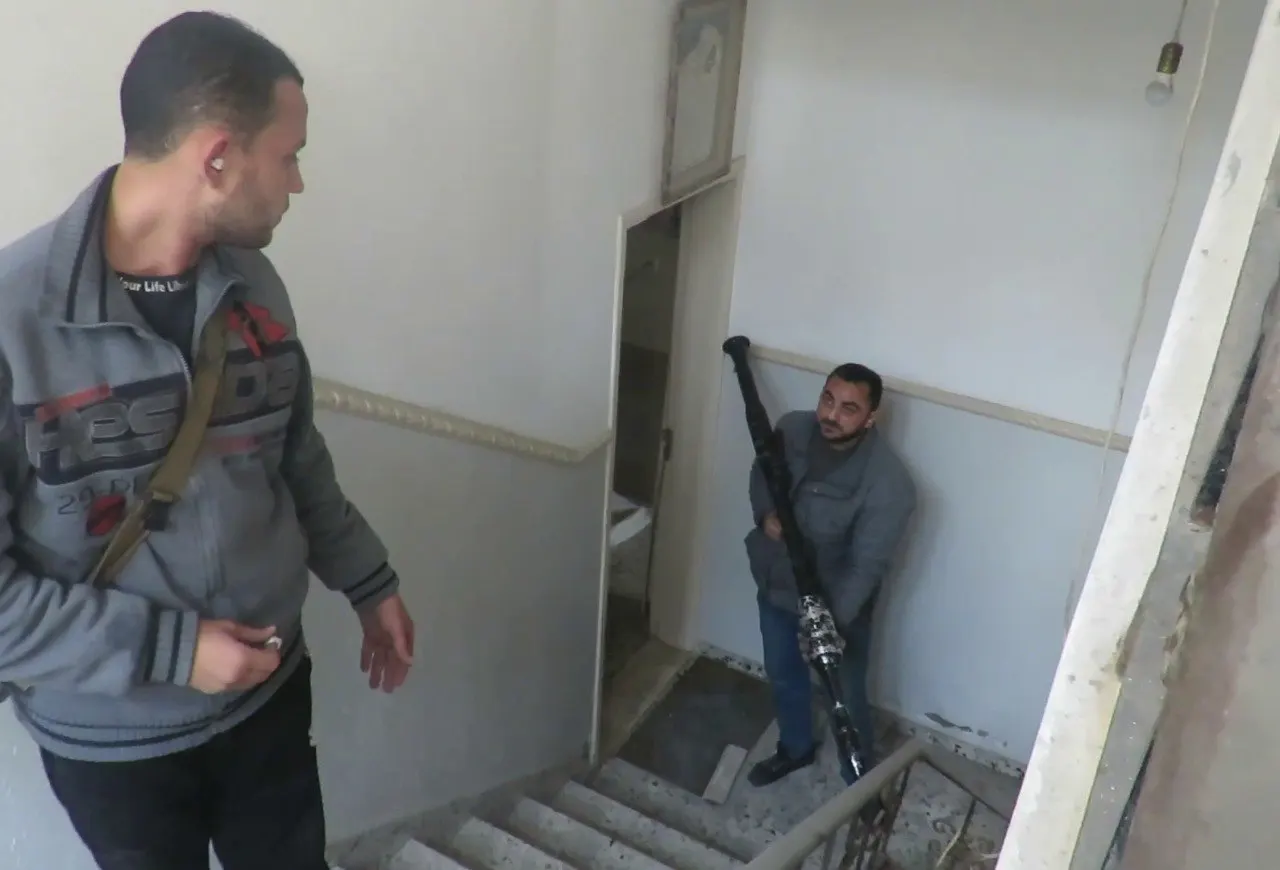
The officers in the film describe the second picture. Once the IDF entered the Strip, they say, they did not meet a single Hamas terrorist in uniform. Uniforms lay in houses while terrorists moved outside in jeans and T-shirts, often unarmed, walking toward weapons stored in homes. One officer describes a dead terrorist wearing a tzitzit, as if dressed to be taken for a hostage. Think about what that does to a soldier’s decision. A man who looks like the 7 October footage can be identified from the air. A man who looks like a neighbor with a cart cannot.
This is not new, and it is not only an Israeli claim. During Operation Cast Lead, Israel’s public report on the fighting recorded an interrogation in which a Hamas terrorist said he had hidden in a house with civilians and “changed his clothes so as not to be arrested.” In May 2024 Seth Frantzman, writing for the Foundation for Defense of Democracies, described Hamas after the first months of this war as having “gone to ground and melted away into urban areas,” fighting in small teams rather than formed battalions. On 6 February 2024 the Meir Amit Intelligence and Terrorism Information Center, citing the IDF, reported clashes in western Khan Yunis with “armed terrorists, some of whom were wearing in civilian clothes while attacking the forces.” Hamas’s own wartime media rules, issued by its interior ministry and later collected by the Jewish Virtual Library, tell speakers to call anyone killed “a civilian from Gaza or Palestine” before mentioning military rank, and not to show rockets fired from city centres or the movement of terrorists. The clothes, the melting into the city, the language: one method.
What the law requires
The law of armed conflict starts from a duty of distinction. Israel’s 2009 report on the Gaza operation cites Additional Protocol I, Article 48, and records that although Israel is not a party to the Additional Protocols, it accepts that this provision, like other rules on distinction and proportionality, reflects customary law. The report notes that the International Committee of the Red Cross customary study states the principle in its Rules 1 and 7, and that Israel agrees the study states distinction accurately even where it does not accept every listed rule. Attacks may be directed at combatants and at civilians who take a direct part in hostilities. Never at civilians as such.
The same law puts a duty on the other side: to distinguish its own forces from its own civilians. A 2014 compilation on the Jewish Virtual Library, drawn from a list of Hamas practices presented to Ban Ki-moon, puts it in the language of Additional Protocol I: parties must “distinguish their combatant forces from their own civilians, and not to base operations in or near civilian structures.” Article 51(7) of the Protocol, quoted there, forbids using the presence of civilians “to render certain points or areas immune from military operations.” Israel’s High Court, in the targeted-killing judgment summarised by the same library, held that a civilian who takes a direct part in hostilities loses protection for that time, including “a civilian bearing arms (openly or concealed) who is on his way to the place where he will use them against the army, at such place, or on his way back from it.” Jeans do not turn a terrorist into a civilian. A concealed weapon does not restore protection.
Perfidy is a narrower, separate prohibition. The 2009 operational order quoted in Israel’s Gaza report lists it among absolute bans, with hostage-taking and the use of human shields. Camouflage and other ruses are lawful. Walking among civilians in jeans is not, by itself, the same as abusing a white flag or a protective emblem. The line is crossed when a fighter invites the other side to treat him as a protected civilian in order to attack. Hamas’s recorded practice of changing clothes, storing weapons in homes and emerging to ambush sits right on that line. None of this lifts Israel’s own duties: distinction and proportionality still bind the attacker, and the IDF fights under strict rules of engagement. But be clear about who creates the danger. A terrorist who drops his uniform does not become a civilian. He makes the civilian next to him harder to protect. The Washington Institute’s 2014 point still holds: putting terrorists back in uniform would reduce the chance of mistaken fire, especially if Hamas keeps fighting inside cities.
How clothing shapes fire
The officers say the clothing change bears directly on when fire is opened and when it stops. That is the IDF side’s account of rules of engagement under strain, not a legal finding. Summaries of IDF combat video show the same problem up close. On 5 February 2024 the Foundation for Defense of Democracies recorded an IDF release from Khan Yunis: paratroopers near a Hamas brigade commander’s house shot and killed an armed terrorist who ran toward them and threw a grenade; the clip shows the explosion and, afterward, a knife. The army said no soldiers were hurt. The Meir Amit Center’s report the next day, from the same sector, described armed terrorists in civilian clothes attacking troops in western Khan Yunis. The two are not the same incident. Together they show what close-quarter fighting looks like when the enemy will not wear a uniform.
The same blending explains a tragedy the IDF has admitted. On 15 December 2023, in Shejaiya, soldiers killed three Israeli hostages after, in the IDF’s words as reported by the Foundation for Defense of Democracies, they “mistakenly identified three Israeli hostages as a threat.” Prime Minister Benjamin Netanyahu called the killings an “unbearable tragedy.” The military named two of the dead as Yotam Haim and Samer Talalka. The Meir Amit Center recorded that the shooting happened in a combat zone with many encounters with terrorists, and that the IDF opened an investigation. The same week the IDF showed dolls, children’s school bags, and loudspeakers that played children’s songs in Hebrew “to trick the forces into thinking there were hostages in the area.” The film’s tzitzit story, which is not independently documented here, belongs to that same fog: if a terrorist can look like a hostage, a hostage can look like a terrorist. Ask who built that fog.
What the clothing tells you
Search “Hamas uniform” and you get the 7 October pictures. According to the officers, that is not what the fighting inside Gaza looked like. Other sequences in the film cover strike radii, hospitals, aid trucks and hostages as a no-strike category; this one covers clothing only. It does not prove how often the pattern occurred, and it does not replace a full investigation of any single strike. It does match the Washington Institute’s earlier analysis, IDF and intelligence reporting from Khan Yunis, Israel’s own legal account of distinction and perfidy, and the reason uniforms exist at all: so that the man who may be killed is not the man who may not. A force that drops its uniforms is not only hiding from soldiers. It is hiding behind civilians. Watch the officers in Naza: The Real Story, free with English subtitles.
Sources
- Washington Institute, “Six Ways Hamas Could Limit Civilian Casualties in Gaza” washingtoninstitute.org
- Israel, “The Operation in Gaza: Factual and Legal Aspects,” via Jewish Virtual Library jewishvirtuallibrary.org
- Jewish Virtual Library, “Israeli Supreme Court Approves Restricted Targeted Killings” jewishvirtuallibrary.org
- Jewish Virtual Library, “Operation Protective Edge: War Crimes” jewishvirtuallibrary.org
- Meir Amit Intelligence and Terrorism Information Center, Operation Iron Swords update, 6 February 2024 terrorism-info.org.il
- Foundation for Defense of Democracies, Israel SitRep, 5 February 2024 fdd.org
- Foundation for Defense of Democracies, “Israel troops accidentally kill three Israeli hostages in ‘unbearable tragedy’” fdd.org
- Meir Amit Intelligence and Terrorism Information Center, Operation Iron Swords update, 17 December 2023 terrorism-info.org.il
- Seth Frantzman, Foundation for Defense of Democracies, “Hamas is preparing long-term insurgency in Gaza” fdd.org
- Jewish Virtual Library, “Myths & Facts: Online Exclusives Archive” (Hamas interior ministry media guidelines) jewishvirtuallibrary.org