





































IDF Spokesperson
How the IDF finds hostages in Gaza, and where Hamas hid them
Intelligence, tunnels and raids, from Ori Megidish to Nuseirat. Officers in Naza: The Real Story say where hostages might be, the IDF held its fire.
Key takeaways
- Israel’s count of people taken into Gaza after 7 October 2023 was revised upward to 251 (Jewish Virtual Library).
- Soldier Ori Megidish was recovered alive on 30 October 2023, the first military recovery of a hostage (Foundation for Defense of Democracies; Anti-Defamation League).
- Operation Arnon on 8 June 2024 recovered Noa Argamani, Almog Meir Jan, Andrey Kozlov and Shlomi Ziv from two buildings in Nuseirat (FDD, citing the IDF).
- Officers in Naza: The Real Story say areas where hostages might be held were closed to fire and entry, even when Hamas terrorists were seen there.
251 people
Israeli figures compiled by the Jewish Virtual Library show how the count grew as the scale of the 7 October 2023 attack became clear: the number of people taken into Gaza during and after it went from early estimates of more than 100, to 242, to 251. Most were civilians. Some came home in negotiated exchanges. Some were recovered in military operations. Some were recovered dead. A smaller number were killed by Israeli fire after they had already been seized. This post covers the military recoveries the officers in the film talk about. It is not a full list of hostages, and it does not cover the negotiations in detail.
Where Hamas hid them
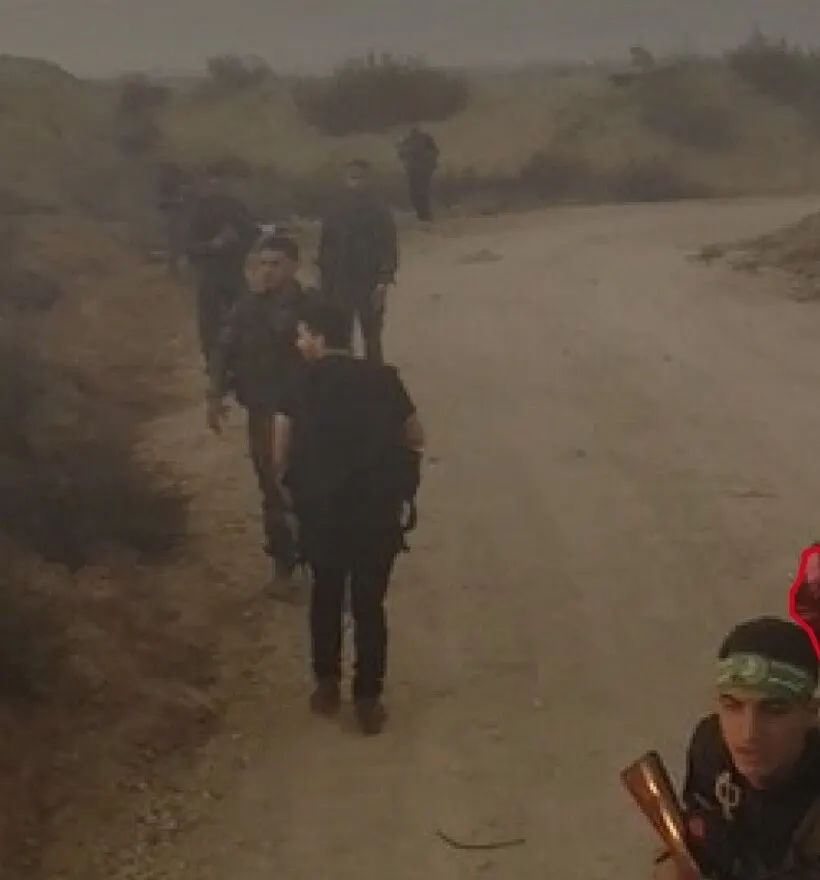
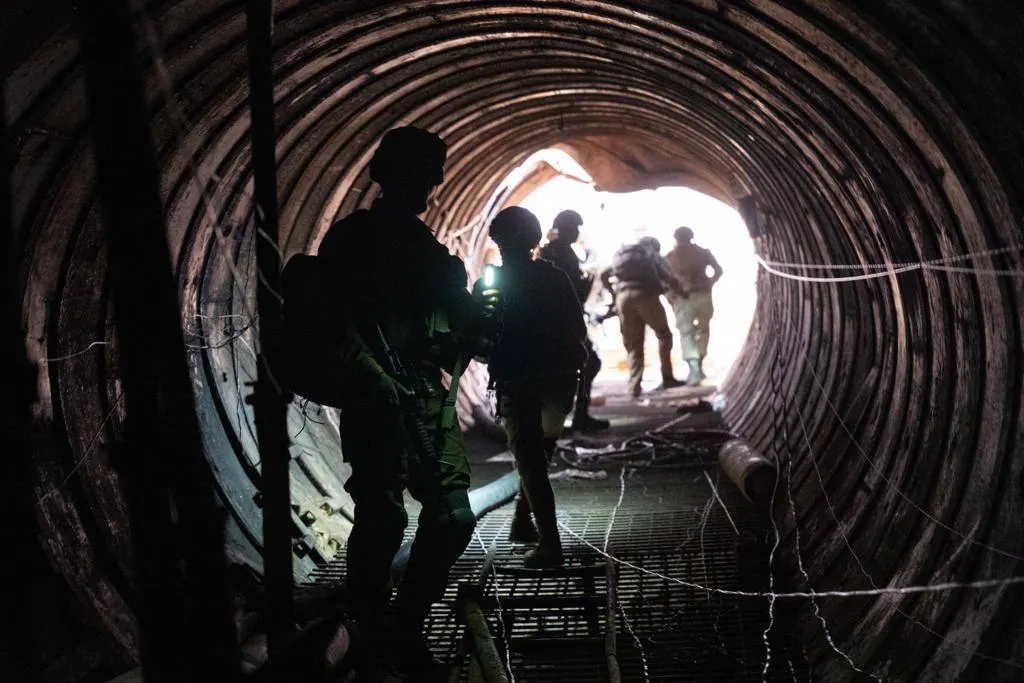
The IDF and the Israel Security Agency, the Shin Bet, describe finding hostages as intelligence work against the clock: information goes stale. Gaza is densely built and sits above a tunnel system that the terrorist organization Hamas has used to move terrorists, weapons and captives. The Foundation for Defense of Democracies recorded Hamas’s own claim that captives were held in “safe places and the tunnels of resistance.” Later IDF searches found underground rooms fitted as holding cells, and in some cases remains. Hostages were also held in apartments among civilians, with terrorists guarding them nearby. Hamas put its captives next to families. Every rescue had to start from that fact.
How a rescue is built
It is a chain, not a single raid. The Shin Bet and the IDF Intelligence Directorate’s hostage task force collect and refresh location data, including from interrogations. Special forces, often including the police counterterror unit Yamam, make the entry. Air, ground and medical units cover the extraction. IDF material on Operation Arnon says it followed many weeks of intelligence gathering by the Shin Bet and the hostage task force, and that commanders treated it as a high-risk mission based on precise intelligence.
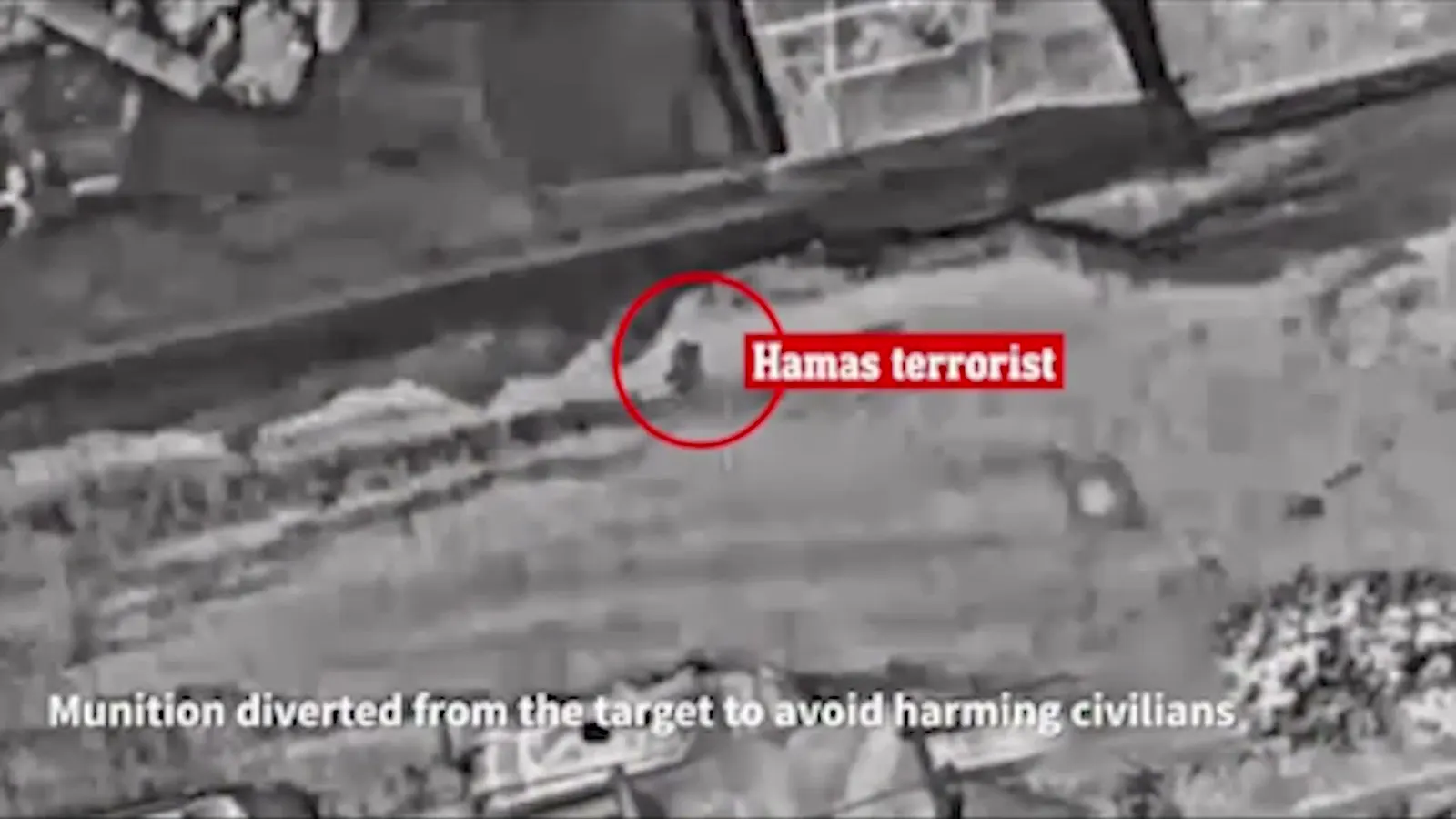
The officers in the film add one rule, stated outright: areas where hostages might still be held were closed to fire and entry, even when Hamas terrorists were seen there. An army that holds its fire with the enemy in sight, because a hostage might be close by. That is the part of the story the accusers leave out.
The rescues
The first military recovery of a living hostage was Ori Megidish, an IDF soldier abducted on 7 October. FDD and the Anti-Defamation League report that Israeli forces recovered her on 30 October 2023, in the first days of the ground offensive.
On 12 February 2024, in the operation later called Golden Hand, Israeli forces recovered Fernando Simon Marman, 60, and Louis Har, 70, who had been taken from Kibbutz Nir Yitzhak. FDD reported that the joint operation took place in Rafah, and that the two men were being held in a civilian building. Rear Admiral Daniel Hagari called it “a complex rescue operation under fire in the heart of Rafah, based on highly sensitive and valuable intelligence from the Intelligence Directorate and the Israel Security Agency.”
On 8 June 2024, Operation Arnon recovered four civilians kidnapped from the Nova music festival: Noa Argamani, 25, Almog Meir Jan, 21, Andrey Kozlov, 27, and Shlomi Ziv, 40. The IDF, as quoted by FDD, said they were taken from two separate buildings in Nuseirat in a daytime raid by the IDF, Shin Bet and Yamam, and transferred to Sheba Medical Center. According to IDF statements reported by FDD, Argamani was held in one civilian building and the three men in another; Abdallah Aljamal, described by the IDF as a Hamas terrorist, held the three men in his family home; and the hostages were held inside a densely populated area. The Paratrooper Brigade Combat Team moved the force to a helicopter landing point under fire. The operation is named for Yamam Chief Inspector Arnon Zamora, who was severely wounded during the entry and later died.
On 27 August 2024 the IDF and Shin Bet announced the recovery of Qaid Farhan Alkadi, 52, of Rahat, a Bedouin city in the Negev, in a complex operation in southern Gaza involving Shayetet 13, the 401st Brigade, Yahalom combat engineers and the 162nd Division. FDD reported that Israeli media said he was found in a tunnel where his captors appeared to have abandoned him. Hagari said his condition was stable. The Jewish Virtual Library recorded that he was the first living hostage rescued from a tunnel. Soldiers later found six other hostages murdered in a nearby tunnel. After Alkadi was found, Hagari said, troops were told to operate even more carefully because more hostages might be in the area, and forces did not have information on the exact location of those six.
Deals, failures, and the risk Hamas created
Most living hostages who came home in 2023 did so through a pause in fighting, not through raids. The Anti-Defamation League records that during the November 2023 pause, 105 hostages were released in several stages in exchange for Israel releasing approximately 240 Arab prisoners. Officers in the film say the military search continued while those talks were under way. A medical officer in the film also describes medicine sent for the hostages.
Not every encounter ended in a living recovery, and Israel says so itself. On 15 December 2023, the IDF said troops in Shejaiya mistakenly identified three Israeli hostages as a threat and killed them. The Jewish Virtual Library records that the men came out of a building without shirts, that one carried a white cloth, and that the IDF stated the soldiers did not adhere to the rules of engagement. FDD identified two of them as Yotam Haim and Samer Talalka; the Institute for National Security Studies names the third as Alon Shamriz. An army that announces its own fatal error is not hiding its record. Other hostages were recovered dead from tunnels after Hamas had already killed them.
The Nuseirat raid is the most disputed of the living recoveries. The Jewish Virtual Library records that the Hamas-run health ministry claimed hundreds of civilians were killed during the operation. Israel acknowledged that some people died, because the hostages were held in a densely populated civilian area and because the rescuers came under fire from the homes and the surrounding streets. Israel has not published a named list separating terrorists from civilians, and the toll in the covering fire remains contested. The setting is not. Holding kidnapped festival-goers in family apartments in a crowded camp is a method that moves the risk onto everyone living around them, and Hamas chose it.
Who put the hostages there
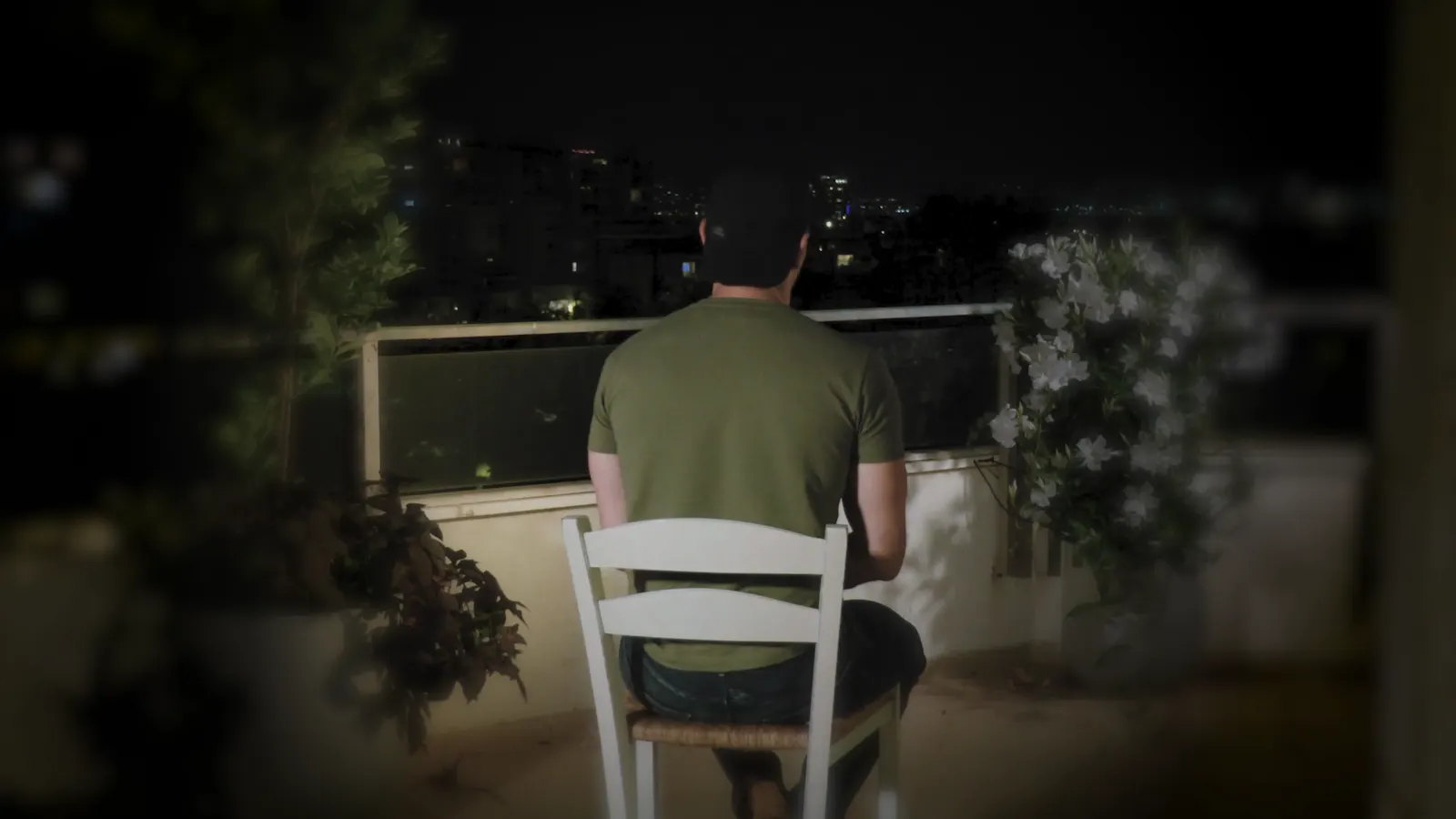
These accounts come mainly from the IDF, the Shin Bet, Israeli officials and the officers in the film, who appear with their backs to the camera, identified by role. Hamas, and some humanitarian organizations, describe the same raids as indiscriminate and emphasize deaths in Gaza. Independent verification inside Gaza during the fighting was limited. The record also includes hostages who were never found alive, and Israeli admissions of fatal error. What it shows is the method Israel says it used: precise intelligence, special-forces entry, and fire withheld from suspected holding sites. It did not always succeed, and it was not costless for the people living next to the captors. But it was the captors who put the hostages there. Hear it from the officers in Naza: The Real Story.
Sources
- Jewish Virtual Library — The Israel-Hamas War: The Hostages jewishvirtuallibrary.org
- FDD — 10 Things to Know About Hamas Tunnels fdd.org
- ADL — The October 7th War: A Timeline Of Key Events and Issues adl.org
- FDD — Israel rescues two hostages in Gaza raid fdd.org
- AJC — The Israeli Hostages: What We Know ajc.org
- FDD — IDF Liberates Four Hostages Abducted By Hamas On October 7 fdd.org
- FDD — Gantz resigns from Israeli war cabinet following rescue of four hostages in Gaza raid fdd.org
- FDD — What are the implications of Hamas holding hostages in Gaza civilian homes? fdd.org
- FDD — IDF rescues a hostage in Gaza fdd.org
- FDD — Israel Rescues Hostage in Southern Gaza fdd.org
- FDD — Israel troops accidentally kill three Israeli hostages in ‘unbearable tragedy’ fdd.org