
From the film · 2026-09-21
How Israel targets Hamas fighters in Gaza
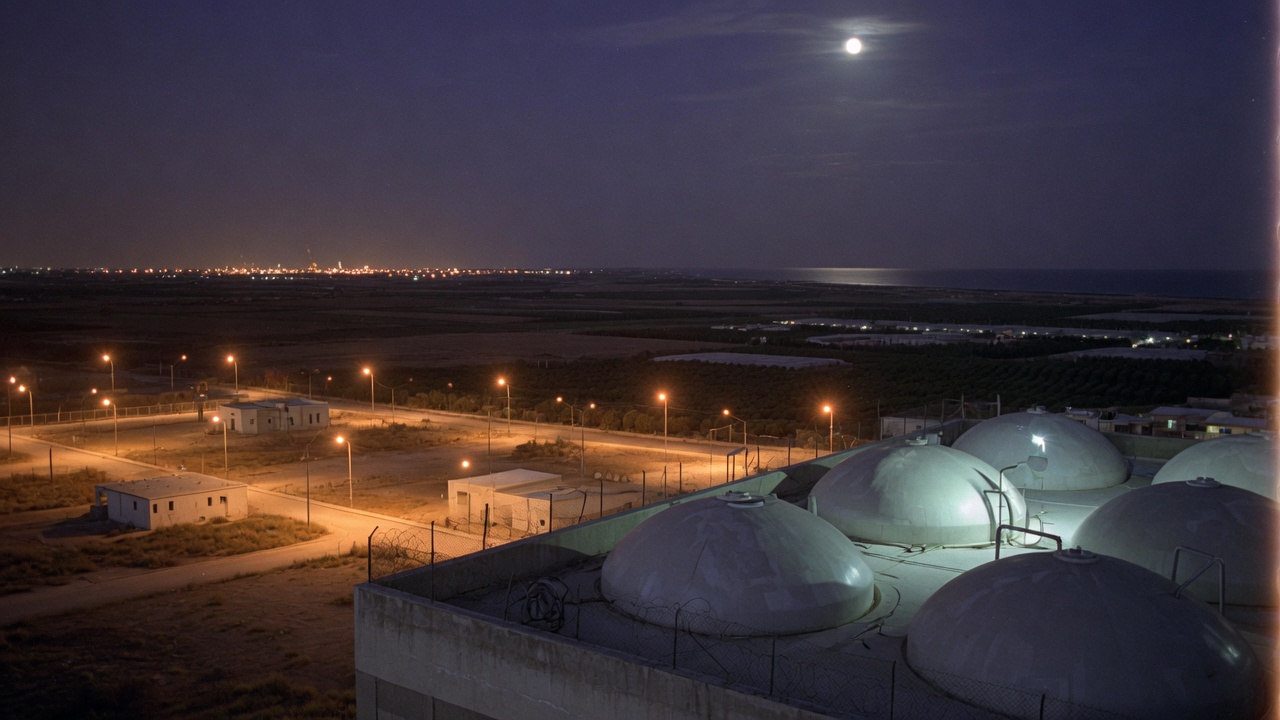
The film’s subject: the systems behind Israel’s targeting of Hamas fighters in Gaza. Rooftops, night, Tel Aviv, IDF soldiers describing the chain.
Night on the Tel Aviv roofs
Private Screener. Thank you for taking the time to watch this film. We’d value your honest impressions after viewing. This link is intended for you only. Please don’t forward, download, record, or publish any part of the film without prior permission.
This post is a written explainer that sits alongside the interviews. It describes the targeting process as the film's interviewees and the IDF describe it. Some of these claims are disputed by others, and the post notes where.
Background
On 7 October 2023, Hamas and allied armed groups attacked communities in southern Israel. Israeli officials say about 1,200 people were killed and hundreds were taken to Gaza as hostages. Israel then began a military campaign in Gaza, which the IDF calls Iron Swords. The film treats targeting as one of three areas of the war, alongside efforts to recover hostages and the delivery of humanitarian aid.
How the IDF says targeting works
According to the IDF and the film's interviewees, a strike begins with intelligence: a name, a phone, captured documents, or observation of a building. They say the identification is then checked, a weapon is chosen to fit the target, and legal review considers the expected harm to civilians and whether a warning is needed. The interviewees say a strike can be called off at several points, for example if civilians appear in the frame or if information about hostages changes.
The IDF says its intended targets are members of Hamas and Islamic Jihad, their commanders, and military sites such as launch positions, tunnel entrances, and command posts. It says it publishes its own counts of fighters killed and disputes casualty figures that do not separate combatants from civilians. Others dispute parts of this account.
Warnings and civilian harm
The IDF says it uses warnings such as phone calls, text messages, leaflets, and small munitions fired at roofs, along with announced evacuation routes. Israeli officials say Hamas places military assets in dense residential areas and near civilian sites such as hospitals. Human rights organizations and UN bodies raise concerns about the number of civilians killed and question whether warnings and evacuation orders were sufficient or possible to follow.
The film's interviewees say fighting in a dense city produces civilian deaths and that the process was meant to limit them. The IDF's account and its critics' accounts of the results differ, and this post does not settle that disagreement.
Hostages and aid on the same timeline
The interviewees describe efforts to recover hostages as part of the same nights of work. Military recoveries the film's context refers to include Ori Megidish on 30 October 2023, Operation Golden Hand in February 2024 (Fernando Marman and Louis Har), and Operation Arnon in June 2024 (Noa Argamani, Almog Meir Jan, Andrey Kozlov, and Shlomi Ziv). Other hostages were returned in deals. The interviewees say the possible presence of a hostage can change or cancel a strike.
On aid, COGAT is the Israeli body that logs trucks entering Gaza through crossings such as Kerem Shalom. Israeli officials say Hamas fired at crossings and took aid. Aid organizations and UN bodies describe the delivery situation differently. Separate posts on this site cover aid in more detail.
About the film
The film is made of interviews and presents the perspective of the Israeli soldiers it features. Their names are withheld. It is not a full account of the war and does not include the views of others involved.
Private Screener. Thank you for taking the time to watch this film. We’d value your honest impressions after viewing. This link is intended for you only. Please don’t forward, download, record, or publish any part of the film without prior permission.
Sources
More from the film
-
From the film · 2026-09-25
IDF fire rules near hospitals in Gaza: what an IDF commander says
-
From the film · 2026-09-25
Medicine for hostages in Gaza: what the film presents
-
From the film · 2026-09-25
A man and a toddler in a school shelter: an account from the film
-
From the film · 2026-09-25
Weapons in Gaza homes: a reserve commander’s account in the film