


































The genocide accusation: show us the intent
Genocide needs proven intent to destroy a group as such. Hamas put that intent in its charter. The accusers have not shown it, and no court has found it.
Key takeaways
- Genocide is defined by intent: under Article II of the 1948 Genocide Convention, listed acts count only if committed with intent to destroy a national, ethnical, racial or religious group, as such (Jewish Virtual Library treaty text).
- The court never found genocide “plausible”: Joan Donoghue, who presided when provisional measures were indicated, later said it “didn’t decide that the claim of genocide was plausible” (CAMERA).
- The Hamas-run Health Ministry’s figures do not separate terrorists from civilians; later Israeli estimates of terrorists killed ranged between 20,000 and 25,000 (FDD; Jewish Virtual Library).
- Commanders on camera in Naza: The Real Story describe rank-based strike approval and one rule: when there is doubt, you do not fire.
“Genocide” is the heaviest charge in international law. Since 7 October 2023 it has been thrown at Israel in parliaments, on campuses and across the media, as if repeating it made it true. It does not. The burden of proof sits with the accuser, and the legal test is narrow: intent. Here is the definition, what really happened at The Hague, the numbers each side publishes, and what senior Israeli officers say on camera. Only a court can rule on the merits. You can still check whether the accusation meets its own test.
The legal definition
The Convention on the Prevention and Punishment of the Crime of Genocide, adopted in 1948, defines genocide as any of a closed list of acts committed “with intent to destroy, in whole or in part, a national, ethnical, racial or religious group, as such.” The list: killing members of the group, causing serious bodily or mental harm, deliberately inflicting conditions of life calculated to bring about physical destruction, imposing measures intended to prevent births, and forcibly transferring children. That is Article II, as published by the Jewish Virtual Library.
Specific intent is the decisive element. A high death toll, urban destruction, even serious violations of the law of armed conflict do not, on their own, make genocide. The Anti-Defamation League’s legal backgrounder calls genocide “a very specific crime with legal elements requiring intent and action that are difficult to meet,” and says Israeli policies and actions “in no way” reach that threshold. The Jewish Virtual Library notes that legal findings of genocide are rare because they need clear evidence of intent to eliminate a protected group as such. The American Jewish Committee draws the same line: genocide means targeting people because of who they are, not because of what an armed organisation has done. None of this replaces a merits judgment. It does expose the trick. The accusers use the word as a synonym for a brutal war. It is not one.
Who declared an intent to destroy?
Start where the war started. On 7 October 2023, Hamas terrorists attacked communities and army posts in southern Israel. The Anti-Defamation League records that they killed over 1,200 people and took 251 hostages into Gaza. The Jewish Virtual Library’s summary of a UK parliamentary commission report gives 1,182 fatalities and 251 hostages, 210 of them taken alive. The Washington Institute has documented that Hamas produced much of the evidence itself: GoPro footage, Telegram posts, and instructions recovered from the attackers to kill and kidnap civilians.
Now read the terrorist organization Hamas in its own words. Its 1988 charter, quoted by the ADL, opens with Hassan al-Banna’s line that “Israel will exist and will continue to exist until Islam will obliterate it, just as it obliterated others before it.” That is a stated aim to destroy a national group. Israel’s stated war aims are to defeat Hamas as a military and governing force and bring the hostages home. So ask the accusers one question: which side wrote its intent down?
What Israel does, and what Hamas does
Israeli officials say the IDF warns before it strikes, designates evacuation zones, lets humanitarian aid into Gaza and runs hostage-recovery operations. Hamas does the opposite. It fights from inside civilian areas, including near hospitals and schools. The Foundation for Defense of Democracies has documented the pattern in this war: mosque broadcasts telling civilians to stay put, a physical roadblock to stop people moving south, and the systematic use of hospitals, schools and other civilian sites as cover.
The accusers answer that warnings and corridors were inadequate, that restrictions on goods produced famine-like conditions in parts of the Strip, and that some Israeli politicians’ statements show animus toward the Arabs of Gaza as a people. Argue about aid, rhetoric and targeting as much as you like. That is a different question from whether a state is pursuing the physical destruction of the Arabs of Gaza as such. The accusation only works if you blur the two.
What really happened at The Hague
South Africa filed proceedings against Israel in late December 2023, alleging that Israel’s campaign in Gaza was genocidal in character and asking, among other measures, for military operations to be suspended. The Jewish Virtual Library records the accusation and notes that Hamas, as a non-state actor, is not a party to the Convention. The Foundation for Defense of Democracies calls the filing lawfare that leaves out Hamas’s embedding among civilians.
Then came the headline you have probably seen: the court found genocide “plausible.” It did not. CAMERA has shown that this was a misreading. Joan Donoghue, who presided when the provisional measures were indicated, later said, as CAMERA records: “I’m correcting what’s often said in the media — it didn’t decide that the claim of genocide was plausible.” The Jewish Virtual Library likewise states that the court “did not find that Israel had violated or was violating the Genocide Convention.” There is no verdict on the merits. There is a media myth.
Israel rejects the accusation outright. In opening argument, legal adviser Tal Becker called the application “a libel, designed to deny Israel the right to defend itself according to the law from the unprecedented terrorist onslaught it continues to face, and to free the 136 hostages Hamas still holds,” in words preserved by the Jewish Virtual Library. The United States, through State Department spokesman Matt Miller, called the genocide allegations “unfounded” and pointed to those “who continue to openly call for the annihilation of Israel.” Ireland later sought to intervene. According to FDD, Irish officials asked the court to “broaden its interpretation” of what counts as genocide by a state, including by inferring intent where a “reasonable person would have foreseen” destruction as a “natural and probable consequence.” FDD’s Orde Kittrie reads that request as a sign that Israel is not committing genocide as the 1948 treaty defines it. If the case fit the definition, why ask to widen it?
Death tolls: whose numbers?
The suffering of civilians in Gaza has been severe. The question is whose numbers you use. The figures most often cited are the Hamas-run Health Ministry’s figures, and their method is contested. FDD notes that the ministry does not distinguish civilians from terrorists, does not record the circumstances of death, and in past wars has counted people killed by rockets fired from Gaza that fell short. The Jewish Virtual Library records the same defects: incomplete data, natural deaths mixed into war lists, and later Israeli estimates that between 20,000 and 25,000 terrorists had been killed. If a substantial share of the ministry’s total are terrorists, the civilian share is lower than the headline implies. If Israel’s count of terrorists is inflated, the reverse is true. Honest reporting gives both series and the gap between them. Most headlines give one.
Aid and intent
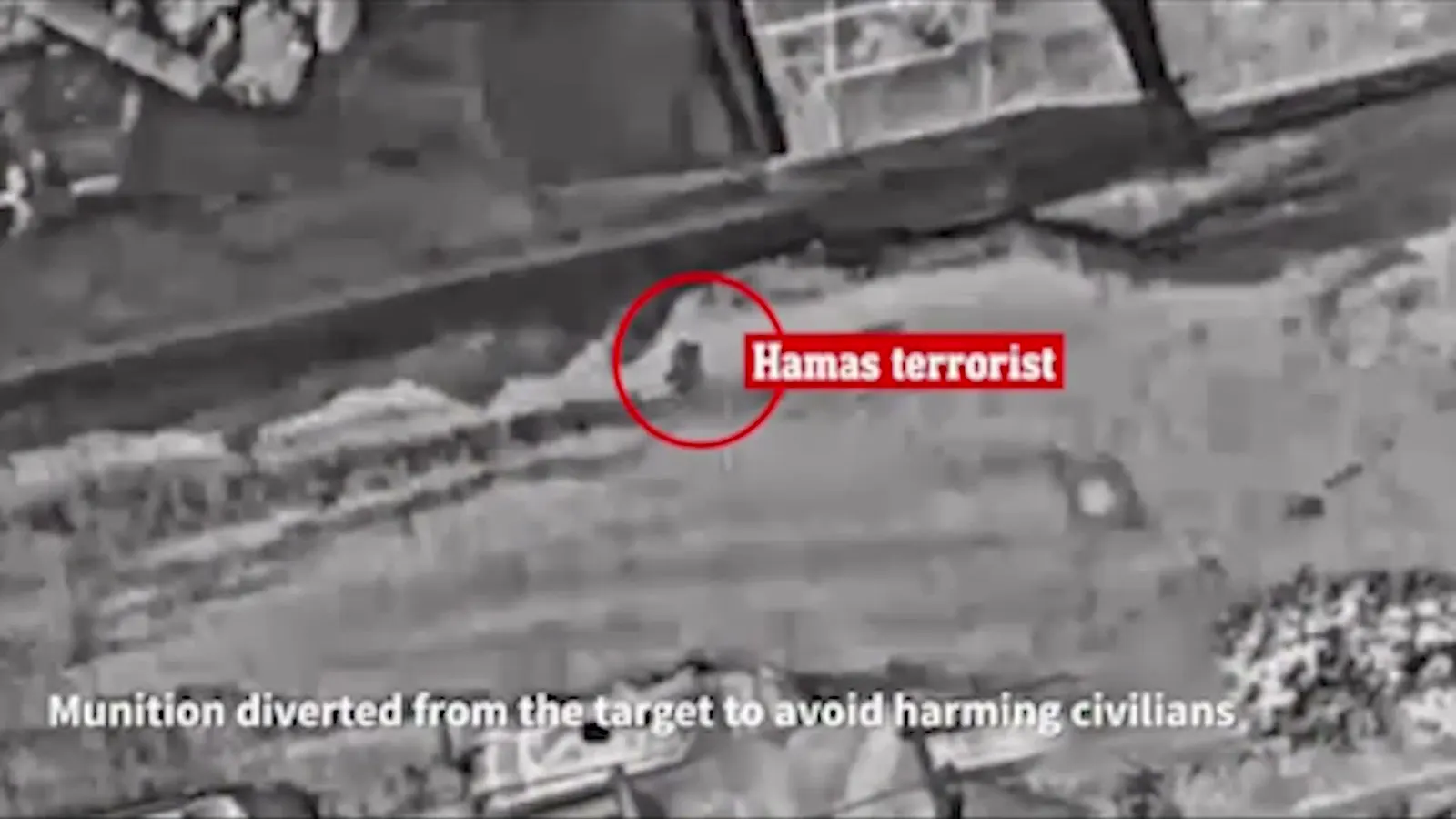
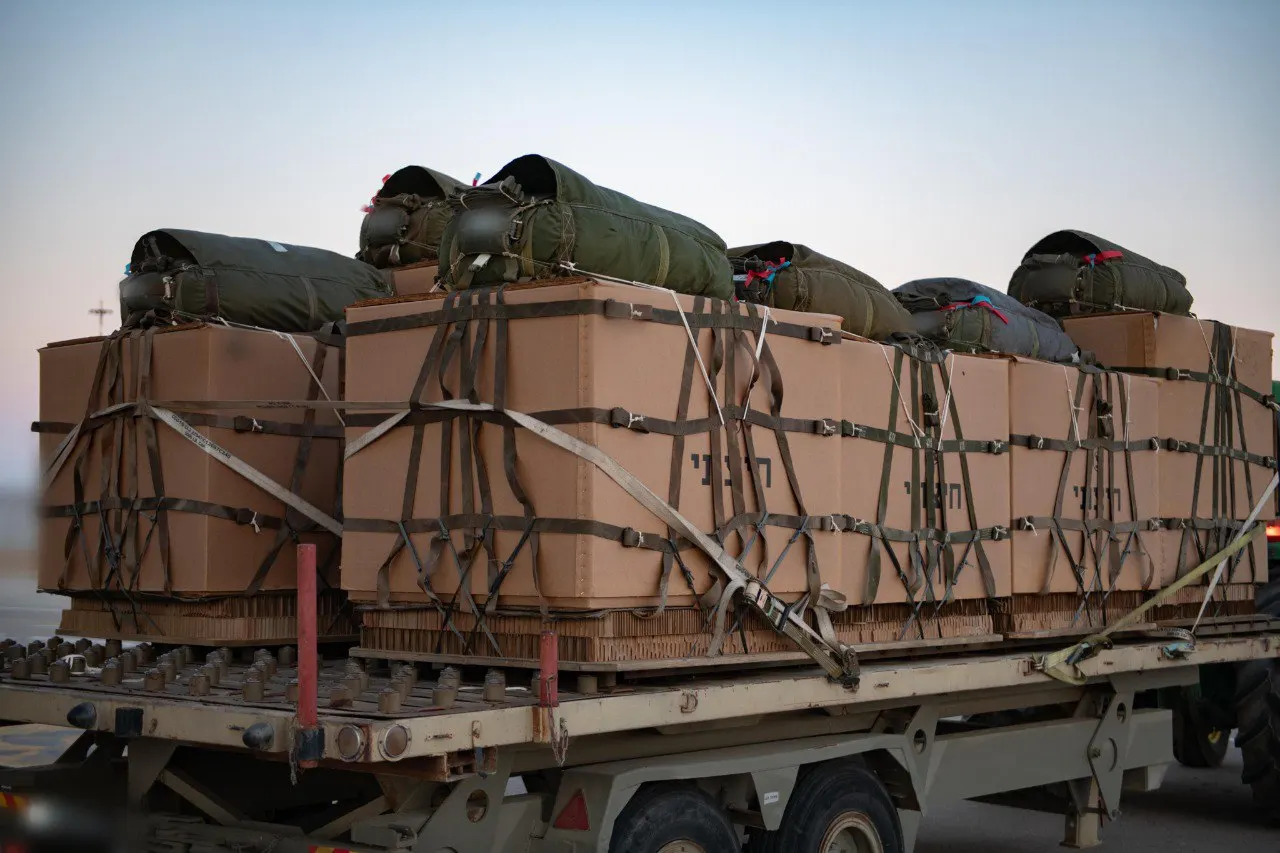
Israel, through COGAT, publishes data on the trucks and tonnage entering Gaza and says Hamas diverts supplies. FDD quotes COGAT: “we are not in a fight against the civilians of Gaza,” and records IDF maps, numbered blocks, designated shelters and a coastal safe zone. The Jewish Virtual Library reports more than a million tons of supplies delivered by mid-October 2024, and describes Hamas theft, threats against people who collect aid, and stocks left undistributed. The accusers still argue that access and distribution inside Gaza fell short of need. That is a dispute about logistics, and it cuts against the claim of a state policy to starve a people as such. A government that publishes aid dashboards, coordinates crossings and, in the IDF’s account, aborts strikes when civilians are seen is not thereby proved innocent of every unlawful act. It is also not shown to be pursuing the physical destruction of a group. What kind of genocide publishes its aid deliveries?
South Africa and aligned advocates point to the scale of bombing, to displacement and to some ministers’ language. Israel and legal critics of the case reply that the operational pattern, the warnings, the humanitarian corridors and the targeting of Hamas rather than “Palestinians as such” cannot be reconciled with genocidal intent. AJC says it plainly: Israel’s campaign is “solely against the terrorist organization Hamas,” which is “the exact opposite of reflecting an attempt to eliminate the Palestinian population.” Hamas’s charter and its conduct on 7 October stand on the other side of that line.
What the officers say on camera
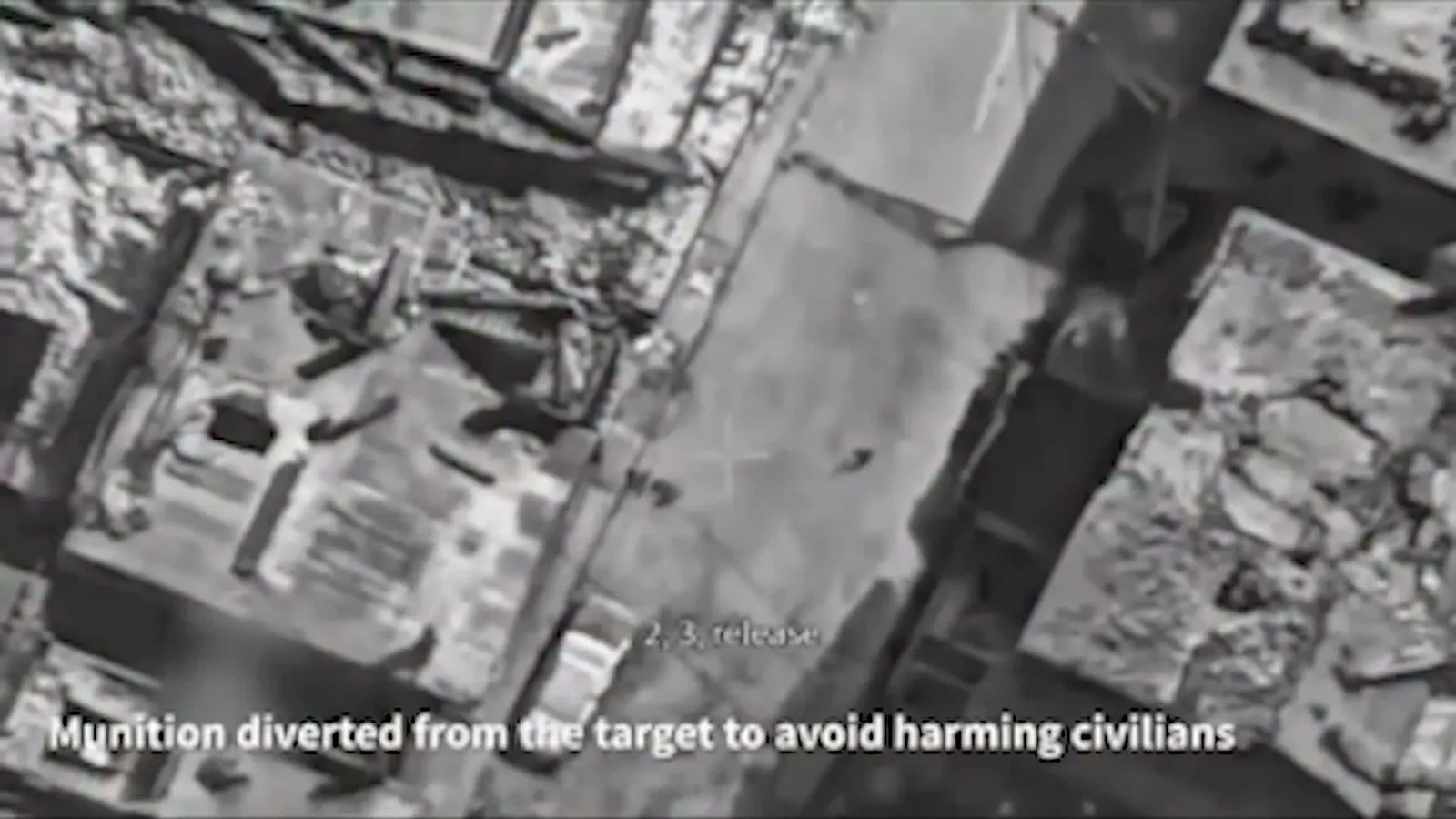
Naza: The Real Story is a 2026 Israeli documentary of interviews with senior IDF commanders and intelligence officers, filmed partly at night on rooftops in Tel Aviv. They sit with their backs to the camera and are identified by the roles they held. They describe the rules of engagement they say the IDF followed: a strike needs approval that depends on rank, people who are not armed are not targeted, and “when there is doubt, you do not fire.” They say sensitive sites such as schools, hospitals, mosques and clinics were marked, and that civilians were warned and told to leave.
That is testimony, not a court finding. Put it next to the testimony in other films, next to strike videos, and next to the October 7 massacre that opened the war. It describes a campaign against an armed organisation that hides in cities, not a programme to destroy a people.
Bottom line
Genocide needs intent. The terrorist organization Hamas wrote its intent into its charter and acted on it on 7 October. Israel’s accusers bring the Hamas-run Health Ministry’s figures and a request to redefine the word. Under the Convention, that distinction is the whole case. Watch the officers, then ask the accusers to show the intent.
Sources
- Jewish Virtual Library, What Is Genocide? jewishvirtuallibrary.org
- Jewish Virtual Library, Genocide Convention (Article II) jewishvirtuallibrary.org
- ADL, Allegation: Israel Commits Genocide adl.org
- AJC, Why Israel Is Not Committing Genocide ajc.org
- CAMERA, These News Outlets Spread the “Plausible Genocide” Libel camera.org
- CAMERA, On Atonement and False Charges of Israeli Genocide camera.org
- Jewish Virtual Library, Israel Accused of “Genocide” jewishvirtuallibrary.org
- Jewish Virtual Library, Opening Statement by Tal Becker jewishvirtuallibrary.org
- ADL, October 7 Hamas Attack on Israel adl.org
- ADL, Hamas in Its Own Words adl.org
- Washington Institute, Putting the Hamas Massacre, and Hamas Denials, in Context washingtoninstitute.org
- FDD, 5 Things to Know About the Hamas-Run Gaza Health Ministry fdd.org
- Jewish Virtual Library, The Israel-Hamas War: Casualties jewishvirtuallibrary.org
- FDD, Ireland Submits Declaration to Join South Africa’s Case fdd.org
- FDD, Hamas Acts to Prevent Northern Gazans from Fleeing South fdd.org
- FDD, Israel Expands Aid Access to Gaza fdd.org
- FDD, IDF COGAT: ‘We are not in fight against civilians of Gaza’ fdd.org
- Jewish Virtual Library, The Humanitarian Crisis in Gaza jewishvirtuallibrary.org