








































Naza: The Real Story: IDF commanders on camera
Senior IDF commanders speak on camera, in their own roles, in a 41-minute Israeli film on Gaza combat, Hamas tactics and the rules of engagement.
Key takeaways
- Middle East Eye reported a 49-minute runtime with English subtitles; the official player now has captions in 46 languages.
- The Free Press records that *NAZA*, by Yuval Abraham and Rachel Szor, premiered at Venice on 10 September 2026 and won the Special Jury Prize.
- The New York Times reports that the earlier film rests on anonymous interviews with 24 intelligence officers and soldiers; the IDF denied the allegations and cast doubt on those sources.
- FDD reporting documents Hamas weapons and tunnels next to schools and a kindergarten, and hostages held in a family home in Nuseirat.
Roles, footage and documents
Naza: The Real Story is a 41-minute Israeli documentary, released in 2026, that tells the Gaza war through officers it identifies as having fought it. Reporting on the official player describes a 49-minute runtime and English subtitles; the player now carries captions in 46 languages. It is the film this site hosts, and it exists for one reason: to put the people who made the decisions in front of a camera.
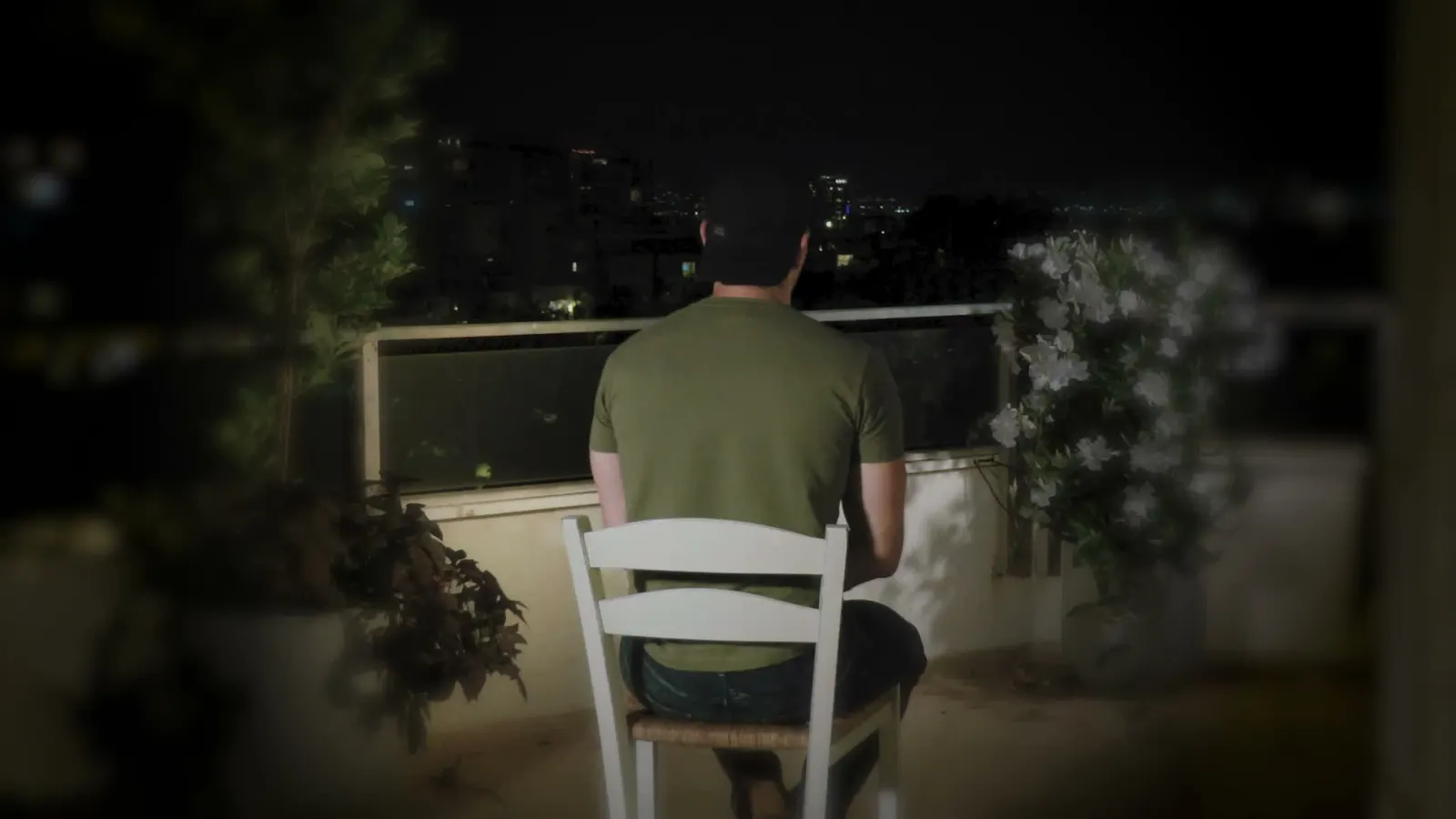
There are two films with this name, and the difference between them is the argument. NAZA, the 2026 documentary by Yuval Abraham and Rachel Szor, premiered at the Venice Film Festival on 10 September and won the Special Jury Prize. It is built on anonymous interviews with 24 Israeli intelligence officers and soldiers, filmed on Tel Aviv rooftops at night. The Israel Defense Forces denied its allegations, cast doubt on its sources, and stated that strike decisions are made by human personnel.
So who carries the burden of proof? The one making the accusation. A charge against an army needs more than testimony: names, dates and strike files that can be checked. Our film answers with commanders who sit with their backs to the camera, identified by role, and with photographs, footage and documents the filmmakers say were cleared for publication. Neither film is a court record. But ours sets its testimony beside material you can check, and puts people who say they ran targeting and ground operations on camera to explain the constraints they worked under.
Who speaks
The people on screen are senior IDF commanders, intelligence officers and soldiers, including officers who say they served in the chain of command that approves airstrikes and operations in Gaza. Reporting on the film describes rooftop interviews with those commanders, alongside combat footage, declassified material and captured intelligence. Coverage says this project uses a rooftop setting similar to the Venice film’s night shoot. The difference is what comes with the testimony. Here, people who say they approved fire speak with footage and documents on screen beside them.
What the film shows
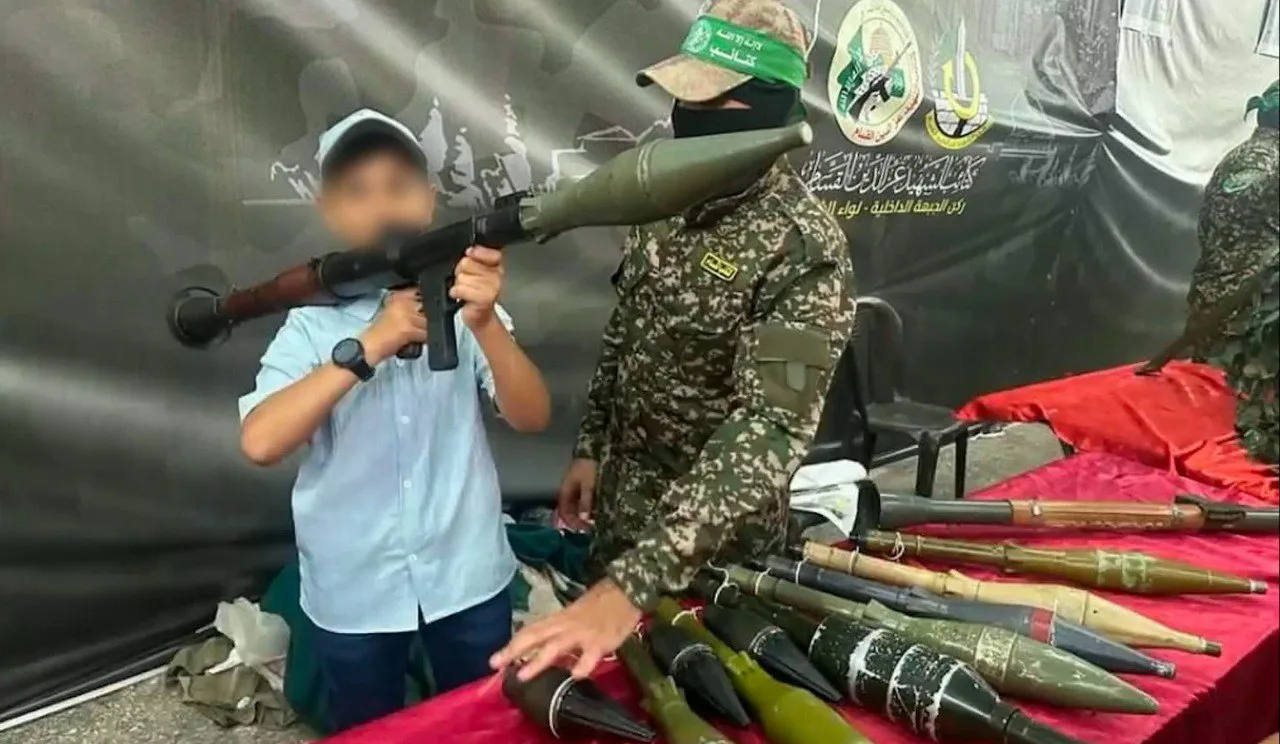
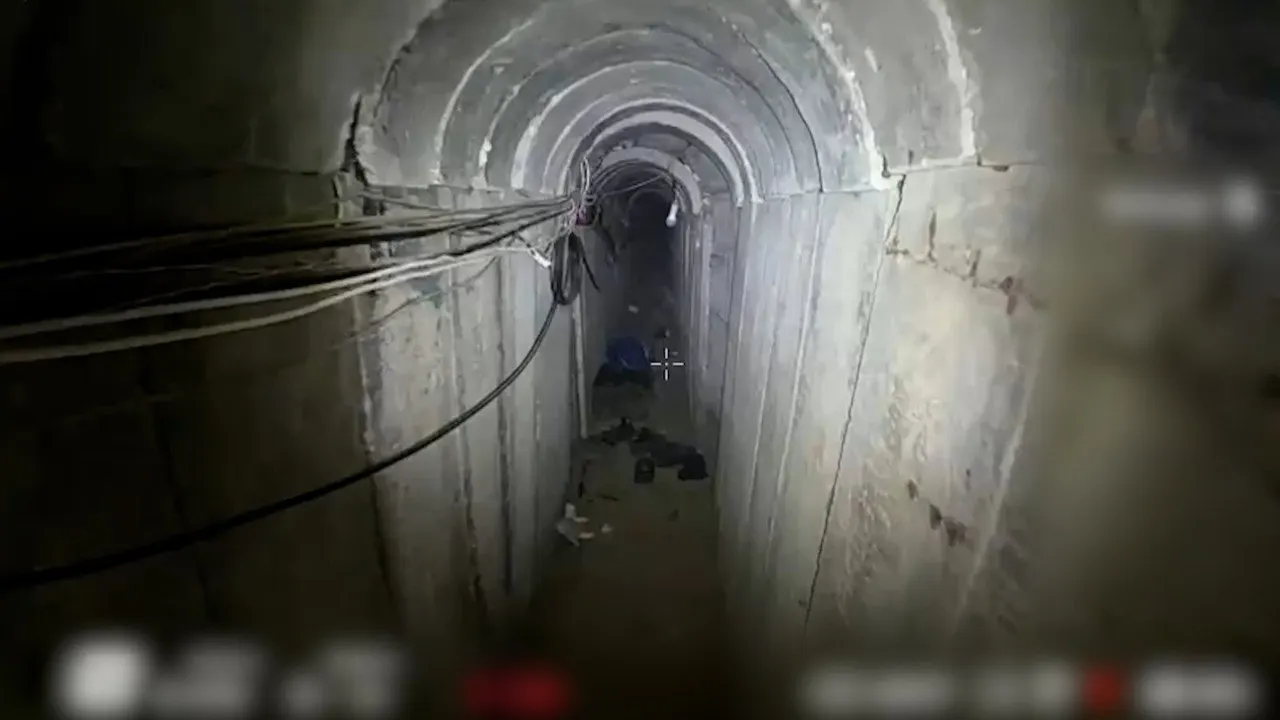
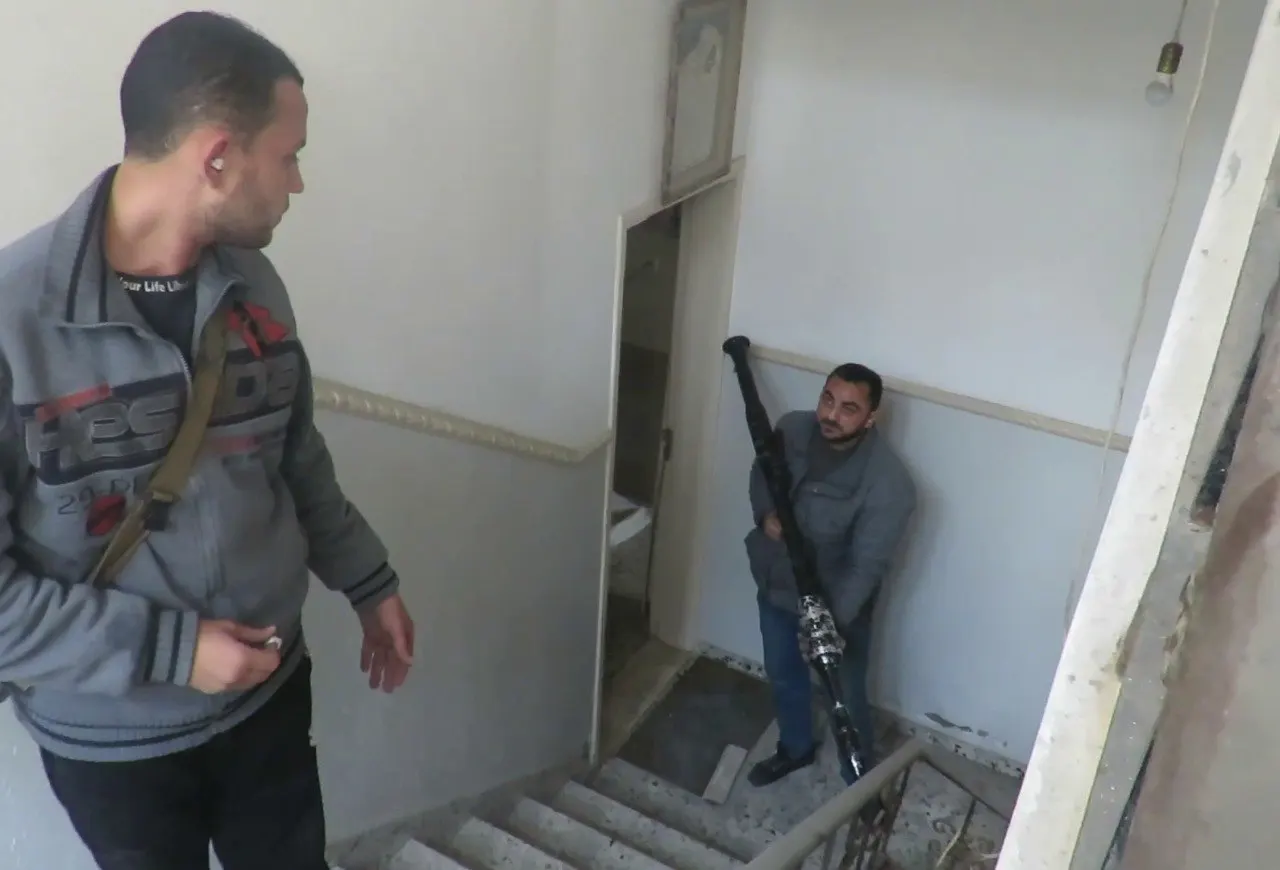
The interviewees say Hamas terrorists took off uniforms and combat vests and moved between buildings dressed as civilians; one account has a terrorist dressed as a hostage. Think about what that does to a soldier who has seconds to decide. They say it blurred who was armed and shaped the IDF’s strict rules of engagement. They describe weapons found inside homes, a kindergarten yard, mosques, schools and a hospital, and hostages held inside civilian homes. They say Hamas took over aid convoys and kept part of the aid. The film says the photos, footage and documents it shows were cleared for publication. Its argument, as contemporaneous coverage describes it, is that every claim about civilian casualties has to be read against three facts of the battlefield: Hamas’s use of civilian areas, the operational limits created by hostages, and the security risks of moving humanitarian aid.
The record outside the film
You do not have to take the film’s word for it. Check it against sources that do not depend on it. Customary international humanitarian law, as restated in Additional Protocol I to the Geneva Conventions, forbids using the presence of civilians to shield military objectives from attack. The U.S. Department of Defense Law of War Manual, as cited in later legal analysis, holds that the party which employs human shields assumes responsibility for injury to those civilians.
Hamas’s method in this war, documented outside the film, has been to embed terrorists, command infrastructure and weapons in civilian areas, including hospitals, and to fire from civilian buildings. Hamas denies it. The evidence does not. The same pattern runs through earlier rounds: a 2021 Foundation for Defense of Democracies memo records Hamas rocket sites and tunnels next to schools, a hospital and a kindergarten. In the current war, FDD reported an IDF find of a large weapons cache near a school and hospital in northern Gaza, and later a tunnel near a school and a rocket launcher near a kindergarten. The Jewish Virtual Library records that the number of people taken into Gaza on 7 October 2023 was revised to 251. FDD reporting on the June 2024 Nuseirat rescue stated that three hostages had been held in a family home in Nuseirat, which the IDF called further evidence of the deliberate use of civilian homes to hold captives. The Washington Institute has separately described Hamas terrorists in wartime discarding uniforms and moving in civilian clothing, forcing soldiers to decide, under fire, who is armed.
So the film’s account of hostages held in homes and of how Hamas handled aid is not a new invention. It is a commander’s-eye view of a method Hamas has used for years: hide among civilians, then present every strike as proof of Israeli criminality.
There is no moral equivalence between a democratic army that publishes its targeting rules and a terrorist organization that abducts civilians and stores weapons under hospitals. International law does not forbid striking a military objective that Hamas has placed inside a civilian building. It forbids Hamas from putting it there. Civilian harm in Gaza is real. The Hamas-run Health Ministry’s figures and Israeli estimates of terrorists killed remain contested, and the film does not claim to settle them. What it shows is who collapsed the line between terrorist and civilian, and why.
The title, the embassies and the criticism
The shared name is deliberate. Coverage of the release has called The Real Story a copycat, and has reported that Israel’s embassies in the United States and the United Kingdom promoted it as “setting the record straight.” CNN, in a round-up of festival documentaries, noted that Jonathan Glazer was an executive producer of the Venice film. Is a lookalike title a fair counter or a cheap trick? Decide for yourself. But you cannot fairly treat one film’s unverified testimony as the last word on a war while dismissing the other’s officers, footage and documents unseen. Both films choose their speakers. Ours asks the people who say they approved fire to walk you through the approval chain.
What this site does not publish
Unit numbers, exact locations, operational methods and the names of hostages that are not already public stay off this site.
Watch, then judge
An accusation is not evidence until someone can check it. Watch the officers make their case, check the footage and documents, then judge. The film is public and free, with English subtitles and captions in 46 languages. Watch it in the official player and send it to one person abroad who has only heard the other version. Other posts on this site take you through the fighting, the hostages held in homes, and Hamas and the aid.
Sources
- Middle East Eye, Israeli embassies in UK, US promote copycat NAZA middleeasteye.net
- The Free Press, Hold Your Applause for the New Gaza Documentary thefp.com
- New York Times, Israel Is Going to War Against a Documentary nytimes.com
- New York Times, There Is a Word So Powerful It Need Be Spoken Only Once nytimes.com
- CNN, Welcome to ‘Doctober’: 12 documentaries that have the world buzzing cnn.com
- FDD, Hold Hamas Accountable for Human-Shields Use (2021) fdd.org
- FDD, The Dangerous Failure to Hold Hamas Accountable for Using Human Shields fdd.org
- FDD, Hamas Tunnel Found Near School, Rocket Launcher Near Kindergarten fdd.org
- FDD, Gantz resigns from Israeli war cabinet following rescue of four hostages in Gaza raid fdd.org
- Jewish Virtual Library, The Israel-Hamas War: The Hostages jewishvirtuallibrary.org
- AJC, Setting the Record Straight About Hamas’ Use of Gaza’s Hospitals ajc.org
- Washington Institute, Six Ways Hamas Could Limit Civilian Casualties in Gaza washingtoninstitute.org