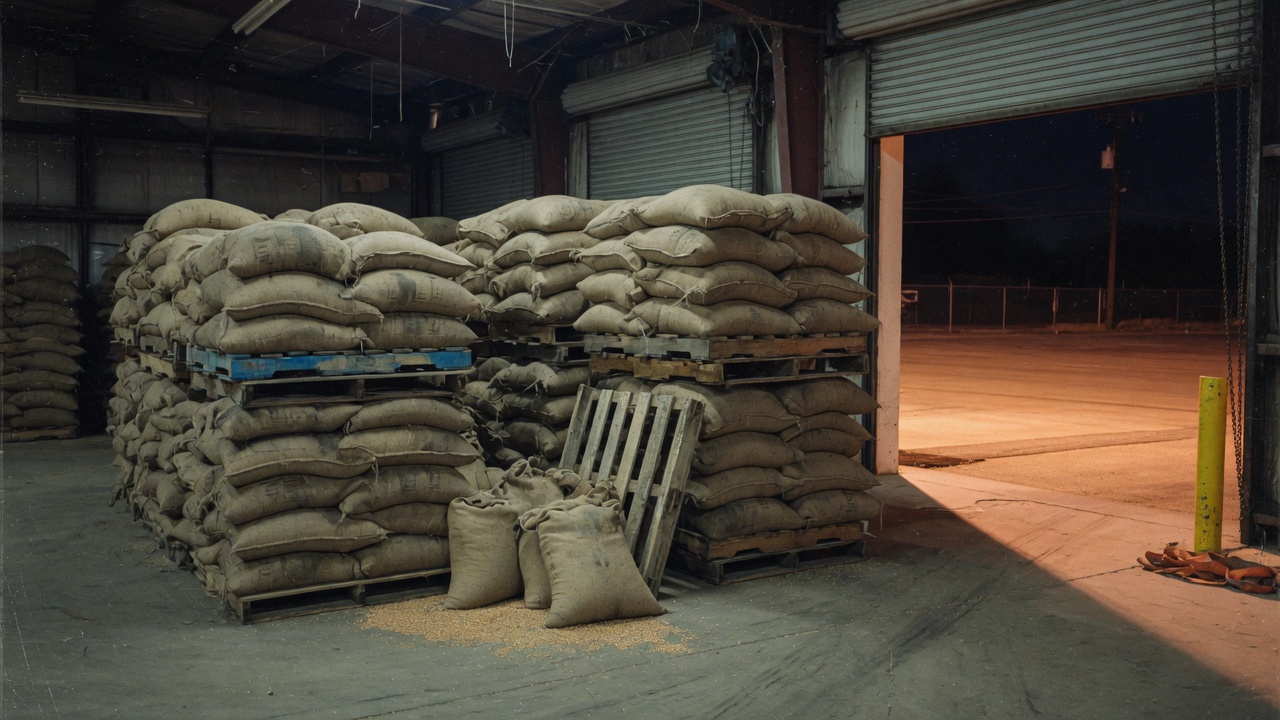
Israeli documentary · 2026-09-20
The famine allegation in Gaza
Israel says it facilitated large aid volumes, and later nutrition monitoring showed child malnutrition readings below wartime peaks after ceasefire aid. The IDF says Hamas has taken aid. Naza: The Real Story addresses the famine allegation.
"Famine" is a technical term. The dispute over whether it applies to Gaza turns on what the evidence showed and on who was responsible for the conditions. This post sets out what published sources say, attributed to each, and draws no conclusion.
What the IPC said
The Integrated Food Security Phase Classification (IPC) is a UN-associated system that sorts food crises into phases. Phase 5 is famine, and it has fixed thresholds for food shortage, child malnutrition and deaths. In 2024 IPC analyses used famine language for parts of Gaza. In June 2024 the UN-backed Famine Review Committee said the available evidence did not indicate that famine was then occurring. Later nutrition monitoring showed child malnutrition falling from wartime peaks after more aid entered.
Figures from COGAT
COGAT is the Israeli body that coordinates aid into Gaza. It reports that by 15 October 2024 a total of 1,081,294 tons of aid had entered on 54,786 trucks, including 837,440 tons of food. After the October 2025 ceasefire it reported more than 1.7 million tons of food, and a fall in food prices of about 72 percent between September 2025 and May 2026. These are Israeli figures and they measure supply entering Gaza. They do not measure how much food reached households.
Disputed points
Israeli officials say Hamas took aid from convoys. They point to IDF footage of armed men taking trucks, and to a 2009 episode in which UNRWA froze imports after gunmen seized blankets and food. They say inspections screen dual-use goods, and that rocket fire at the Kerem Shalom crossing closed it on some days. Critics, including some humanitarian organizations, say that inspections, delays and the fighting limited how much food and other supplies reached people. Some governments and organizations have accused Israel of using hunger as a method of war. Israel rejects that accusation.
Where the sources differ
The IPC, the Review Committee, COGAT, UN agencies and Israeli and international critics use different data and definitions, and access for independent measurement in a war zone was limited. Readers can compare the sources directly, including the public COGAT data at gaza-aid-data.gov.il.
Naza: The Real Story is a 2026 Israeli documentary in which IDF commanders and intelligence officers describe their work on the delivery of humanitarian aid during the war. Their statements are their own account and are presented as such.
Sources
More from the film
-

From the film · 2026-09-25
IDF fire rules near hospitals in Gaza: what an IDF commander says
-

From the film · 2026-09-25
Medicine for hostages in Gaza: what the film presents
-
From the film · 2026-09-25
A man and a toddler in a school shelter: an account from the film
-
From the film · 2026-09-25
Weapons in Gaza homes: a reserve commander’s account in the film