








































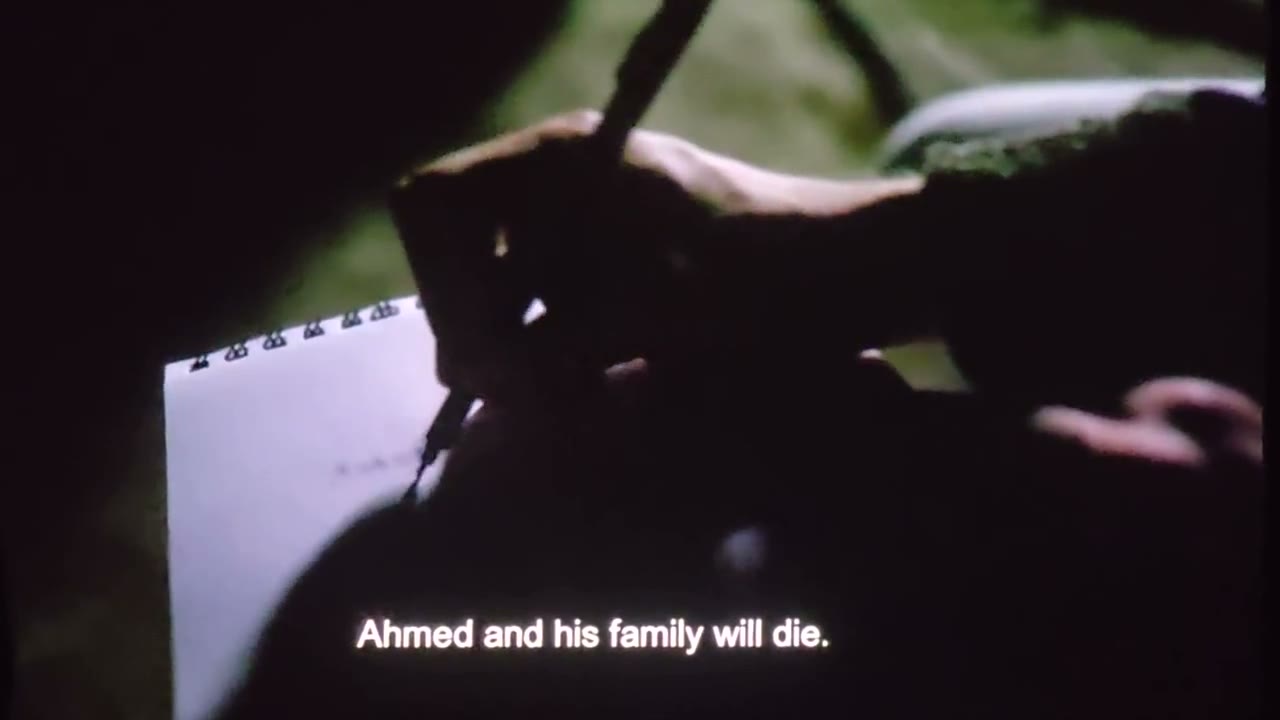
Frame from NAZA (2026), English subtitle as screened
NAZA wins a Critics Choice award. Here is what it gets wrong
NAZA won Best Political Documentary at the 2026 Critics Choice Documentary Awards. What its subtitles change, what the IDF said, what critics found.
Key takeaways
- NAZA won Best Political Documentary at the 11th Critics Choice Documentary Awards in New York on 8 November 2026 (Critics Choice Association).
- A soldier's hedged “approval of, like, 500 for a single person” becomes “approval once to kill 500 for one human target” in the English subtitle (The Times of Israel).
- The IDF called the 500-civilian claim “completely false” and said the film relies on anonymous testimonies that cannot be verified (IDF Spokesperson's Unit).
- Journalists who examined the film found no names, units or dates that would let anyone check its claims (Raviv Drucker, The Atlantic).
The award
On Sunday 8 November 2026, NAZA won Best Political Documentary at the 11th annual Critics Choice Documentary Awards, held at the Edison Ballroom in New York, according to the Critics Choice Association's list of winners. The film, by Yuval Abraham and Rachel Szor and released with The Guardian, was also nominated for Best Documentary Feature, which went to You Can See Everything. In September, NAZA won the Special Jury Prize at the Venice Film Festival.
An award judges a film as a film. It does not check what the film claims. Here is what the record shows about NAZA's claims.
The subtitles say more than the soldiers did
Most of NAZA's audience does not speak Hebrew. They know what the soldiers said only from the English subtitles, and in several places the subtitles say more than the soldier did.
One soldier says, in Hebrew: "There was an approval of, like, 500 for a single person." The English subtitle reads: "There was approval once to kill 500 for one human target." The hedge is gone and the killing is added, and this is the claim the film put in its trailer.
Pointing to an apartment on his screen, another soldier names who lives there: "Ahmed and his whole family." The subtitle reads: "Ahmed and his family will die."
A third speaks of a feeling: "The feeling is that this is what needs to be done." On screen it becomes: "The sense in Israeli society is that that's what we should do." One man's feeling is handed to a whole country. The spoken words and the subtitles are set side by side, with the clips, on our Debunking NAZA page.
The IDF: "completely false"
The IDF Spokesperson's Unit answered the 500 claim directly: "This is completely false. The IDF has never planned, approved, or carried out a strike in Gaza in which 500 civilians or anything near that number were anticipated to be killed."
It said the film "relies on anonymous testimonies from individuals whose identity cannot be verified, including whether they served in the IDF or not, in what capacity, or whether they were involved in the matters about which the allegations are being made." The filmmakers had not put their allegations to the IDF before release, and did not give it a copy of the film when asked. In a ten-page written response on 1 October 2026, the IDF said the film "presents a distorted, misleading, and disingenuous picture of the IDF's target planning and striking process." Every statement, and the IDF's answer to each of the film's claims, is in the IDF section.
What critics found
Several of the sharpest critics oppose Israel's government. Investigative journalist Raviv Drucker told Yuval Abraham: "As a journalist, I don't think I would have aired this. Because you bring no supporting evidence for the very, very grave things that they describe."
In The Atlantic, Gal Beckerman wrote: "None of the claims is corroborated—the lack of dates or names or much specific detail beyond what the interviewees recall leaves an unfortunate opening for critics." Of the one interviewee who calls it genocide, he wrote that he uses the word "only when prompted by one of the filmmakers, Yuval Abraham."
Officers who worked in the system explained what the numbers mean. "NAZA 20 was not an authorization to kill 20 people," wrote Lt. Col. (res.) Yair Miron of Military Intelligence. "It was a classification used to route a proposed strike through the appropriate review and approval process."
Omer Shem Tov, held hostage by Hamas for 505 days, wrote in The Wall Street Journal: "What brought this war to Gaza—Hamas's Oct. 7, 2023, massacre and hostage-taking—is largely outside the frame." The full set of findings, each linked to its source, is in the critics section.
The answer is the evidence
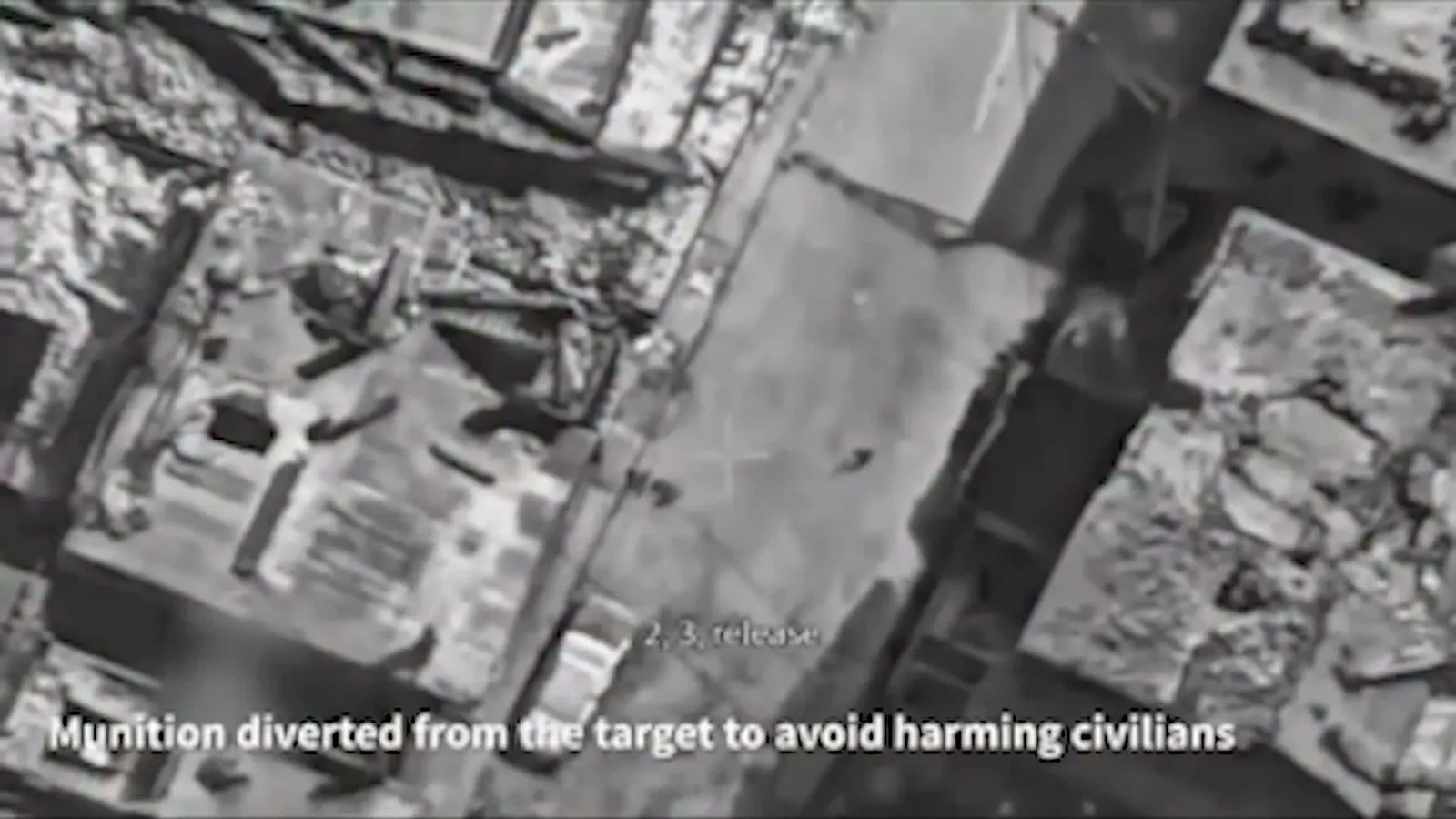
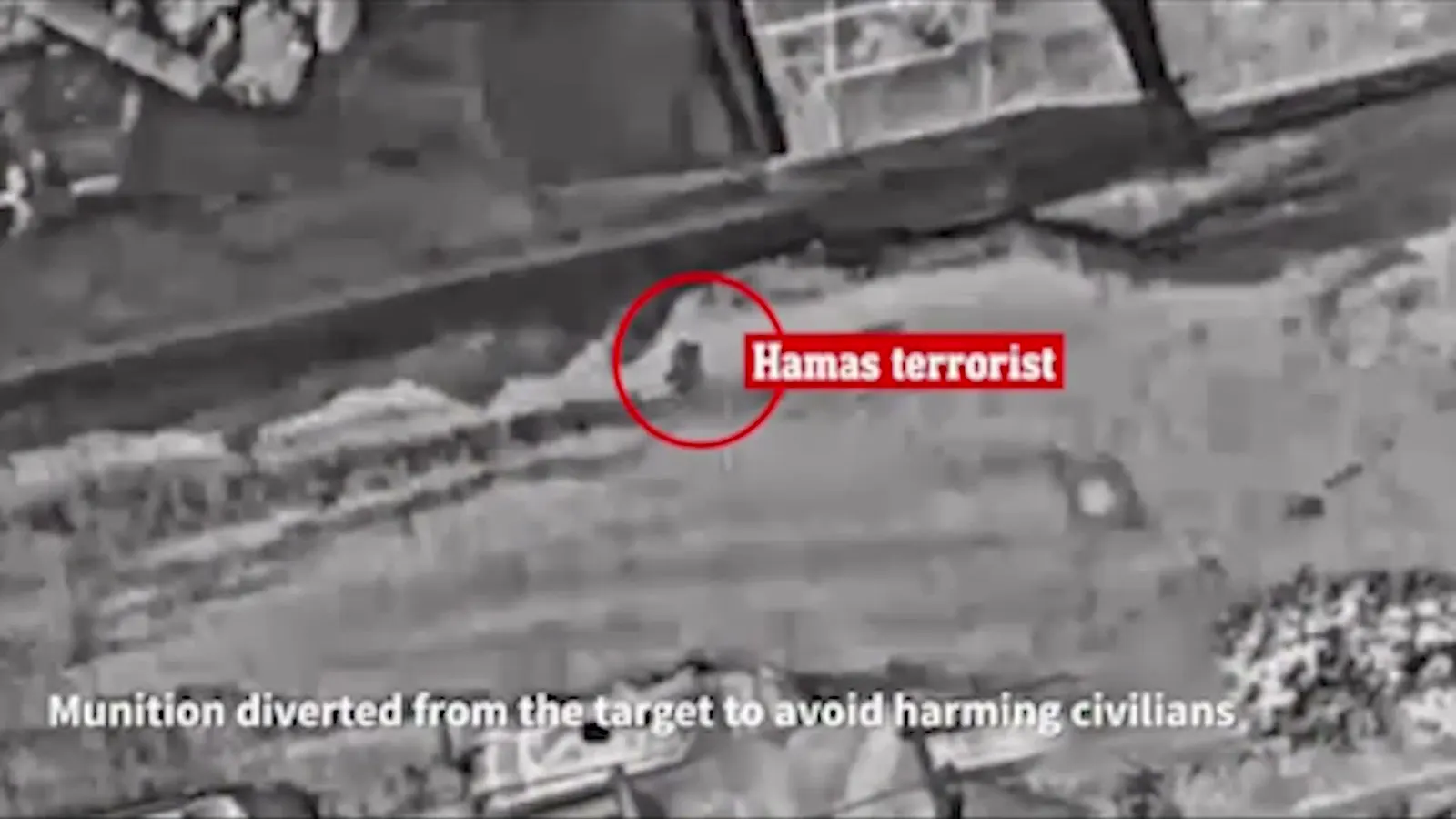
NAZA asks its audience to take anonymous voices on trust. Naza: The Real Story does the opposite. The soldiers who speak in it are identified by their wartime roles, and their testimony is shown alongside the footage: bodycam, drone and cockpit recordings, including strikes aborted because civilians were nearby. Watch it, and judge which film shows its evidence.
Sources
- Critics Choice Association, winners of the 11th annual Critics Choice Documentary Awards criticschoice.com
- TheWrap, Critics Choice Documentary Awards 2026 winners thewrap.com
- Deadline, 'You Can See Everything' sweeps top categories at Critics Choice Doc Awards deadline.com
- The National, NAZA wins Venice Special Jury Prize thenationalnews.com
- The Times of Israel, NAZA's claims about IDF conduct in Gaza are grave. So are the film's journalistic flaws timesofisrael.com
- Israel Defense Forces on X, first response to NAZA x.com
- Israel Defense Forces on X, the 500-civilian claim x.com
- IDF Spokesperson's Unit, IDF Response to the Film "NAZA" cdn-media.web-view.net
- Jewish News, New documentary about IDF strikes in Gaza causes anger in Israel jewishnews.co.uk
- The Atlantic, Gal Beckerman, The Missed Opportunity of NAZA theatlantic.com
- Yair Miron, I Watched NAZA in Full. Here Are Eleven Ways It Misleads Viewers. yairmiron.com
- The Wall Street Journal, Omer Shem Tov, Hostages Like Me Were Also 'NAZA'—Collateral Damage wsj.com