




































Naza The Real Story
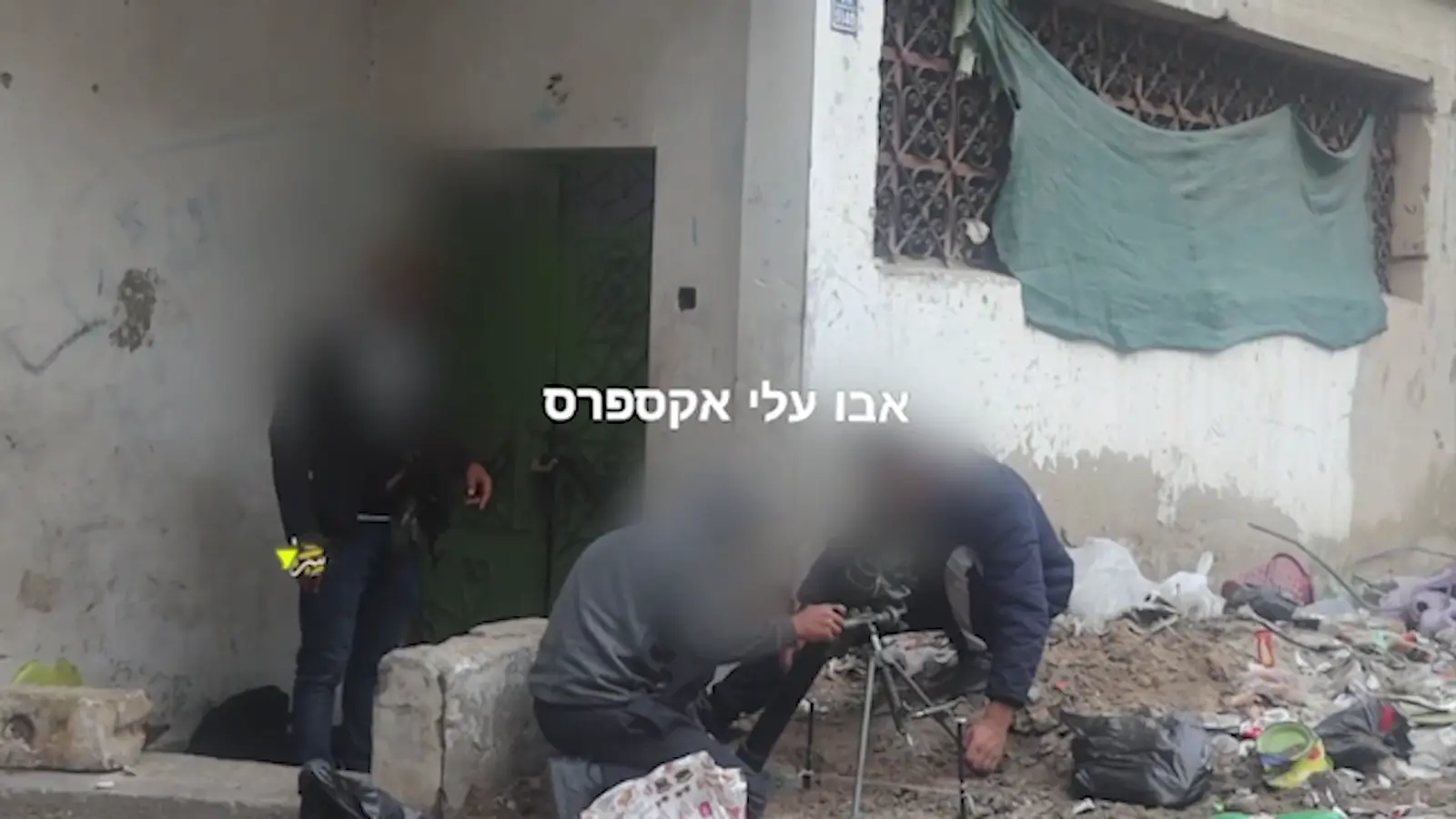
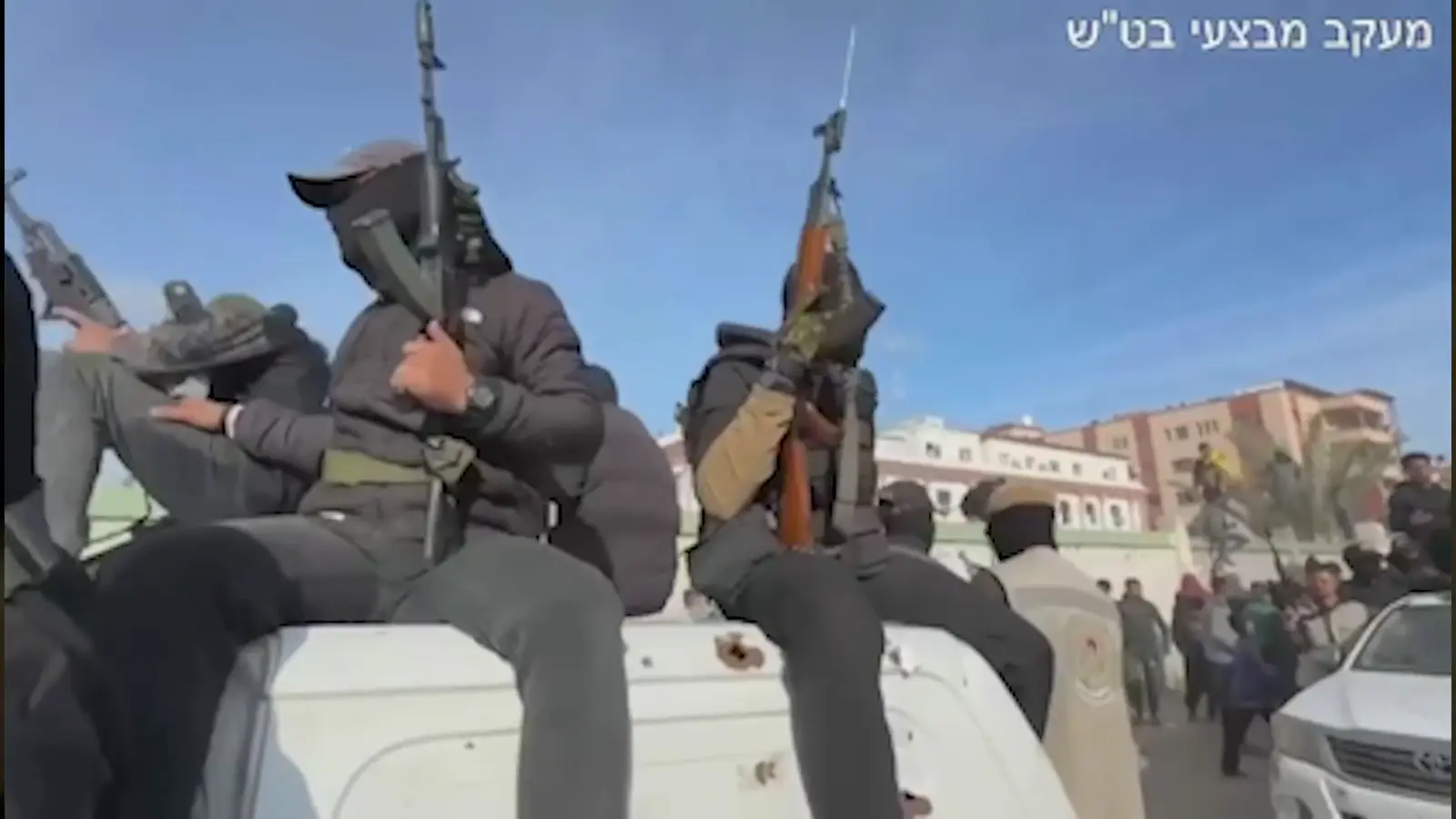
Filmed at night on Tel Aviv rooftops: IDF commanders who fought in Gaza show how the terrorist organization Hamas fought from among civilians.
44,420,405
Views
No script. No apologies. The commanders who were there.
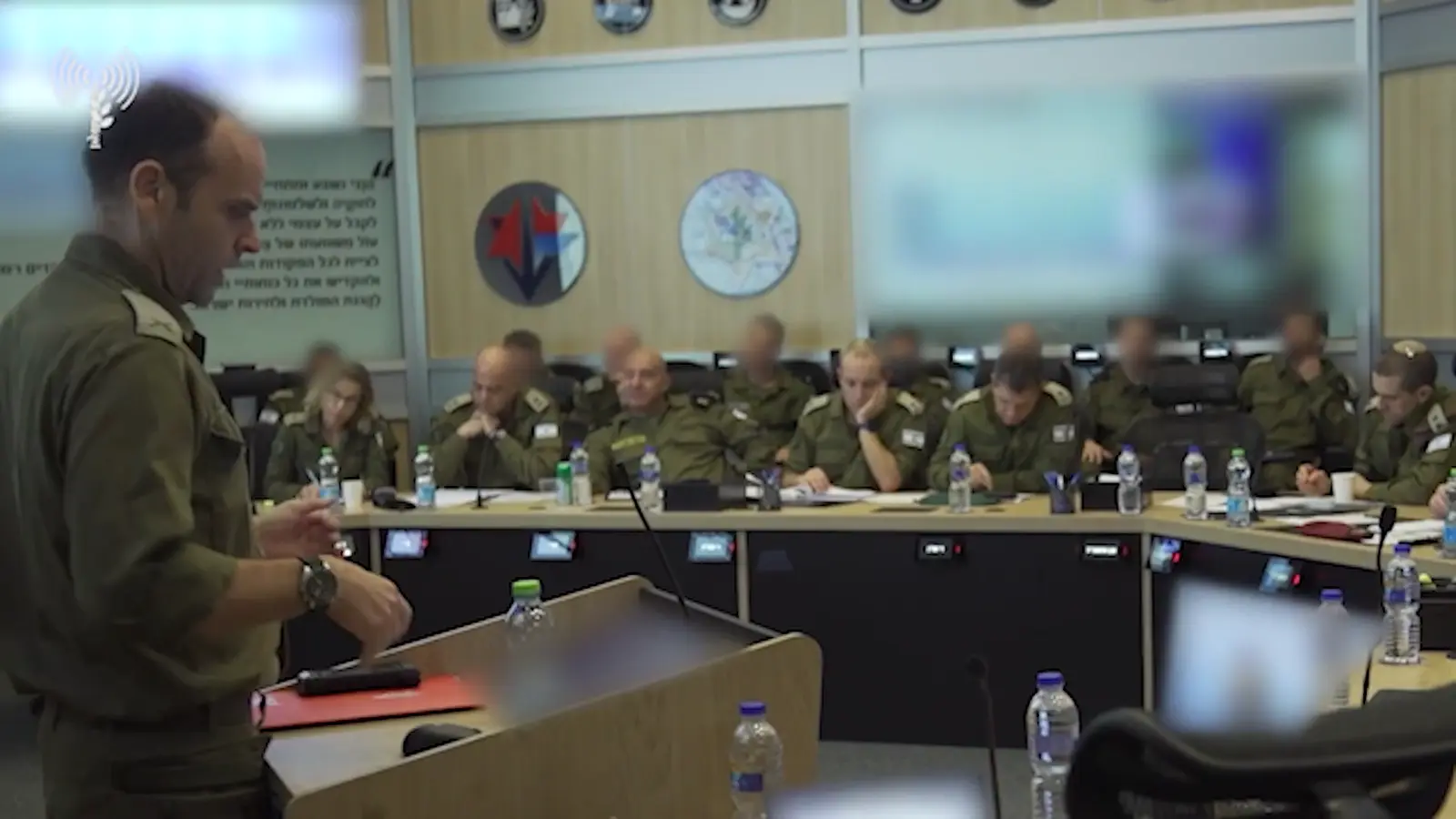
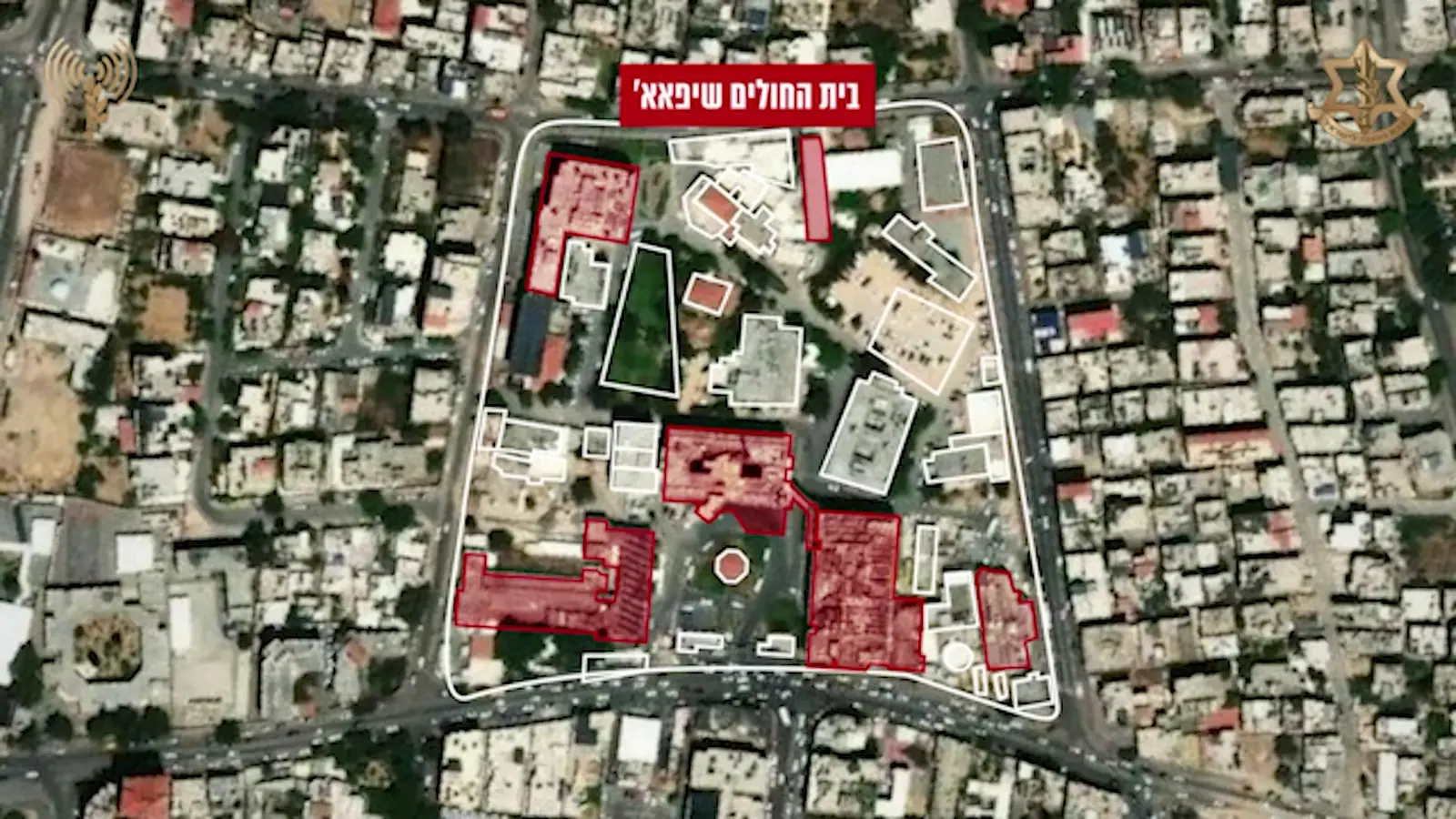
They are senior IDF commanders and intelligence officers who served in Gaza. On Tel Aviv rooftops at night, identified by role, they tell you what they faced: Hamas terrorists in civilian clothes, hostages held in homes, aid trucks, and the strict rules for opening fire. The footage and documents are on screen.
The burden of proof is on the accusers. This is the evidence, in the officers' own words. Watch it and judge for yourself.
What you'll hear in the film
Questions and answers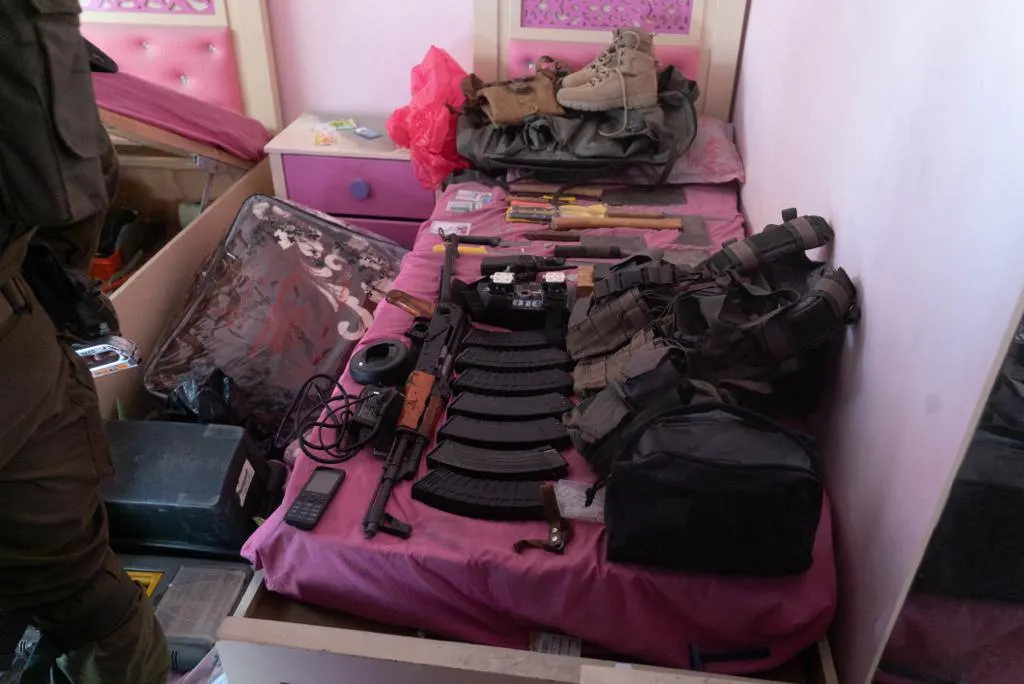
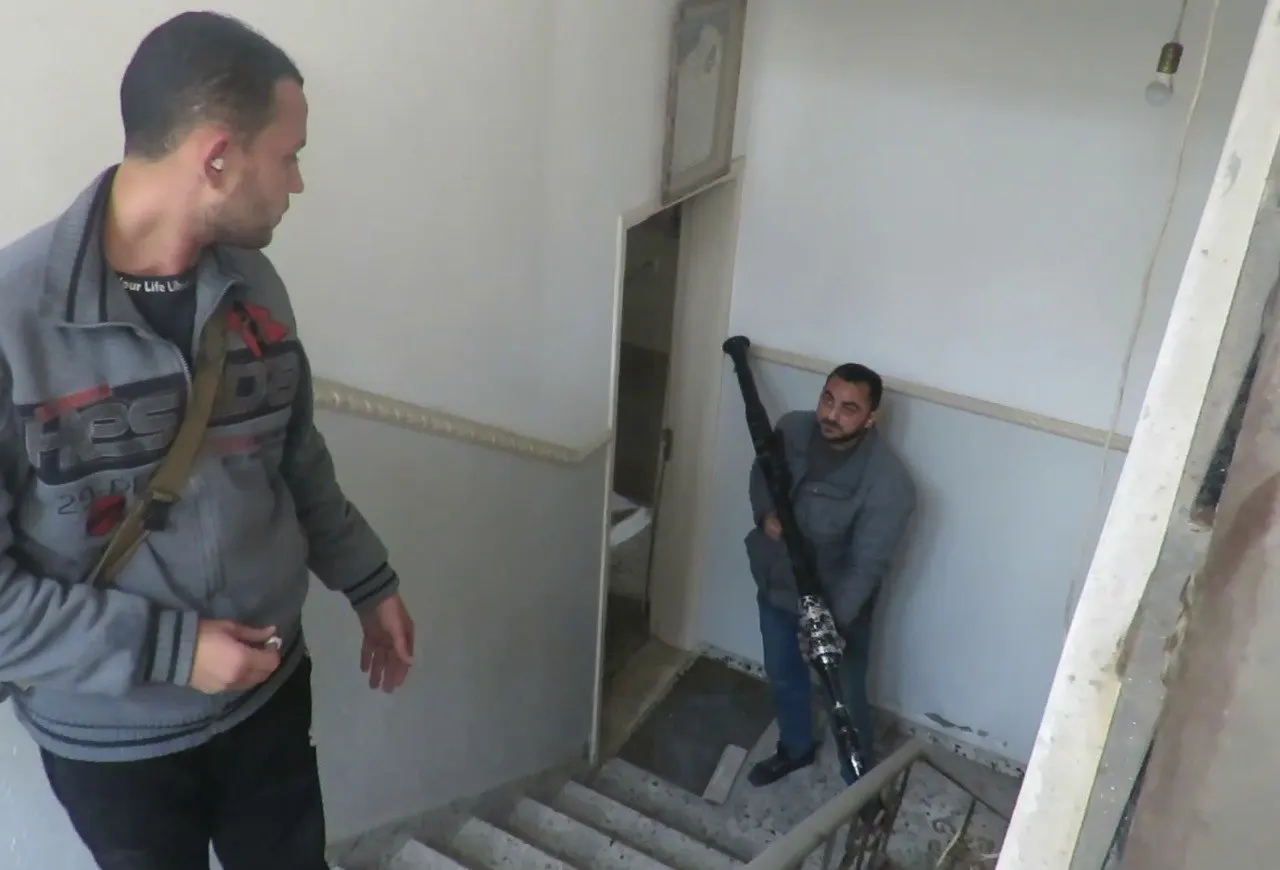
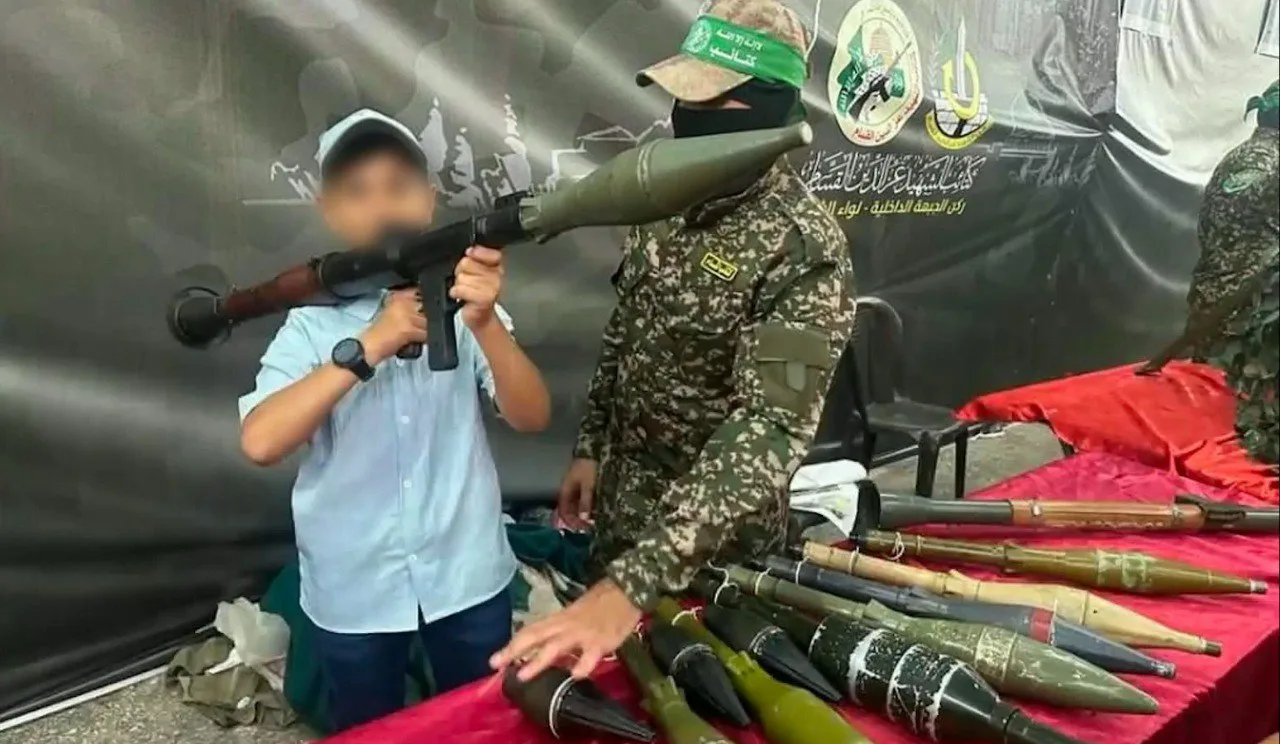

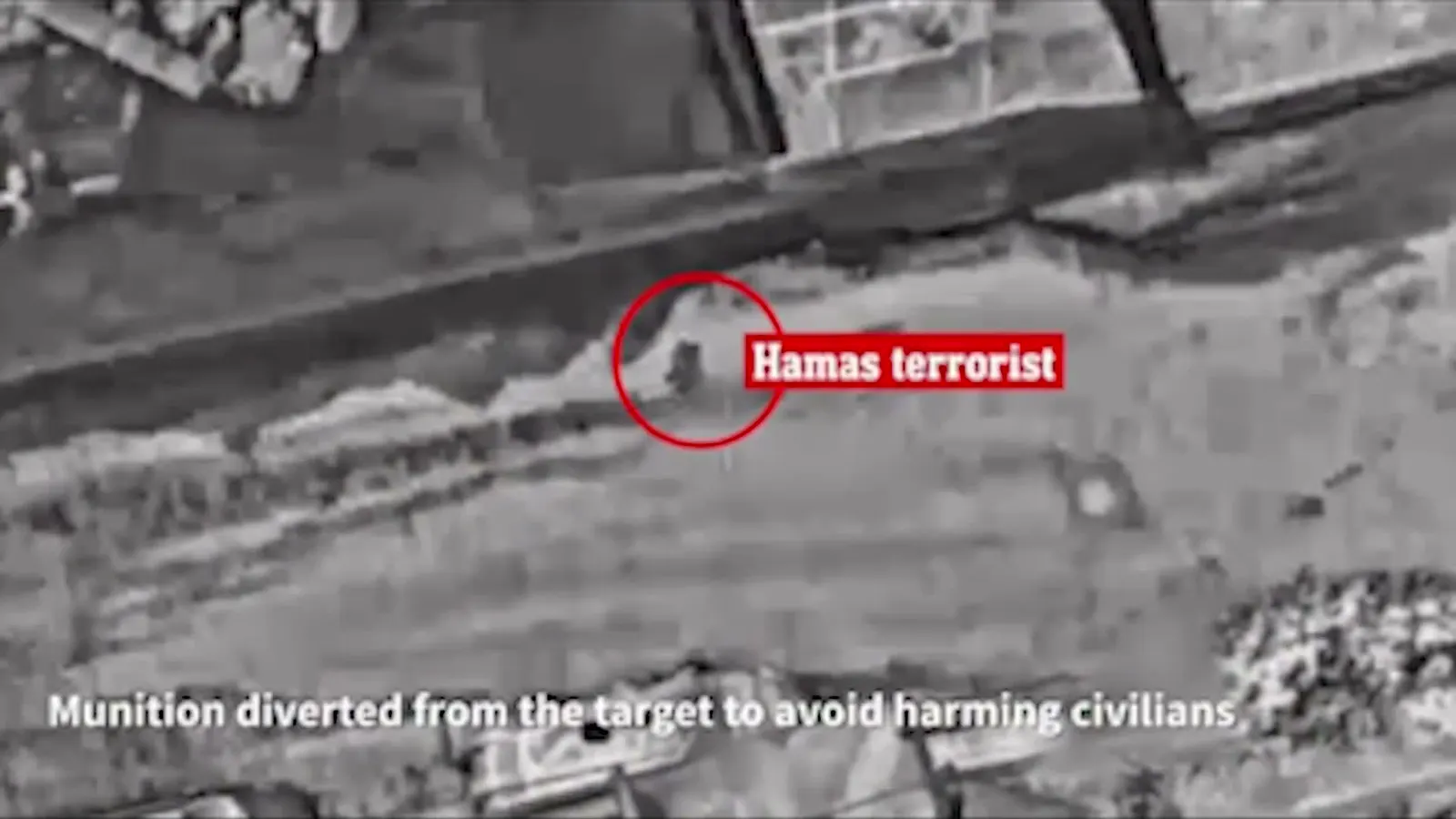
From the film
Watch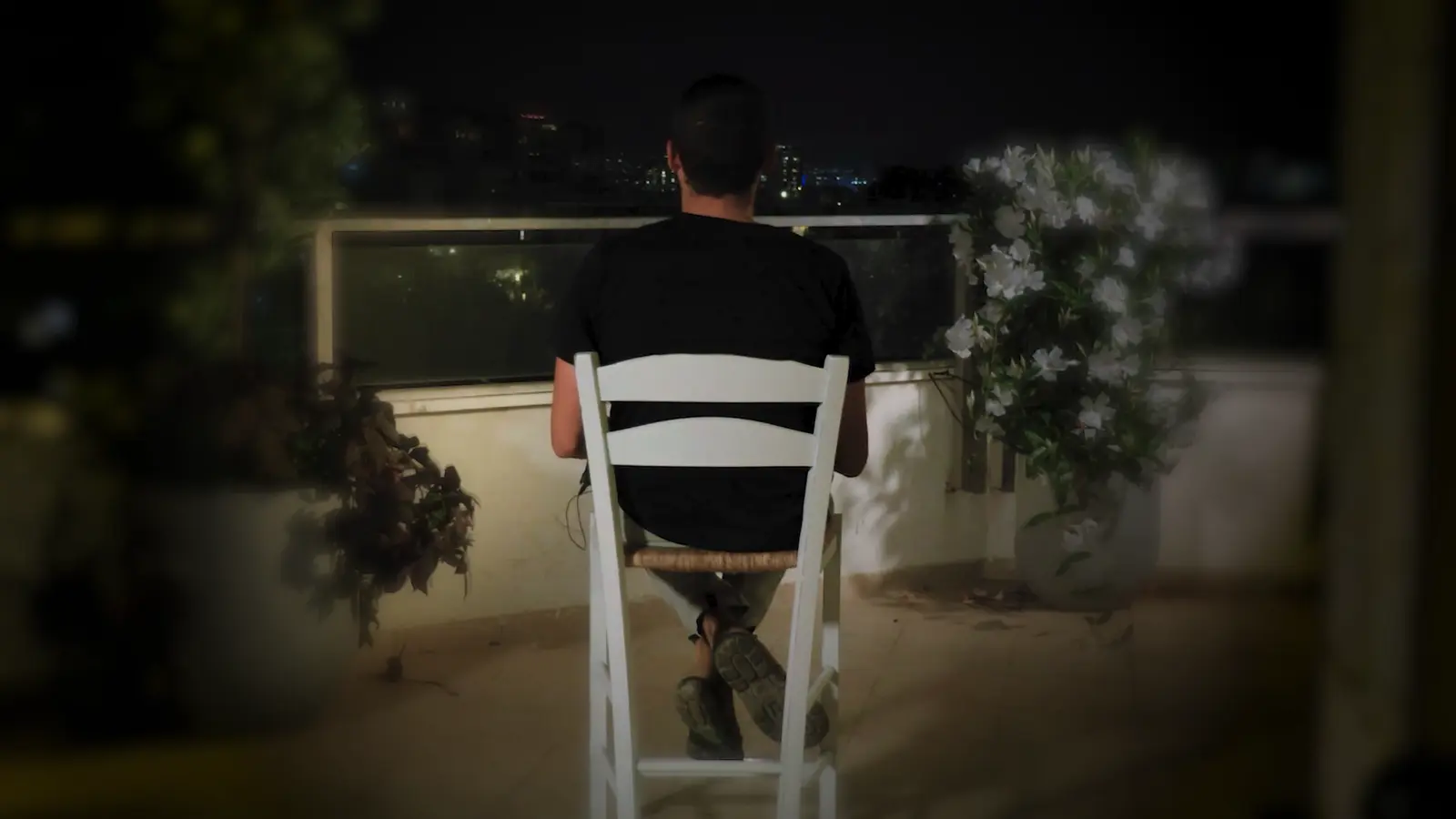
Meet the creators
About


Questions and answers
Questions and answersWhat is Naza: The Real Story?
A 49-minute Israeli documentary, free to watch on this site. Senior IDF reserve commanders and intelligence officers who served in Gaza explain how the war was fought and why, and the film puts photos, footage and documents on screen next to what they say. It is not an apology. It is the evidence.
Who made it, and who paid for it?
Three private citizens: Roi Danino, Ariel Averbuch and Hagay Gutman. They made it and paid for it themselves. No government, army or organisation funded it. Their backgrounds are on the About page.
Has the Israeli government supported, funded or facilitated the making of the film?
No. Three private individuals made Naza: The Real Story and paid for its production out of their own pockets. We received no government, military or other external funding or production support. Neither the Israeli government nor the IDF knew we were making the film until it was complete.
Our independence is clear. Meanwhile, reporting in The Jerusalem Post has raised questions about NAZA director Yuval Abraham's longstanding partnership with Ahmed Alnaouq and allegations concerning Alnaouq's links to Hamas. Questions about independence and affiliations deserve consistent scrutiny across both productions.
The Israeli Embassy in the United States shared the completed film on its own initiative, without our prior knowledge or coordination. We believe they did so because the film's strength lies in the truth it reveals through hard evidence, and we welcome individuals and institutions sharing our independent production so audiences can examine that evidence for themselves.
What was the IDF's role in making the film?
None.
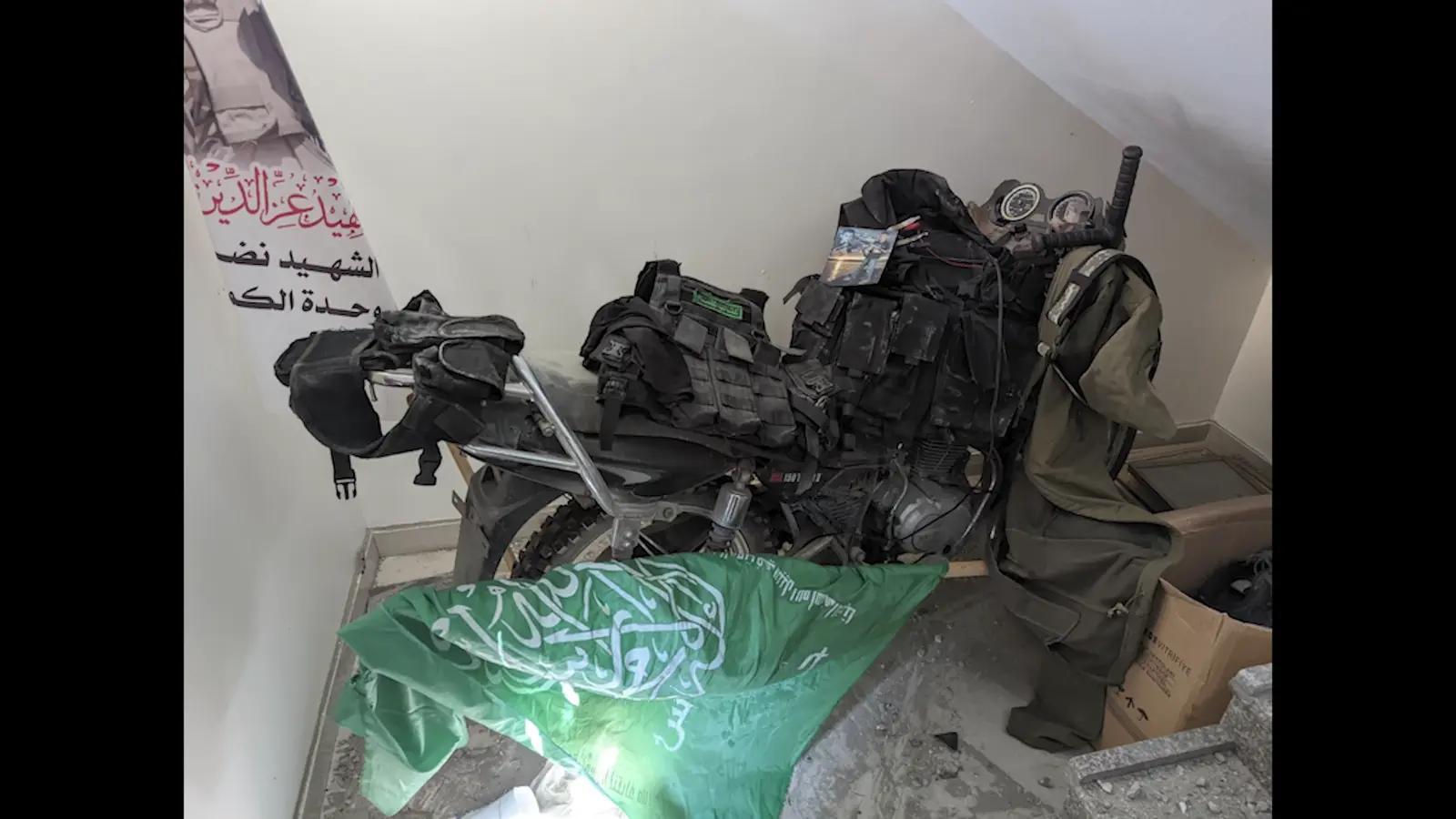
Visual evidence is central to the distinction between the two documentaries. We identify our interviewees' wartime roles and present their firsthand testimony alongside extensive visual documentation, including photographs, bodycam recordings, drone and aircraft footage, terrain analysis, and actual cockpit footage showing strikes being aborted because civilians were nearby. These materials give viewers concrete evidence to examine alongside the testimony.
The footage has been described as "declassified". That is not how we obtained it. We did not declassify footage or receive it through an IDF production arrangement. Some previously unpublished material was recorded by the soldiers providing testimony and supplied by them directly, independently of any institutional IDF participation.
A documentary's credibility rests on how convincingly it substantiates its claims. What did each witness personally see? What role and responsibility did they hold? Crucially, what supporting evidence, if there is any, is actually shown to the viewer, and what does it establish?
Protecting sources can be legitimate. But anonymity cannot substitute for evidence, and serious accusations require more than "take my word for it." We welcome scrutiny of our testimony and documentation. We expect the same standard to be applied to NAZA.
Is the Israeli government supporting the rollout or promotion beyond social media?
No. Beyond independent sharing on social media, we have received no Israeli government assistance with distribution or promotion.
Some have suggested that examining Hamas's conduct does not engage with the issues NAZA raises. We reject that. Hamas's conduct is indispensable to any serious examination of civilian casualties in Gaza. Any account that ignores Hamas's deliberate methods of placing civilians in the line of fire presents a distorted picture. Watch Naza: The Real Story to see Hamas's methods with your own eyes.
Our position is clear: Naza: The Real Story proves that the documented practices are not merely isolated incidents, but systematic methods of warfare that place civilians in the line of fire and enable Hamas to exploit their suffering and deaths for propaganda. The film presents firsthand accounts and visual evidence supporting that conclusion.
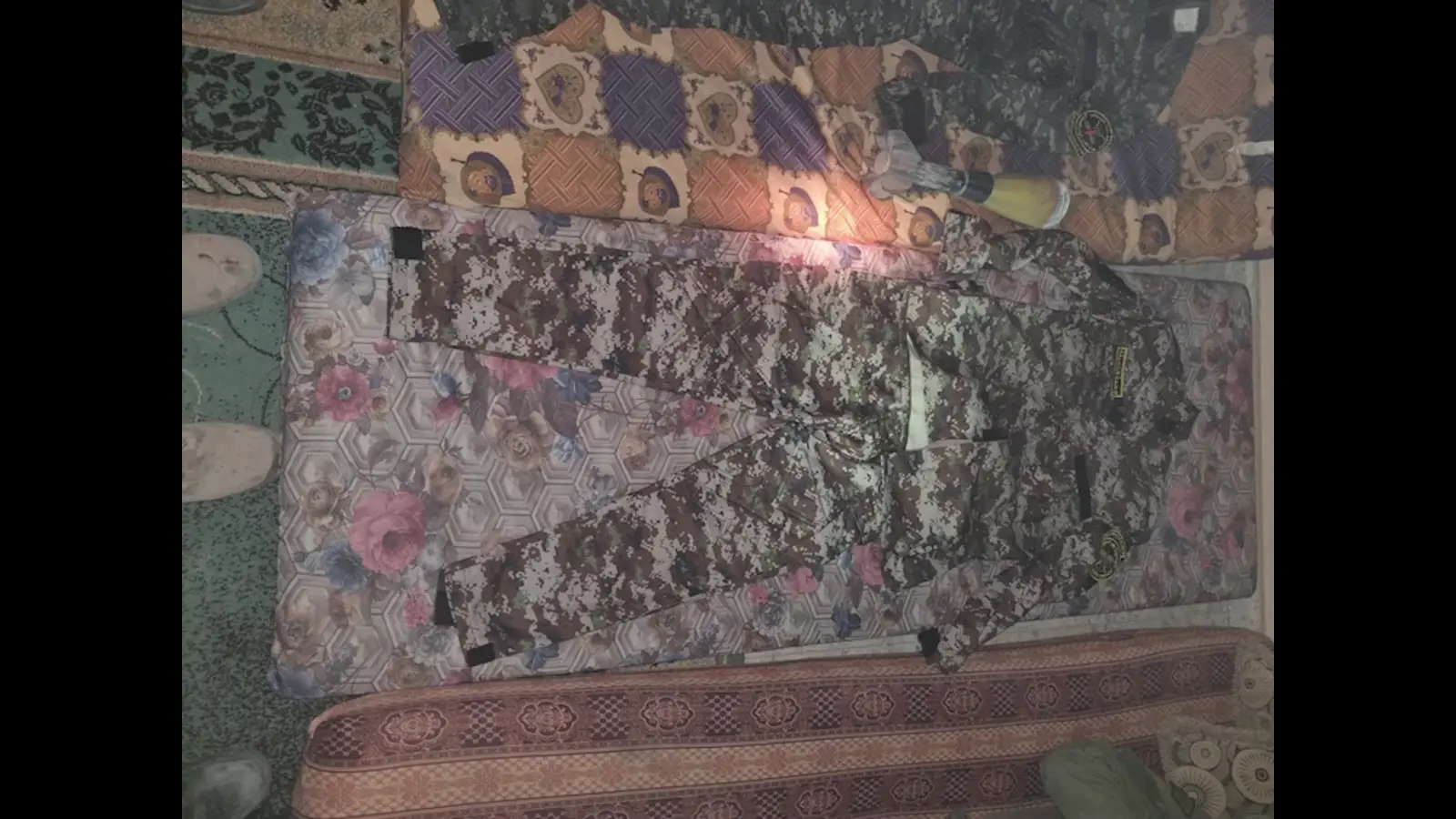
What do Hamas's priorities reveal when its terrorists discard their uniforms and deliberately embed themselves among civilians? Our film answers that question.
The IDF was not given an opportunity to address NAZA's specific allegations before its initial publication. The same basic standard of responsible journalism should apply to both films.
Watch both films, examine the visual evidence that one presents and the other lacks, and decide for yourself.
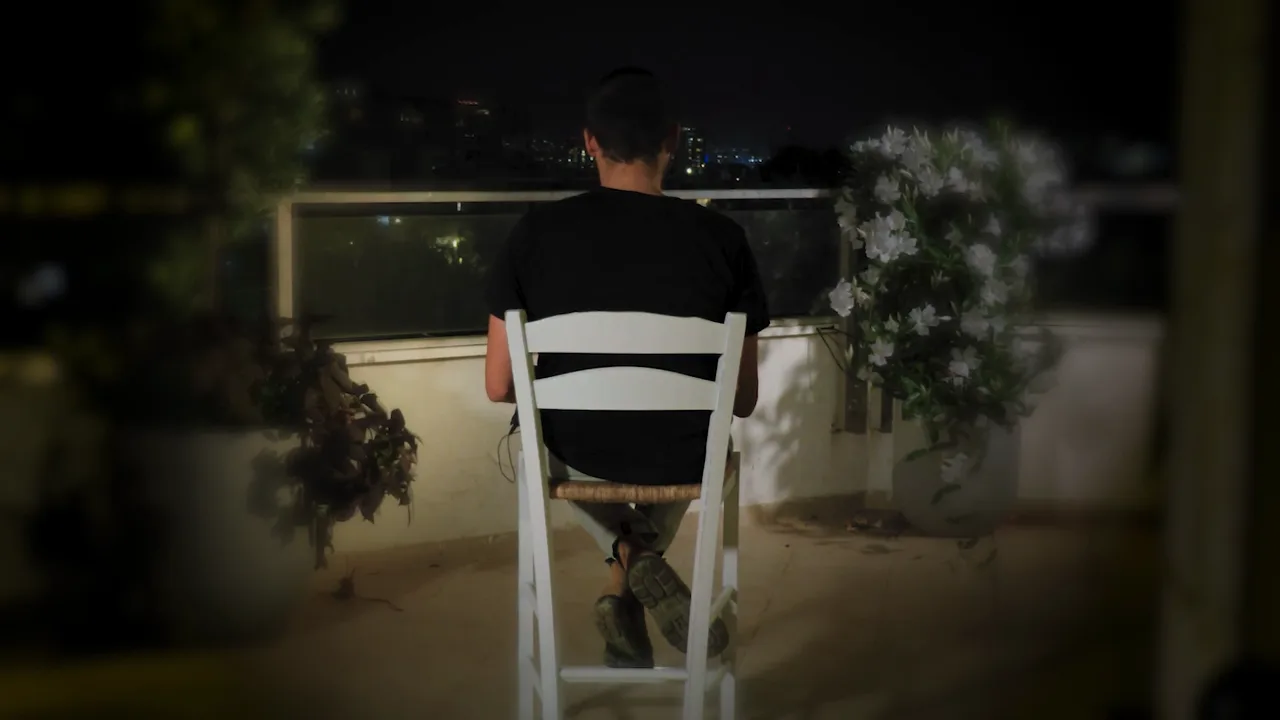
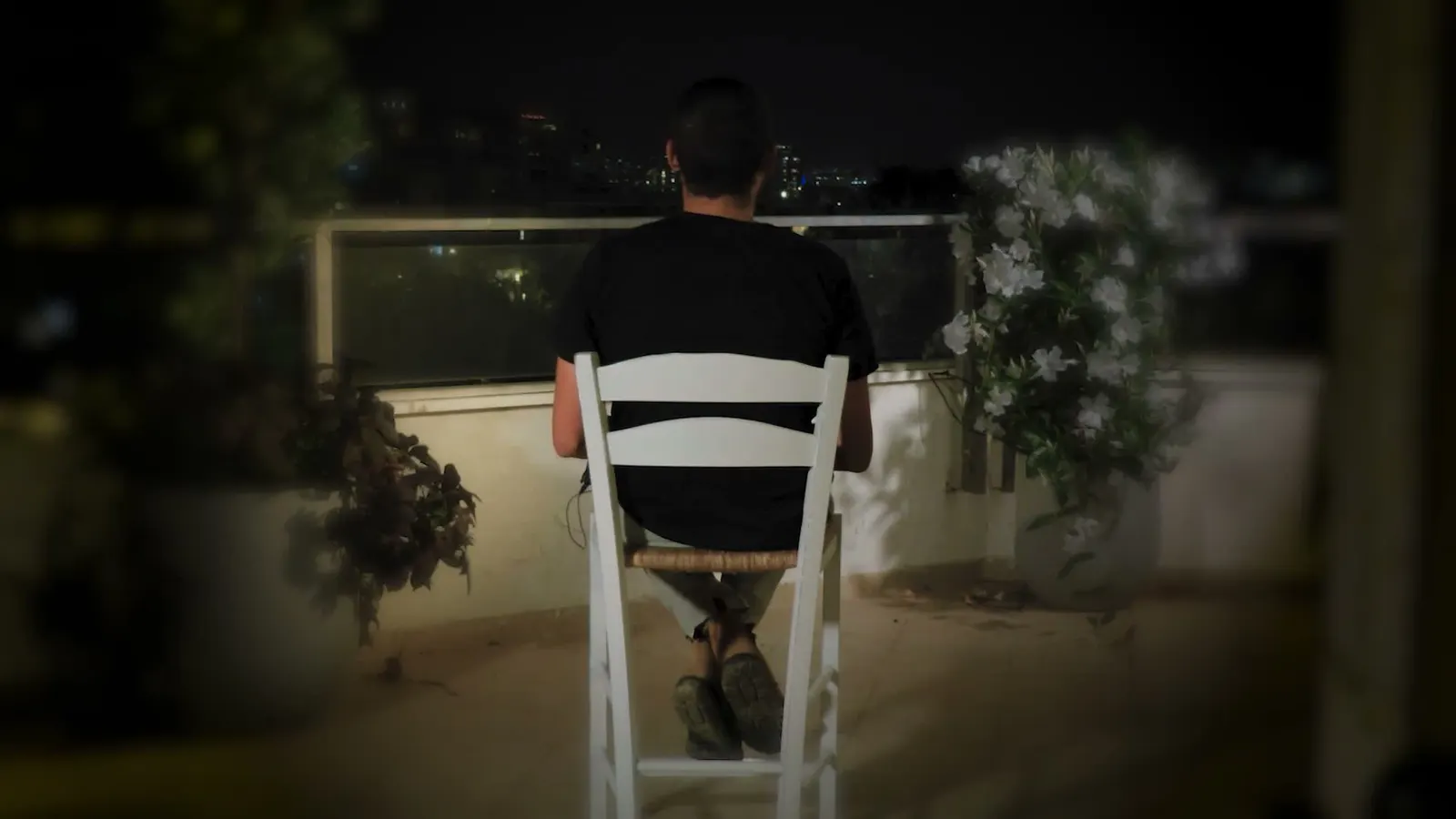
Why do the officers sit with their backs to the camera?
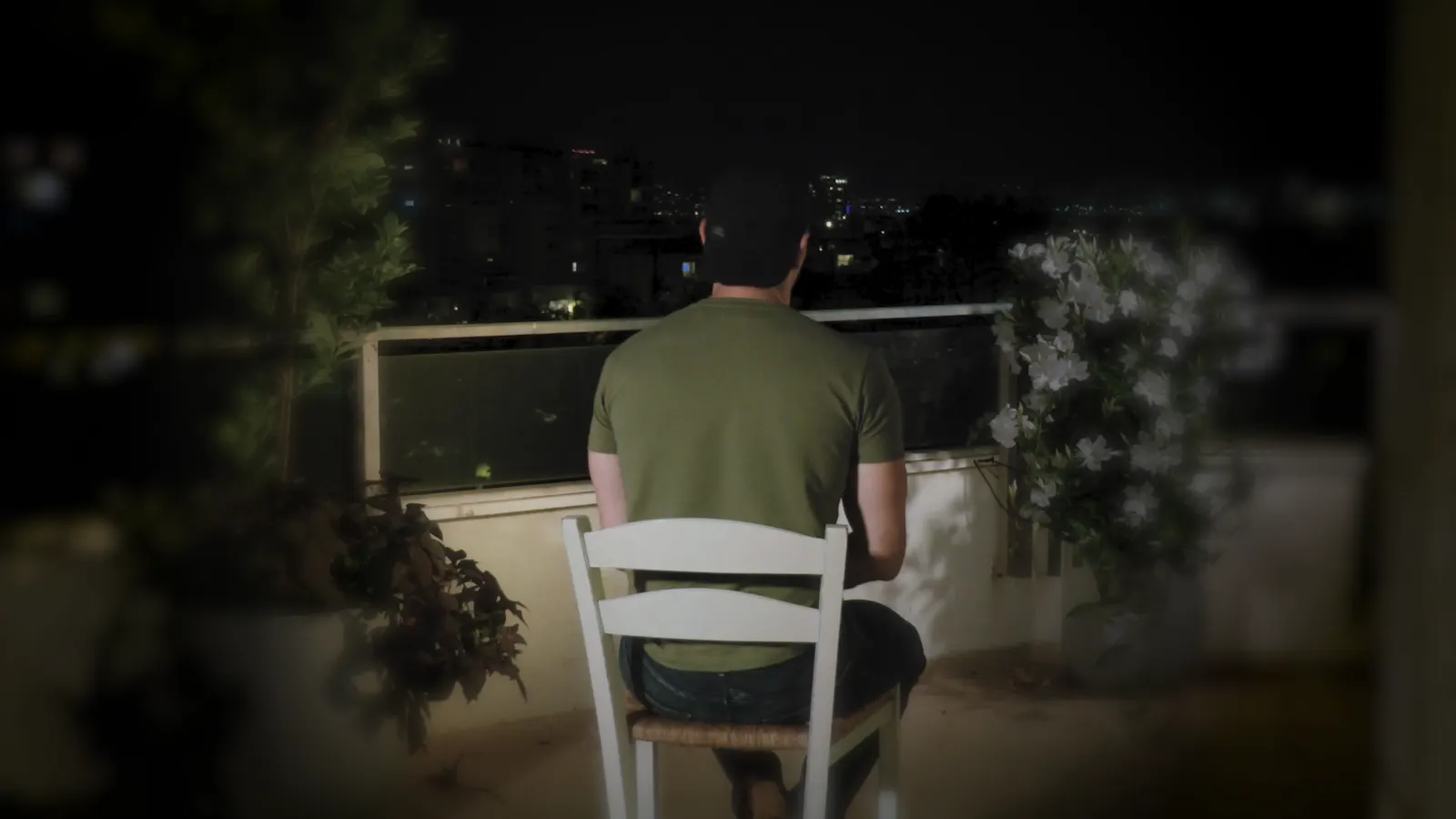
They are serving officers in intelligence and operational roles, so the film keeps their identities private. They sit with their backs to the camera, and the film names the role each one held. What you hear comes with what you see: the footage and documents are on screen.
- “NAZA: The Real Story”: A movie you should see FokusIsrael
- ‘NAZA: The Real Story’ Gains Momentum as Counter-Film Challenges Gaza Documentary Jewish Journal
- IDF Dismantles 'NAZA' Point by Point as Reservists Answer With 'The Real Story' Israel365 News
- ‘NAZA: The Real Story’ Debunks NAZA’s Allegations Via Interviews With IDF Combatants In Gaza VINnews
- Naza, la véritable histoire… enfin ! Sababa Médias
- Frente a 'NAZA', Israel premia un documental que defiende a su Ejército y expone el uso de escudos humanos de Hamás Libertad Digital
Blog
Blog-
Who paid for Naza: The Real Story? The makers answer
Was Naza: The Real Story funded or made with the IDF or the Israeli government? Co-creator Ariel Averbuch answers the questions journalists keep asking.
-
BDS and antisemitism: when the boycott lands on Jews
Criticize Israel all you like. When a boycott brands Jewish musicians, students and choirs complicit, it has crossed into antisemitism. Here is the record.
-
What BDS wants, in its founders’ own words
The 2005 BDS call and Omar Barghouti’s own words target Israel as a Jewish state, not a policy. That is why many governments call BDS discriminatory.