




































Naza The Real Story
Filmed at night on the rooftops of Tel Aviv, this Israeli documentary presents interviews about the Gaza war.
42,909,896
Views
Rooftops. Night. Commanders telling it as they lived it.
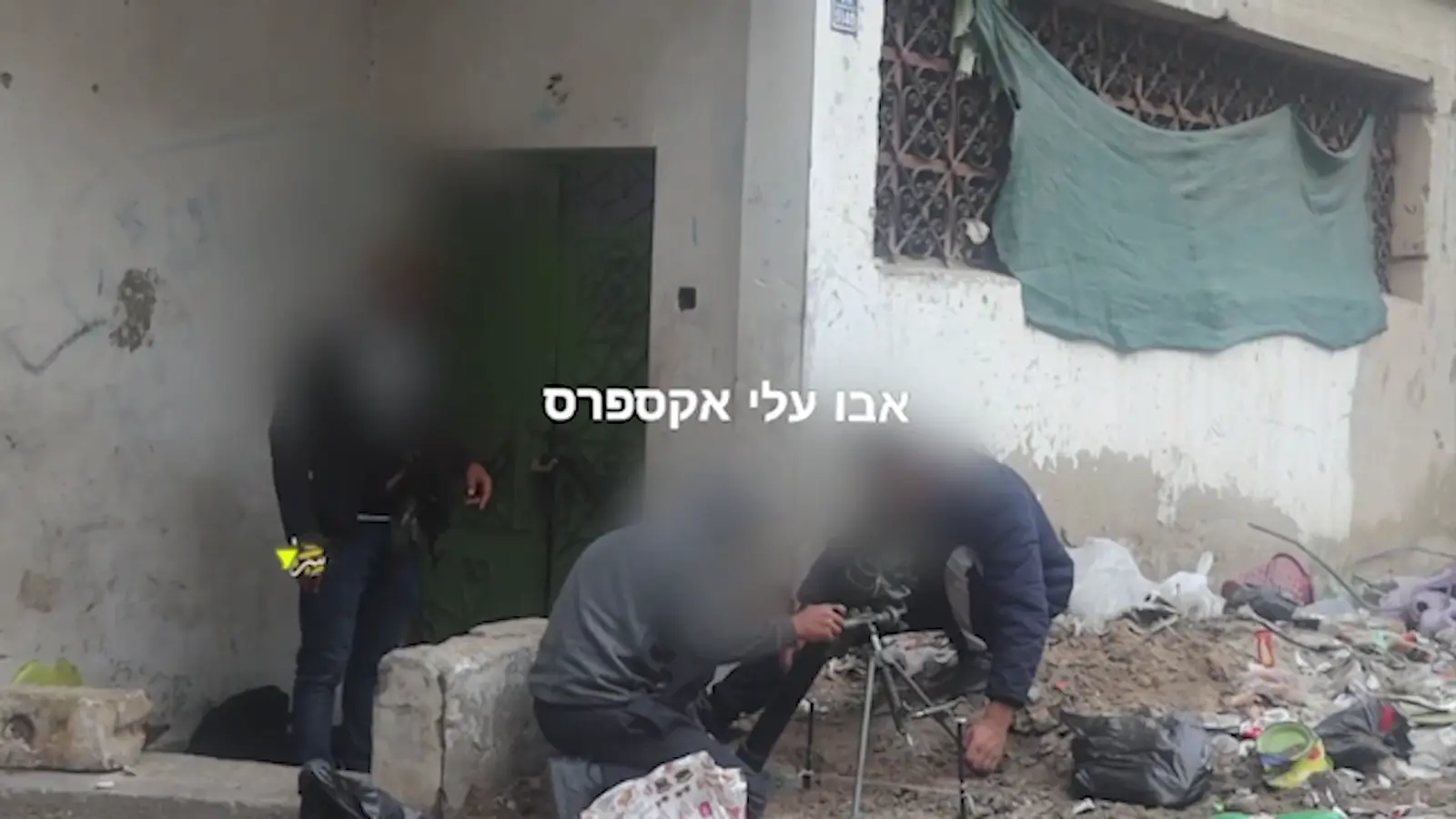
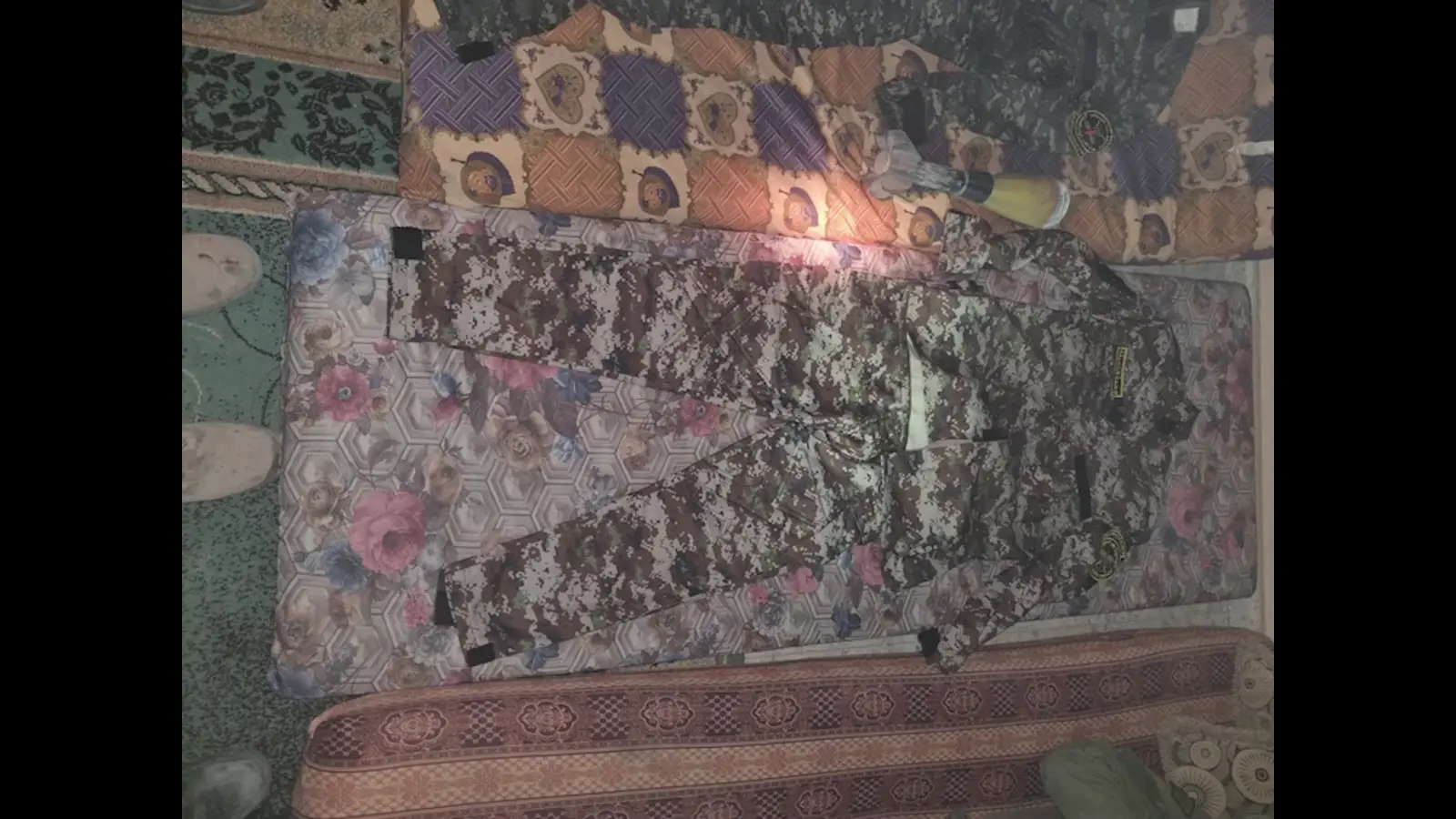
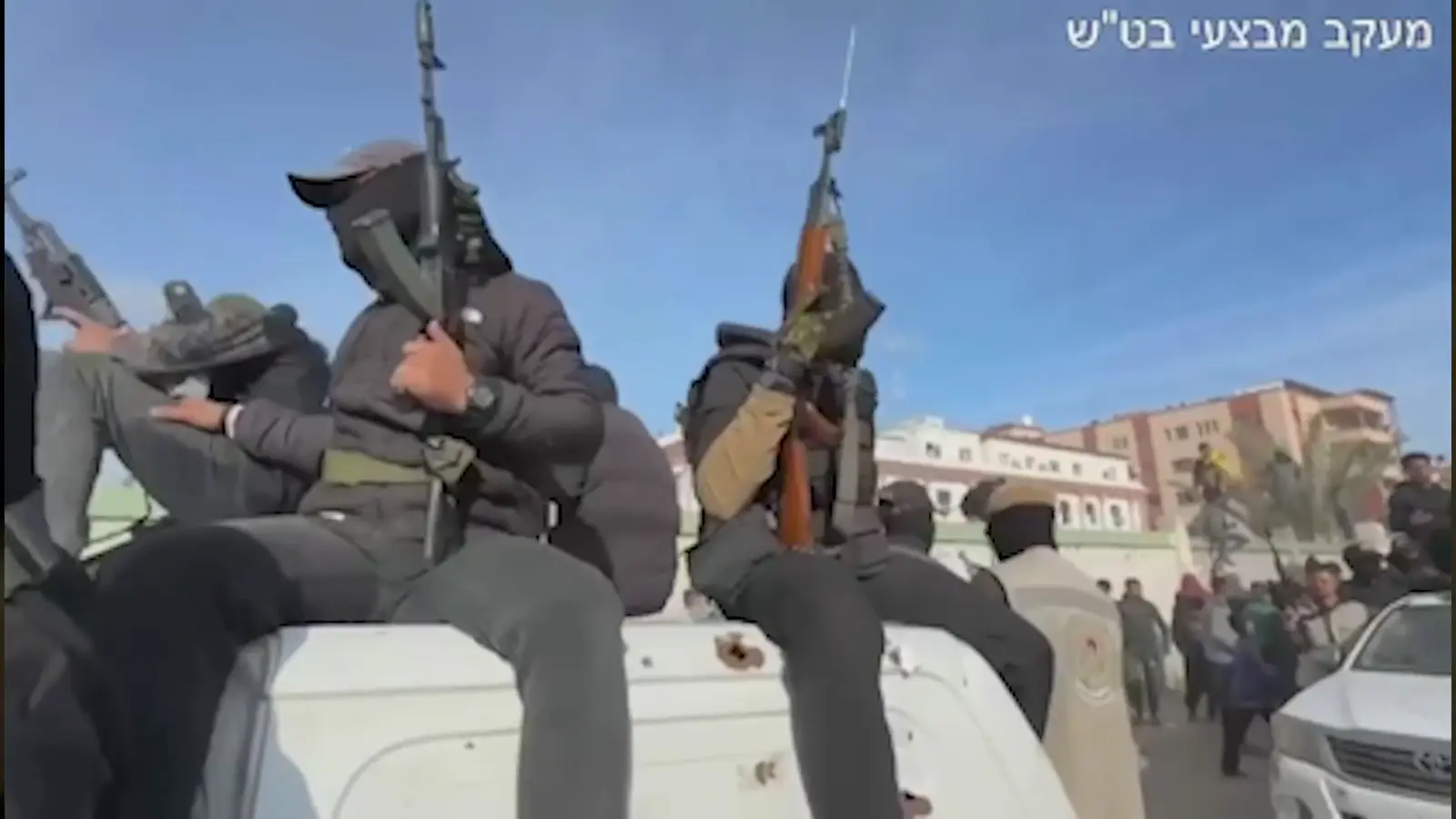
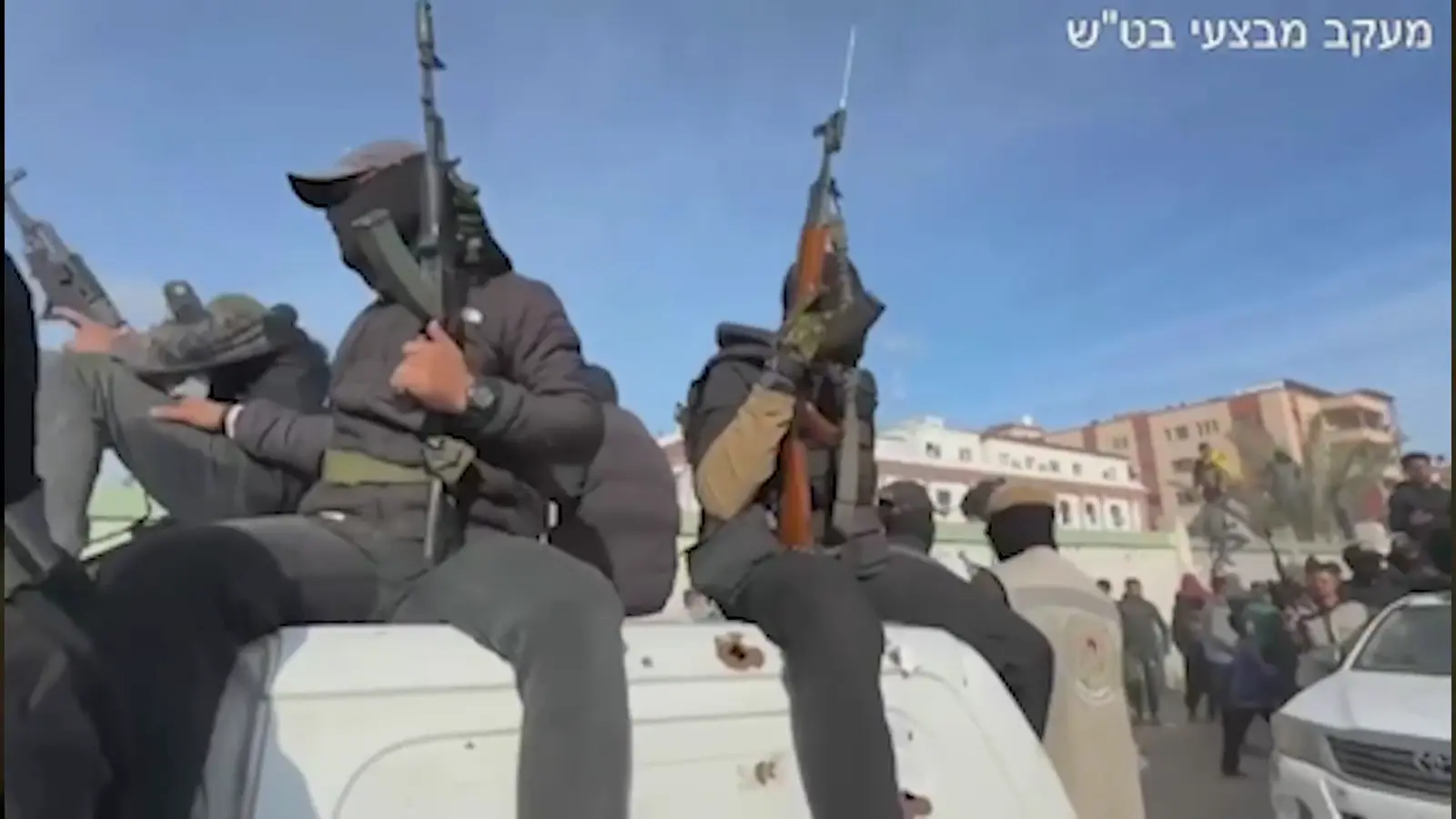
Senior IDF commanders and intelligence officers, the people who ran the operations, sit on Tel Aviv rooftops and describe the war in Gaza: Hamas terrorists in civilian clothes, hostages held in homes, aid trucks, and the rules for opening fire.
It is their account, in their own words. Watch it, then decide what you think.
What you'll hear in the film
Questions and answers
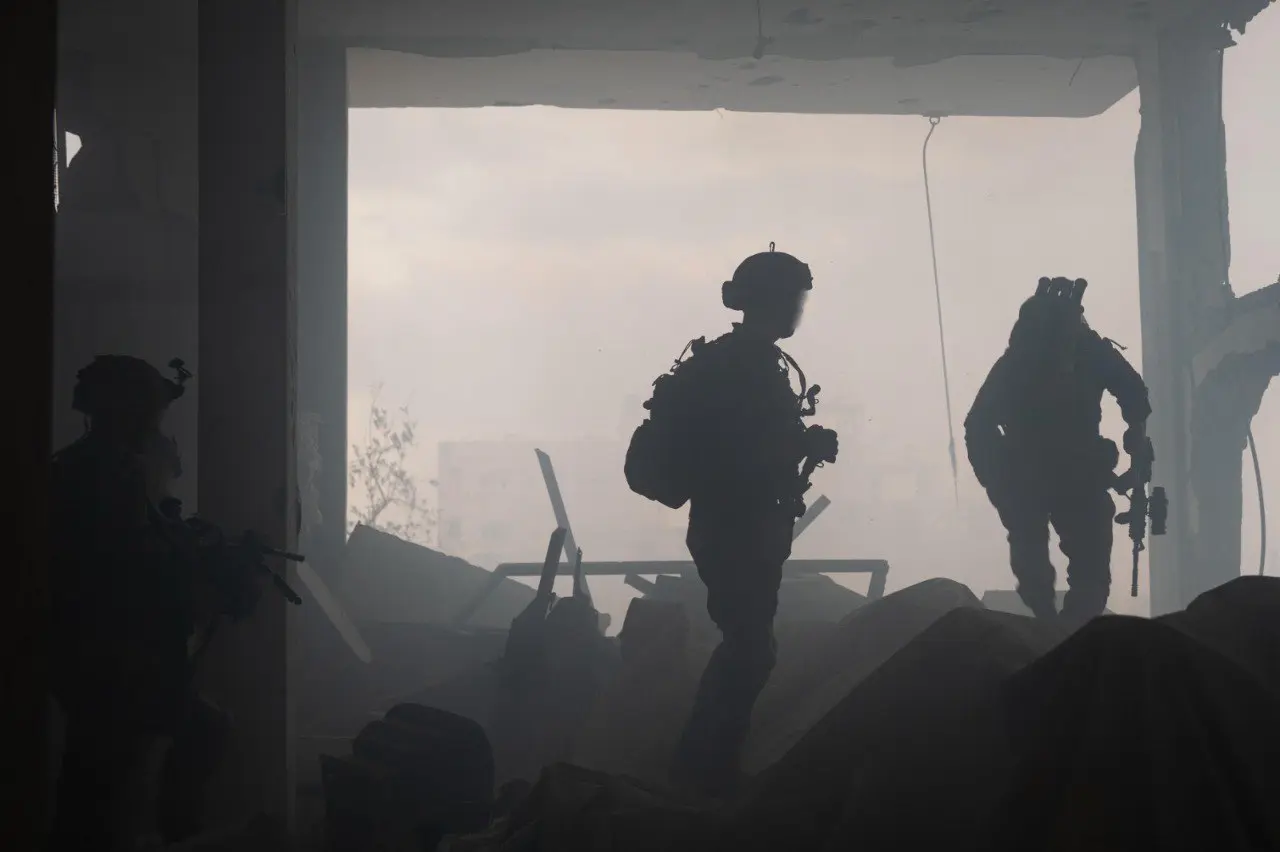
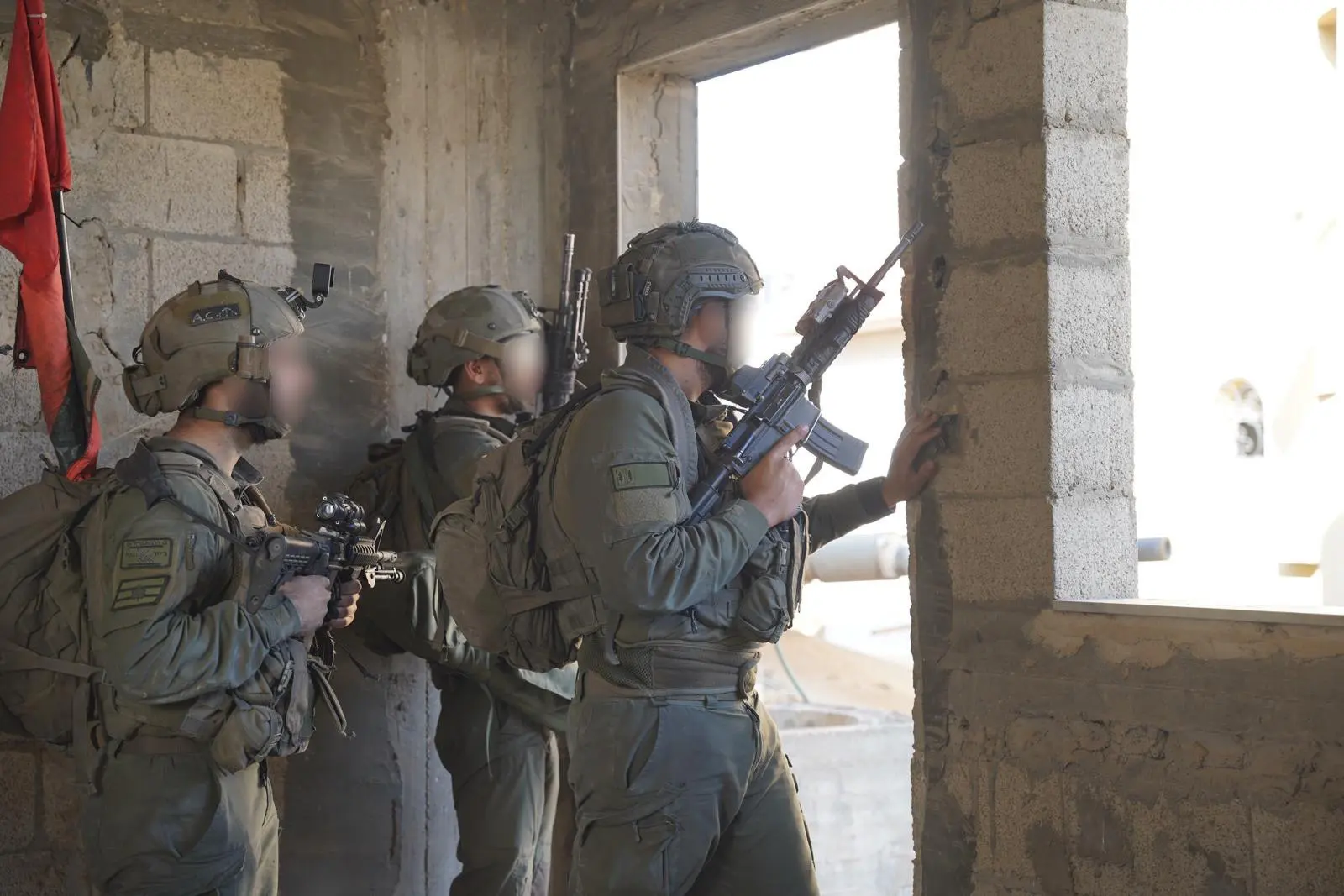
From the film
Watch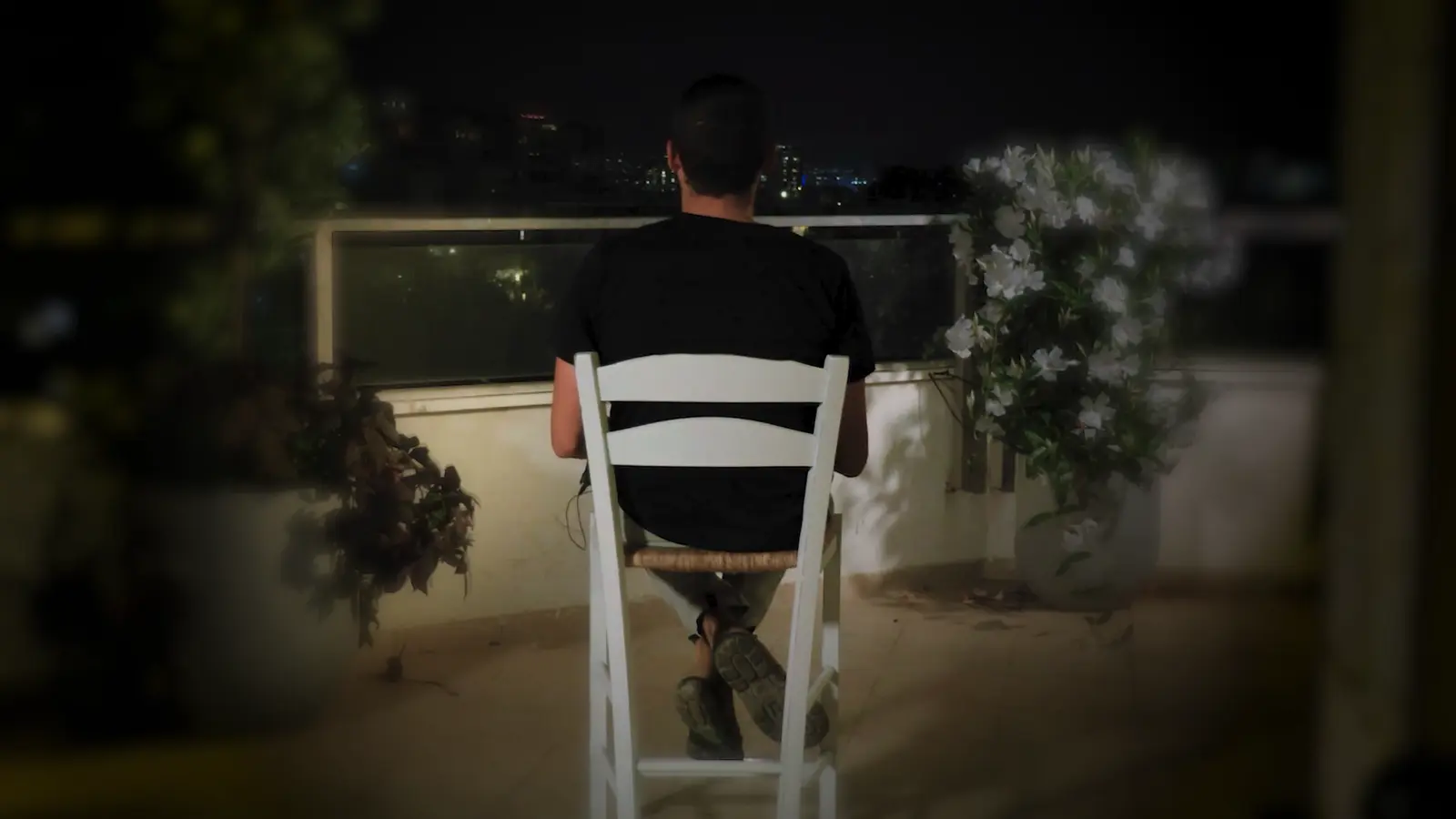
Meet the creators
About


Questions and answers
Questions and answersWhat is Naza: The Real Story?
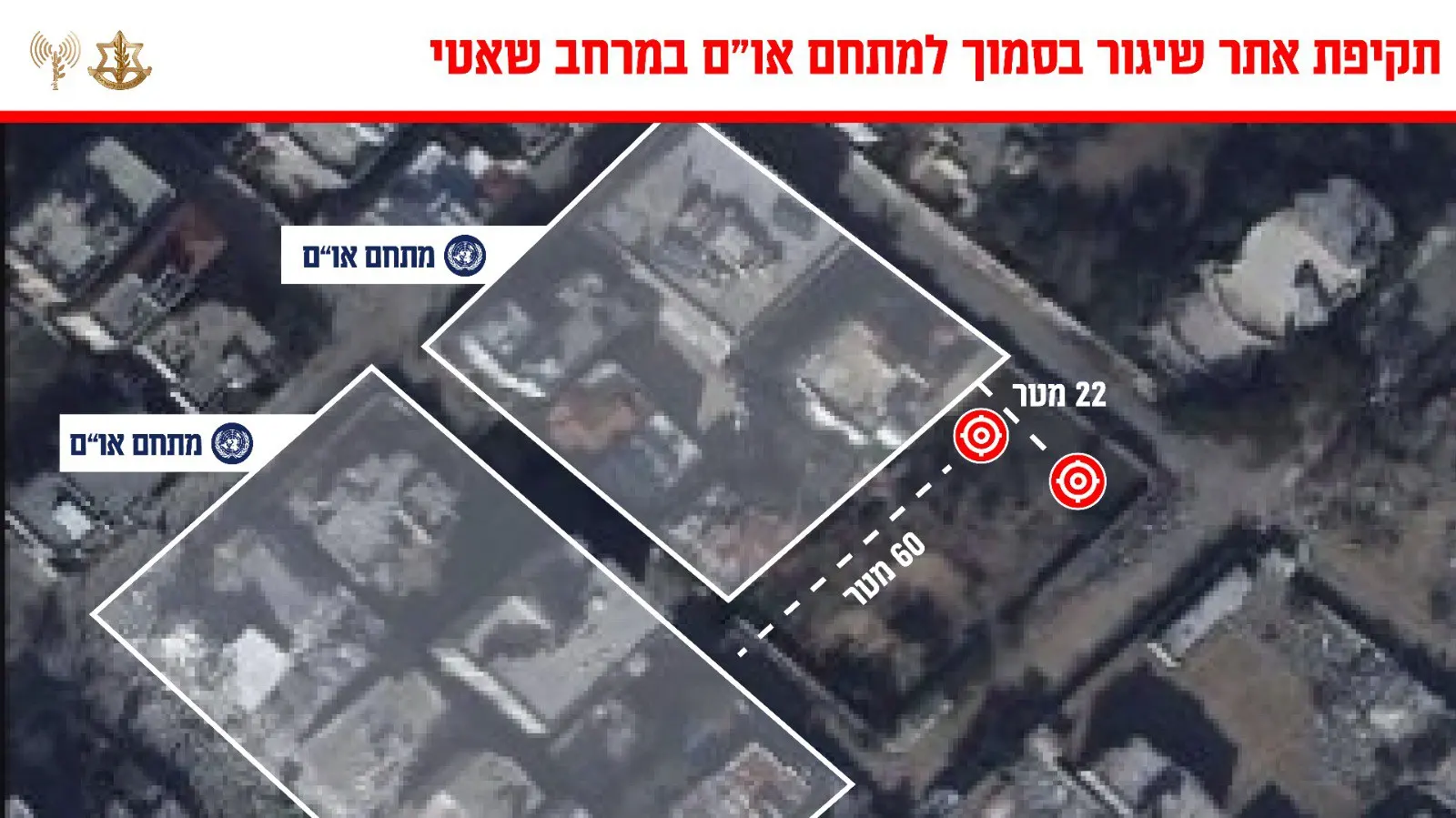
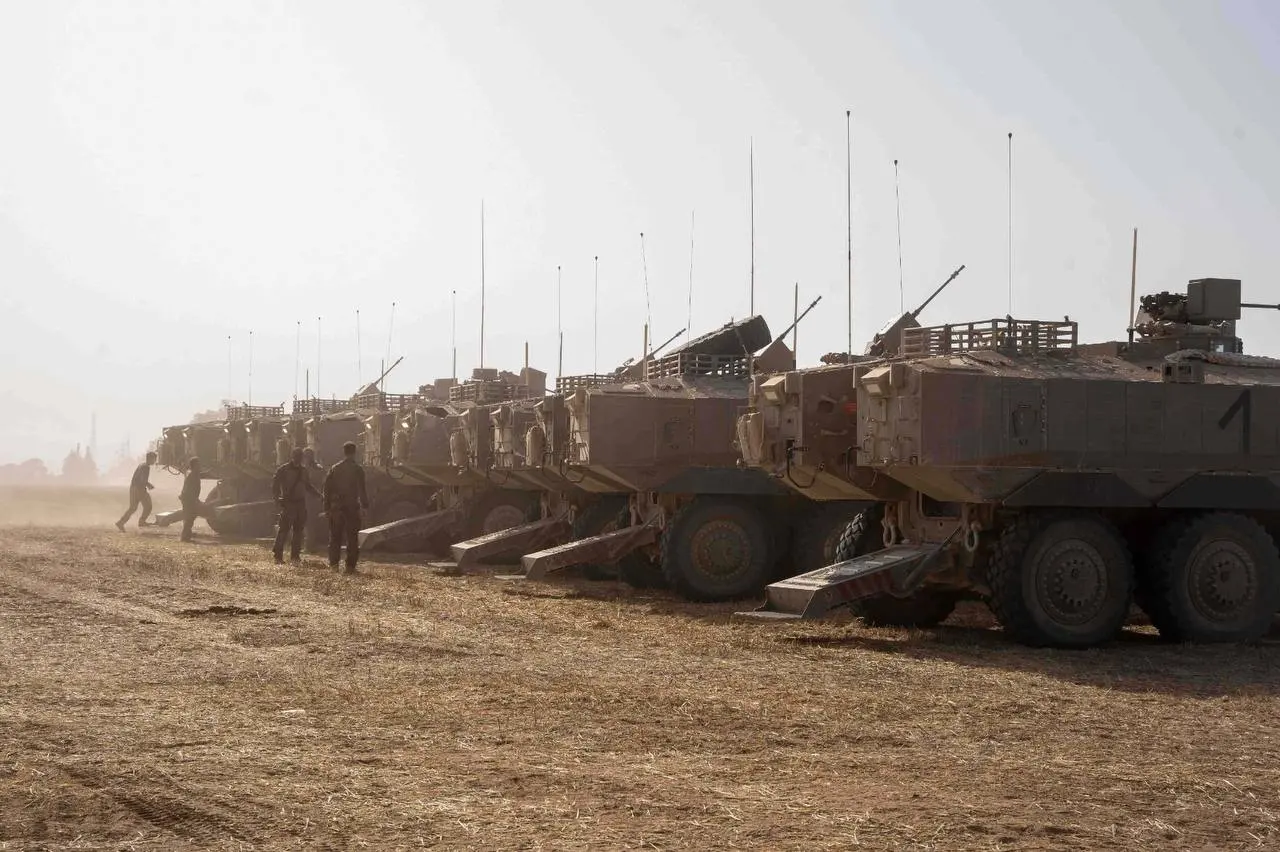
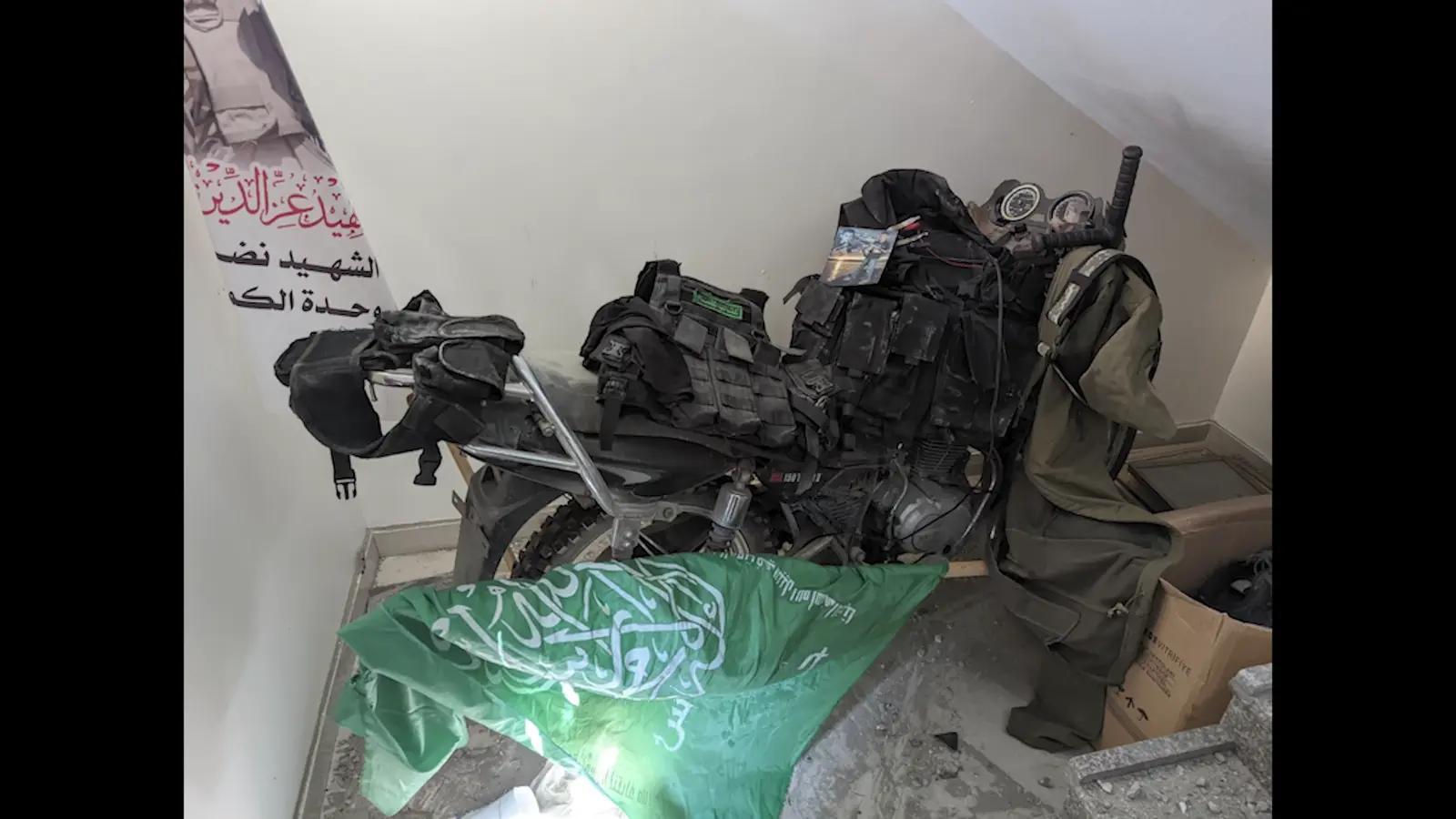
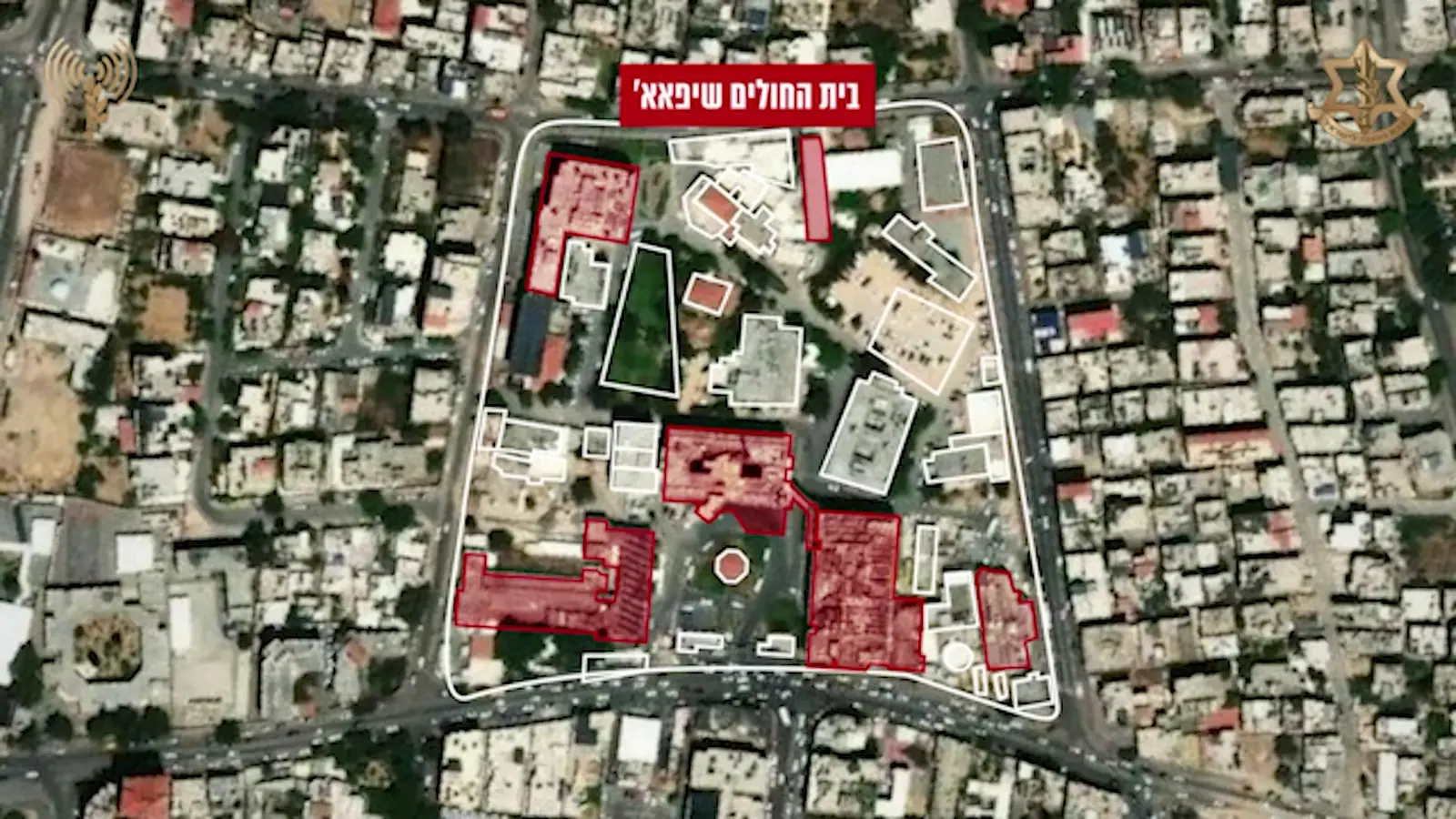
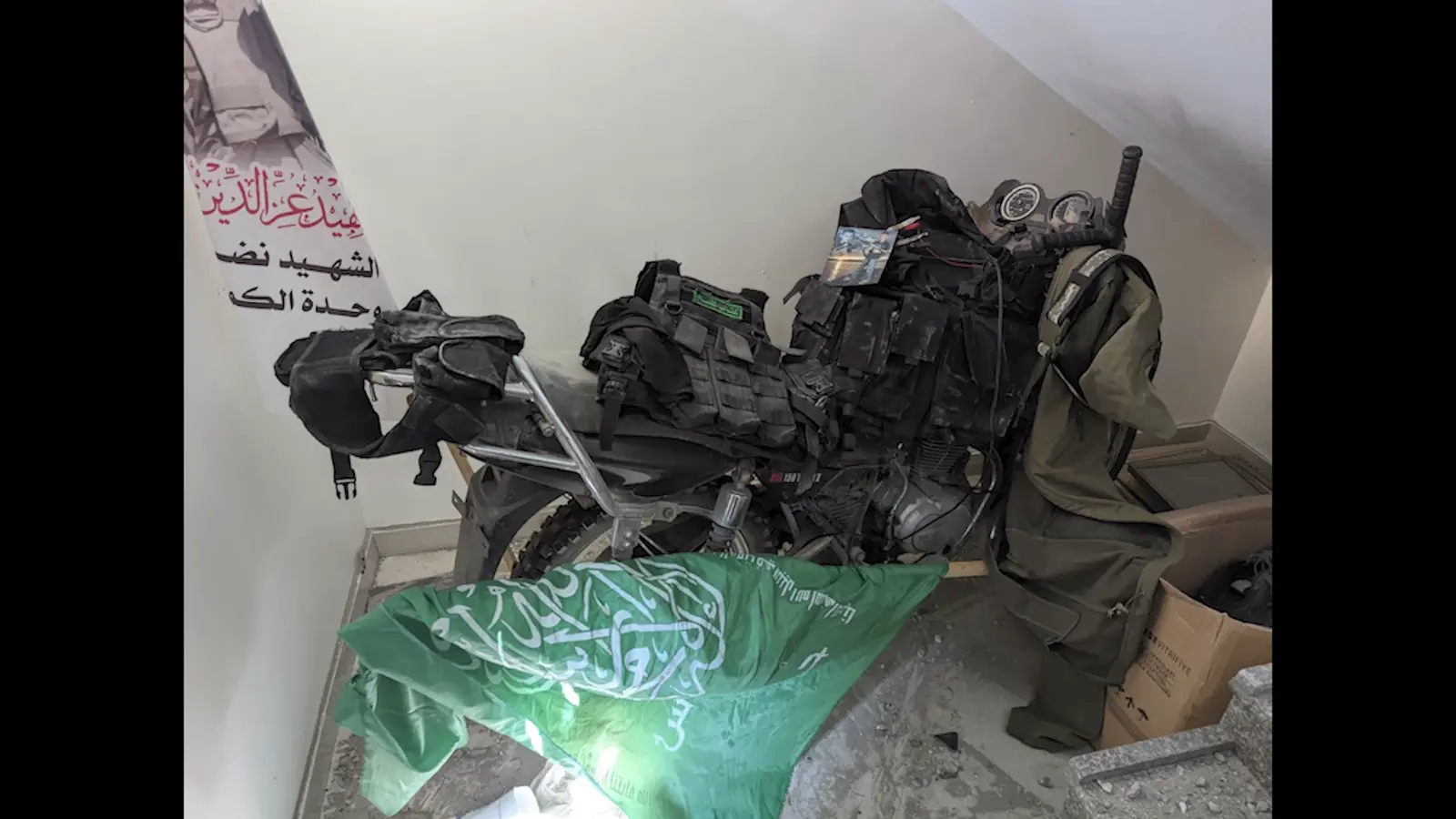
A 49-minute Israeli documentary, free to watch on this site. Senior IDF reserve commanders and intelligence officers describe how the war in Gaza was fought, and the film puts photos, footage and documents on screen next to what they say.
Who made it, and who paid for it?
Roi Danino, Ariel Averbuch and Hagay Gutman made it and paid for it themselves. No government, army or organisation funded it. Their backgrounds are on the About page.
Is it a government film?
No. It was made independently. After it was released, Israeli embassies shared it and Israel's National Public Diplomacy Directorate gave the makers a certificate of recognition. Neither commissioned it or paid for it.
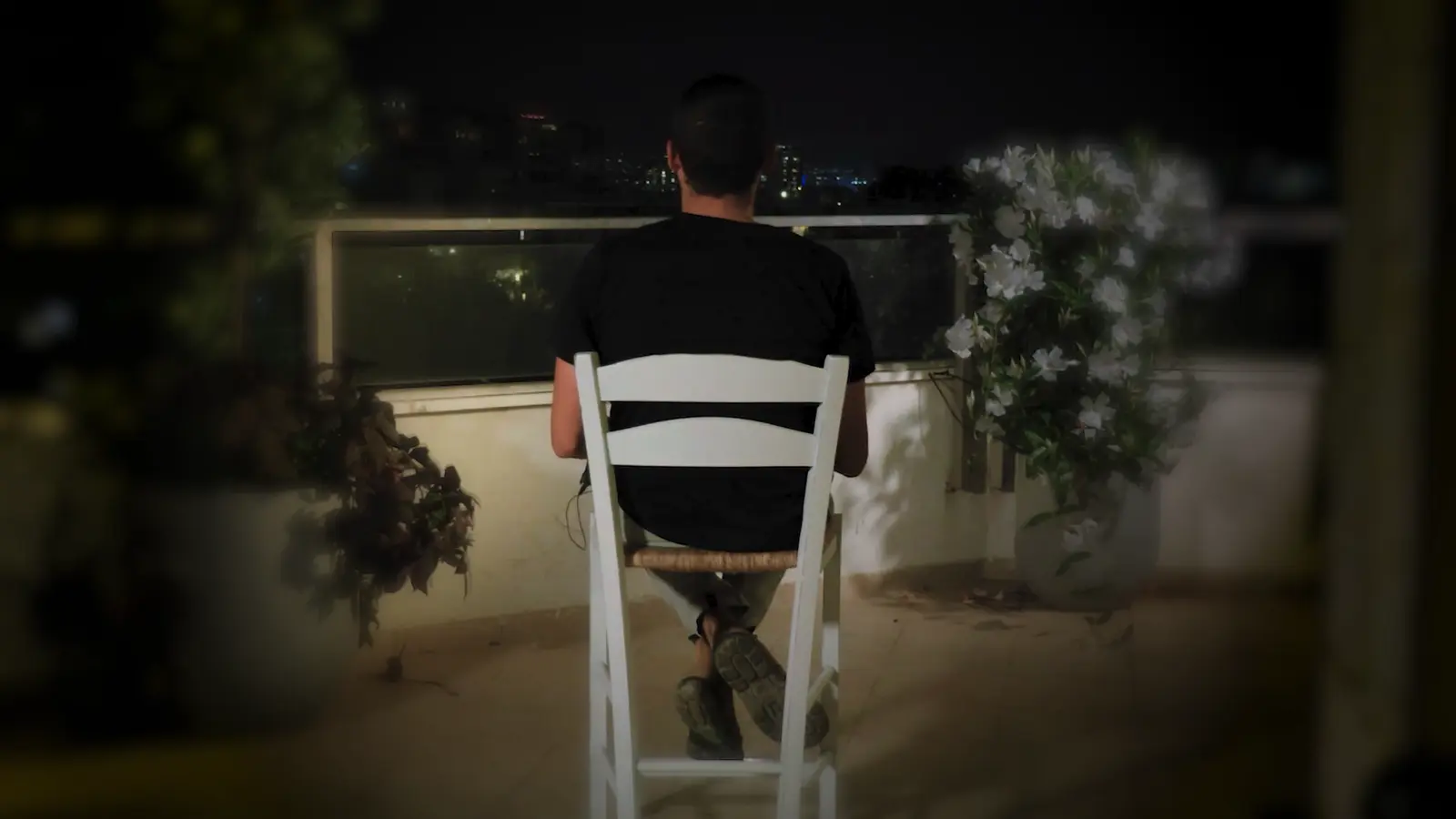
Why do the officers sit with their backs to the camera?
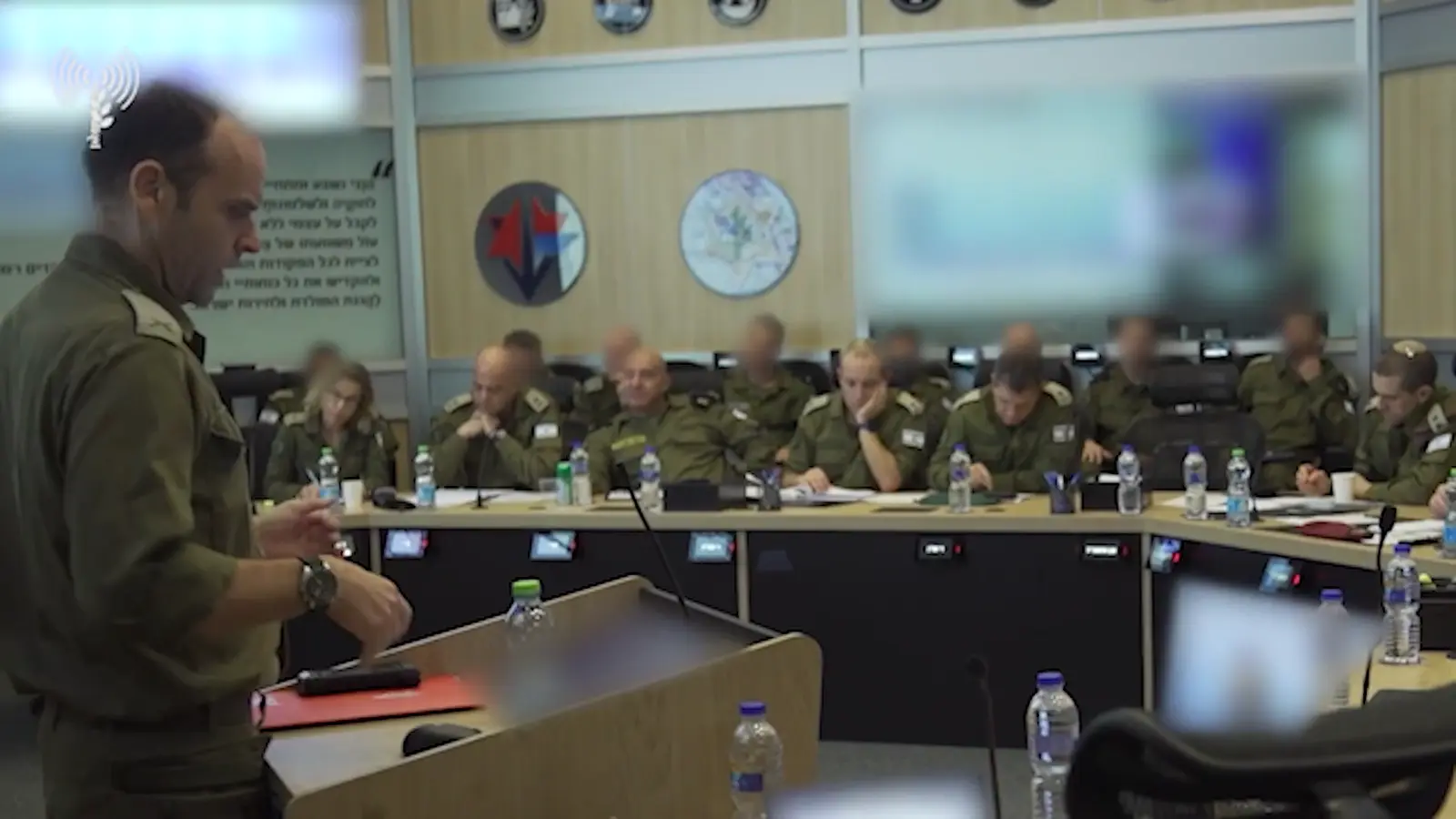
IDF rules do not allow officers in these positions to show their faces on camera. So they sit with their backs to it, and the film identifies them by the roles they held.
How do I know what they say is true?
Two kinds of material are in the film. What you see: photos, footage and documents that, according to the makers, were cleared for publication. What you hear: the officers' own account of what they did and why. Where outside sources confirm or dispute a point, the blog sets them out with links, so you can check for yourself.
Whose side of the story is this?
The officers' side. They ran the operations, and the film lets them explain their decisions in full. It does not claim to be neutral. It answers a film that told the story from the other side, and it shows its material so viewers can weigh it.
- “NAZA: The Real Story”: A movie you should see FokusIsrael
- ‘NAZA: The Real Story’ Gains Momentum as Counter-Film Challenges Gaza Documentary Jewish Journal
- IDF Dismantles 'NAZA' Point by Point as Reservists Answer With 'The Real Story' Israel365 News
- ‘NAZA: The Real Story’ Debunks NAZA’s Allegations Via Interviews With IDF Combatants In Gaza VINnews
- Naza, la véritable histoire… enfin ! Sababa Médias
- Frente a 'NAZA', Israel premia un documental que defiende a su Ejército y expone el uso de escudos humanos de Hamás Libertad Digital
Blog
Blog-
Where criticism of Israel ends and antisemitism begins
The IHRA text, BDS practice, and votes in Berlin and Brussels mark a line between policy critique and targeting Jews as Jews.
-
What BDS is, in its founders' own words
The 2005 BDS call, Omar Barghouti's statements on Israel and return, boycott results, and why many governments treat the campaign as discriminatory.
-
Why both films use the word Naza
Naza is everyday IDF Hebrew for collateral damage, not a private title, which is why two rival documentaries share it and how viewers can tell them apart.