From the film · 2026-09-19
How the IDF distributes aid in Gaza
What COGAT reports on crossings, trucks, food tonnage and water lines, and the Israeli position that Hamas on the Gaza side of the fence affects distribution.
The film and the aid question
Private Screener. Thank you for taking the time to watch this film. We’d value your honest impressions after viewing. This link is intended for you only. Please don’t forward, download, record, or publish any part of the film without prior permission. This post summarizes what Israeli agencies and the film's speakers say about aid, and notes where others describe the situation differently.
Who records the figures
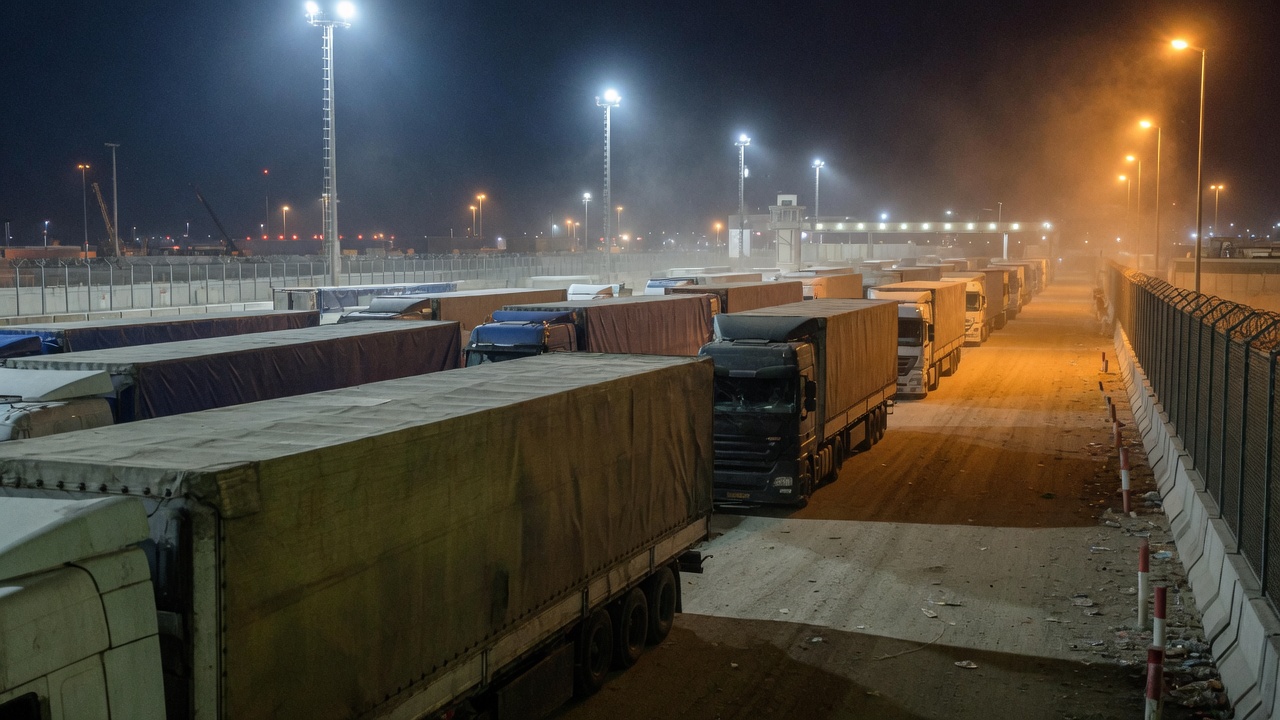
COGAT, the Israeli government body that coordinates civilian affairs in the territories, logs trucks and cargo entering Gaza and publishes the totals at gaza-aid-data.gov.il. COGAT reports that by 15 October 2024 it had moved 1,081,294 tons of aid into Gaza on 54,786 trucks, of which 837,440 tons were food. The rest was water equipment, medical supplies, shelter materials, cooking gas and fuel.
For the period after the October 2025 ceasefire, COGAT says about 600 humanitarian trucks a day entered through Israeli crossings, 70 to 80 percent of them food. It reports more than 1.7 million tons of food after the ceasefire, and says food prices fell about 72 percent between September 2025 and May 2026. COGAT also says more than 70,000 cubic meters of water a day were supplied from Israeli lines, desalination, wells and tankers, and that bakeries supported by international groups produced millions of pitas a day.
These are figures published by an Israeli government body. UN agencies, aid organizations and others have described shortages, restricted access and hunger in Gaza at different points in the war, and they assess how much cargo reached people differently. The figures show what entered; they do not by themselves show what each household received.
Crossings and other routes
Kerem Shalom, in the south, is the main crossing for goods. Israeli officials say Hamas fired on the crossing at times, and that closures followed when the site was hit or judged unsafe. Aid groups say closures, inspections and security restrictions slowed deliveries.
Other routes were used as the front line moved. Israel, the United States, Jordan and other partners carried out airdrops. In 2024 the United States built a floating pier off the Gaza coast; weather and security problems interrupted it, and the tonnage it delivered was modest compared with land crossings. Airdrops and the pier are widely described as less efficient than trucks. Rafah, the crossing with Egypt, is mainly a crossing for people rather than bulk goods.
Inspection of cargo
Israel inspects cargo entering Gaza. Israeli officials say this is because some materials can be used for military purposes, for example in tunnels or rockets, and refer to such items as dual-use. Aid organizations and UN agencies say inspection and restrictions delayed some loads, including items they consider essential. Both accounts exist, and the record of individual delays is contested.
Distribution inside Gaza
Entry is one step; distribution is another. The IDF says Hamas has taken aid, and has released video that it says shows armed men seizing convoys. BBC reporting in 2025 described diversion of aid. In February 2009, UNRWA suspended imports after gunmen seized blankets, flour and rice. Other accounts attribute gaps in supply to fighting, displacement, insecurity and access limits. The film's speakers describe the hunt for armed men as part of the same war as the aid effort; that is their account, not an independent finding.
Hostage operations on the same calendar
The film's speakers describe aid work and hostage recovery as running at the same time in the same cities. The IDF's first military recovery of a hostage was on 30 October 2023. Operation Golden Hand in February 2024 took place in Rafah, and Operation Arnon in June 2024 in Nuseirat. Readers who want the hostage material will find it in the separate post on that subject.
What the film records
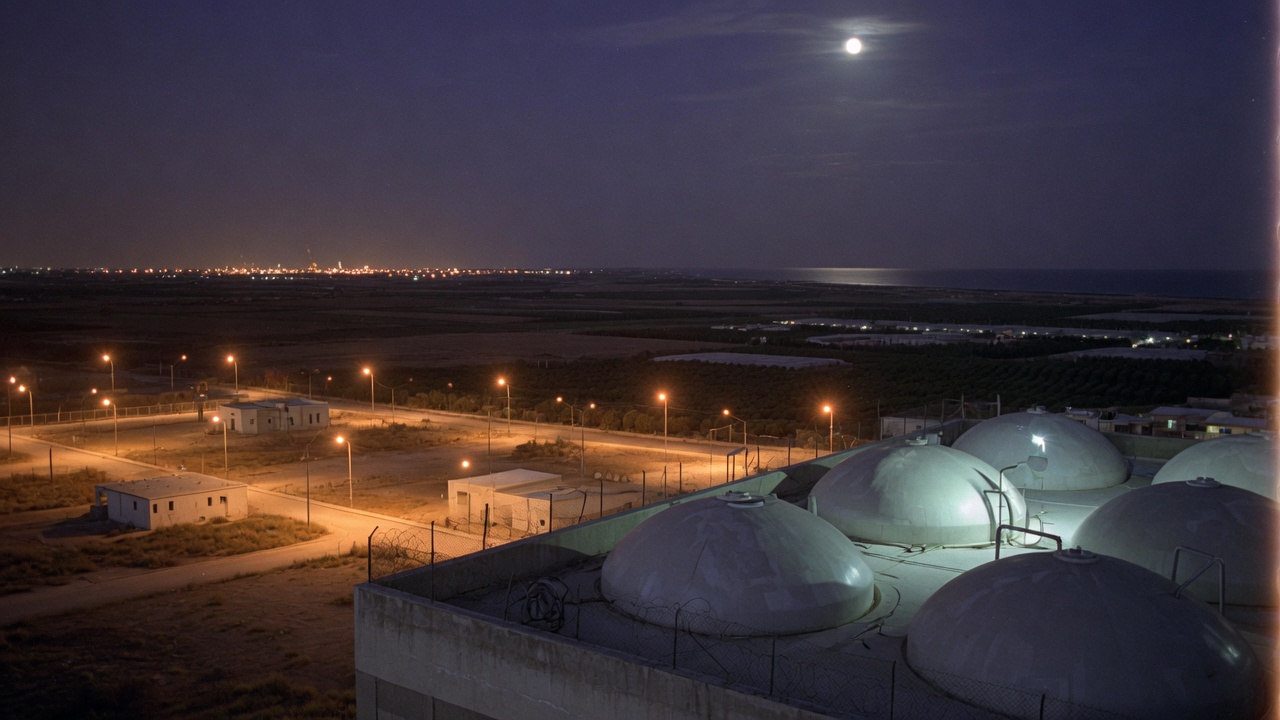
The camera in Naza: The Real Story sits on a roof, with city light and the sea to the west. IDF soldiers talk after dark about targeting, hostages and aid. Private Screener. Thank you for taking the time to watch this film. We’d value your honest impressions after viewing. This link is intended for you only. Please don’t forward, download, record, or publish any part of the film without prior permission.
The film is a set of interviews. It is not an audit of aid figures, and its speakers are describing their own experience of the war. Readers who want to compare accounts can read the COGAT board alongside reports from UN agencies and aid organizations, and weigh where they agree and where they differ.
Private Screener. Thank you for taking the time to watch this film. We’d value your honest impressions after viewing. This link is intended for you only. Please don’t forward, download, record, or publish any part of the film without prior permission.
Sources
More from the film
-

From the film · 2026-09-25
IDF fire rules near hospitals in Gaza: what an IDF commander says
-
From the film · 2026-09-25
Medicine for hostages in Gaza: what the film presents
-
From the film · 2026-09-25
A man and a toddler in a school shelter: an account from the film
-
From the film · 2026-09-25
Weapons in Gaza homes: a reserve commander’s account in the film