



































October 7: what Hamas filmed, and what investigators documented
Hamas cameras, forensic teams and a UK parliamentary inquiry recorded the killings, rapes and kidnappings of 7 October 2023. Here is the record.
Key takeaways
- The Anti-Defamation League records that Hamas terrorists and their allies killed over 1,200 people and took 251 hostages on 7 October 2023, including nearly 400 people at the Nova festival.
- A UK all-party parliamentary commission reported 1,182 fatalities, 251 hostages, breaches of the border at 119 points, and more than 370 people killed at Nova.
- Israel’s Foreign Ministry, after forensic identification, revised the death toll from about 1,400 to about 1,200, saying many unidentified corpses were terrorists, not Israeli victims.
- The Association of Rape Crisis Centers in Israel and the Dinah Project documented rape, including group rape, at the Nova site, on Route 232, at kibbutzim and at military posts.
The morning of 7 October
Saturday 7 October 2023 was the Jewish Sabbath and the holiday of Simchat Torah. That morning Hamas and allied terrorist groups launched a coordinated assault from the Gaza Strip into southern Israel. A UK all-party parliamentary commission later described an opening rocket barrage of nearly 5,000 projectiles, breaches of the border fence at 119 points, and infiltrations by land, paraglider and boat. The Anti-Defamation League’s account of that day states that the attackers killed over 1,200 people, mostly civilians, and took 251 hostages. The parliamentary commission put the death toll at 1,182, with more than 4,000 wounded, and recorded 251 people taken into Gaza, 210 of them alive and 41 already dead.
The tallies sit close together, and they make one thing explicit: the target was civilians. The parliamentary commission counted 863 civilians among the dead, 73 percent of the total, and found that women and children accounted for 27 percent of those killed. A compilation of Israeli casualty figures later put the October 7 death toll at 1,195, including 778 civilians, 282 soldiers, 57 police officers and 38 local security officers, among them two infants, 12 children under ten and 36 people aged 10 to 19. Most of the dead were Jewish Israelis. The terrorists also killed, wounded or abducted Arab citizens of Israel, Bedouin among them, and foreign workers. Nationals of 44 countries were among those killed or taken hostage; the largest group of foreign victims were Thai agricultural workers. The American Jewish Committee recorded at least 21 people from Thailand killed and as many as 54 taken hostage, and confirmed that Filipinos and Sri Lankans working in home care were among the dead and missing.
The numbers were revised as identifications advanced, and the deniers love to point at that. Look at which way they moved. Early Israeli estimates exceeded 1,400. In November 2023, Foreign Ministry spokesman Lior Haiat told Agence France-Presse that the updated figure was about 1,200, “due to the fact that there were a lot of corpses that were not identified and now we think those belong to terrorists… not Israeli casualties.” He cautioned that it was an estimate, not a final count. The lower totals came from forensic work that separated Israeli dead from terrorists killed in the fighting and matched fragments to names. Disputed counts should be stated as disputed. The order of magnitude is not in serious dispute among governments, wire services, or the parliamentary and civil investigators who examined the scenes.
The kibbutzim, the festival and the roads
The largest single loss of civilian life was at the outdoor trance festival near Kibbutz Re’im, commonly called Nova or Supernova. The parliamentary commission reported that over 370 people were killed there, most of them young attendees, in what it called the deadliest concert attack in history. A later Israeli military accounting, summarised in reporting on identified Hamas kidnappers, put the festival death toll at 364, with 44 people taken hostage. About half to 60 percent of those killed did not die at the festival site itself. Those who stayed were shot in hiding places under the stage, behind the bar, in mobile toilets and in waste containers. Those who fled were ambushed in their cars with automatic fire and rocket-propelled grenades, or killed by grenades thrown into roadside shelters along Route 232, the main highway of the Gaza Envelope. Hamas terrorists seized junctions on that road and turned more than 30 locations into a killing zone.
In the kibbutzim, they went house to house. The parliamentary commission recorded attacks on 32 civilian communities, with 416 people killed in those villages in a matter of hours and 183 of the 251 hostages taken from them. Be’eri and Kfar Aza had the highest civilian death tolls, 99 and 62. Nir Oz saw the most kidnappings: 75 people taken hostage and seven bodies abducted. At Be’eri, some houses were set on fire to drive the occupants out so they could be shot. An Israeli compilation of that day records that more than 130 bodies were found after the kibbutz was liberated, a figure that may include soldiers, and that security forces killed 103 terrorists. At Kfar Aza, an IDF investigation summarised in the same compilation found about 100 infiltrators in a first wave, and a second wave that left a small local security team facing far larger numbers; 64 residents of a community of some 900 were murdered and 19 taken hostage. Hamas and Palestinian Islamic Jihad were not the only armed participants. The parliamentary commission and Israeli military inquiries both note other Gazan factions and, in some places, civilians from Gaza who joined after the fence was opened. An Israeli army investigation later found that five Gazan workers with permits, and their Israeli driver, were killed on the roads that morning.
They filmed it themselves
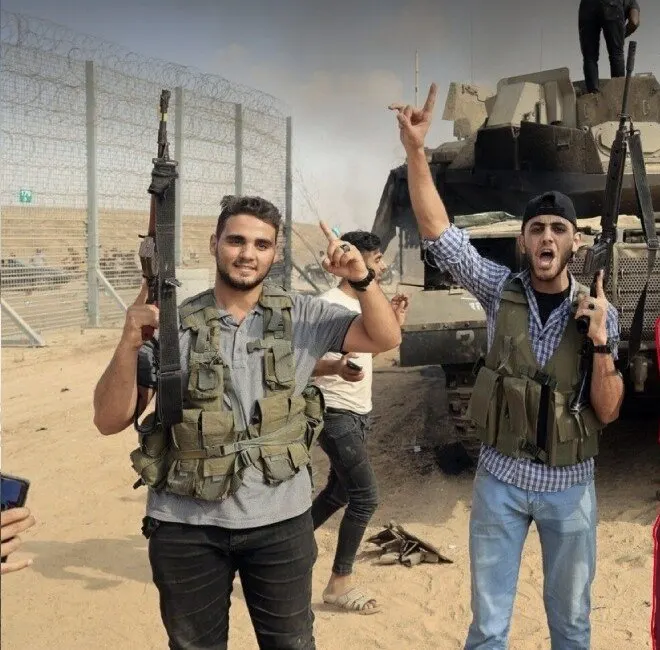
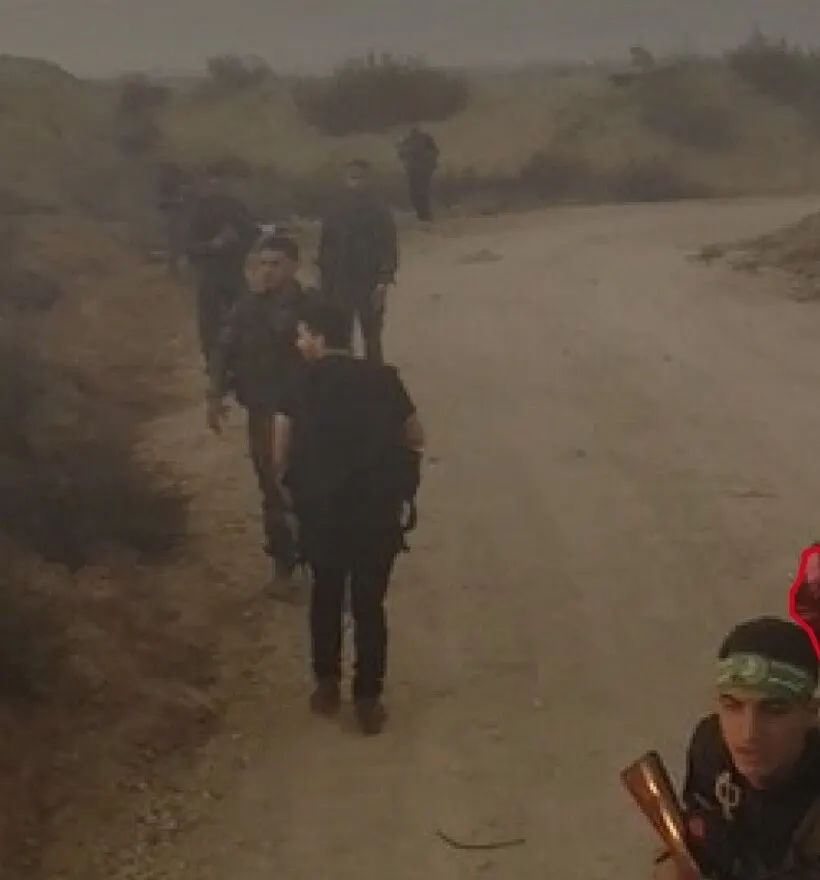
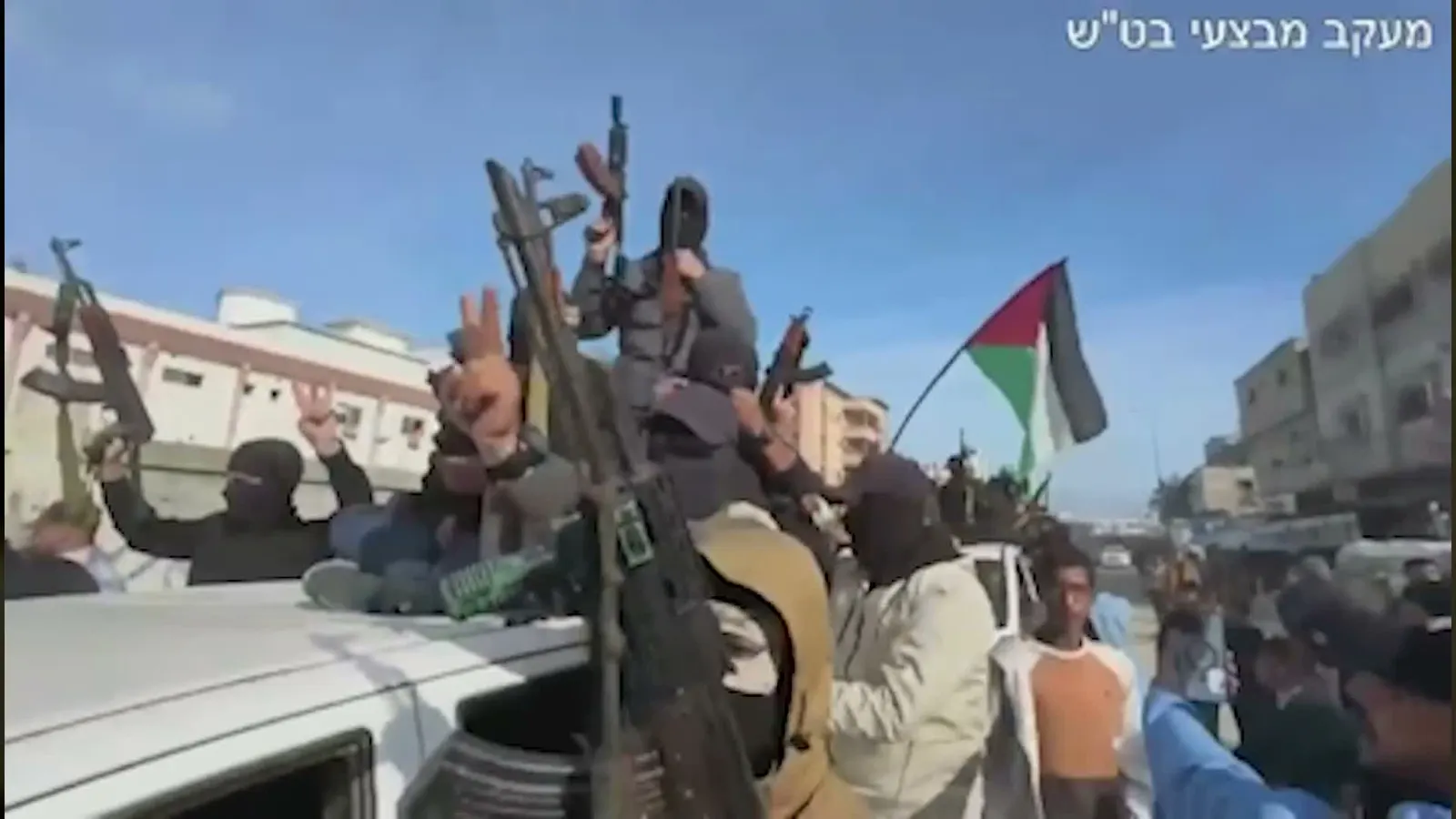
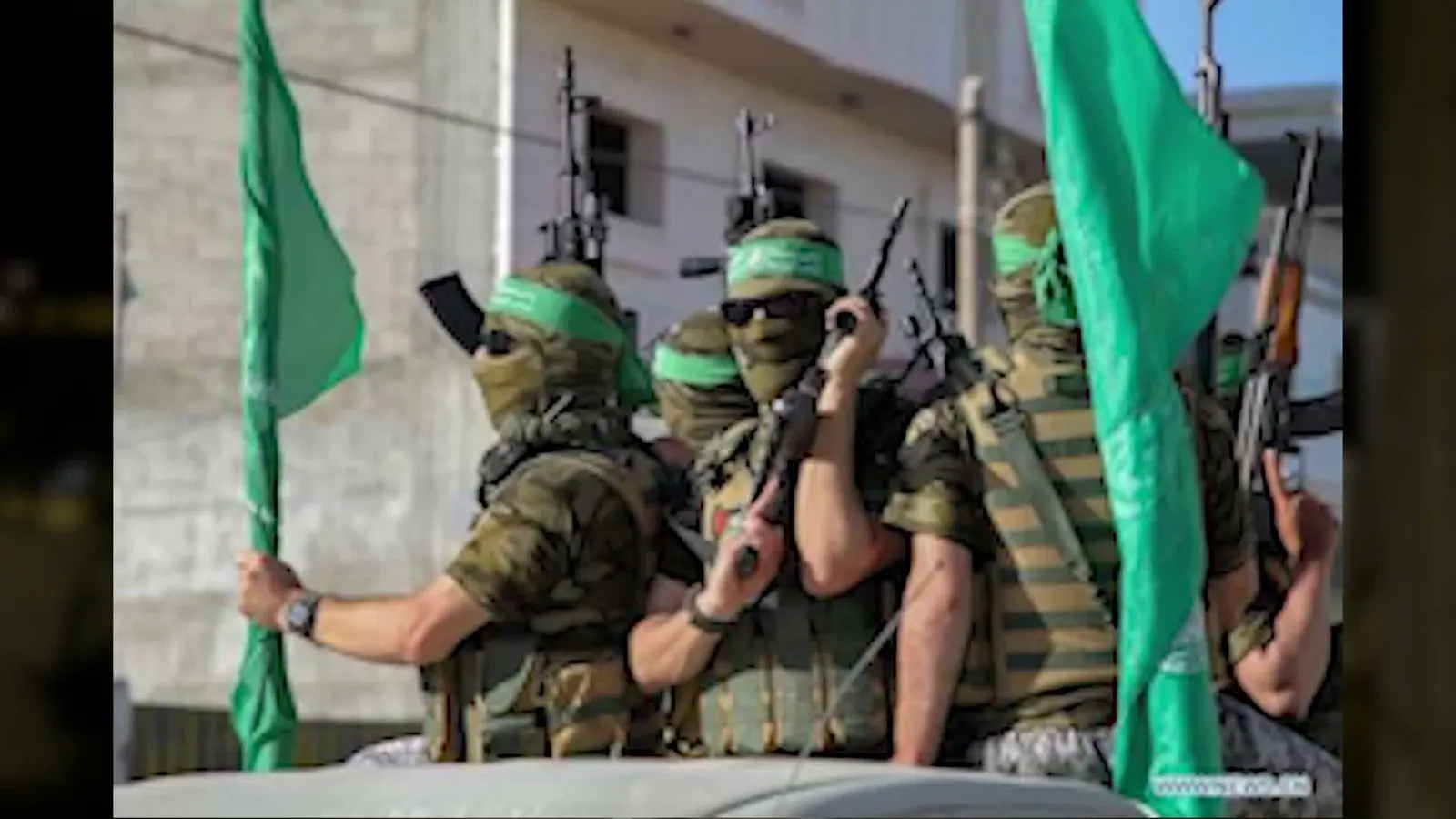
The attackers recorded much of this themselves. The parliamentary commission found that terrorists used GoPro cameras, mobile phones and even their victims’ phones to livestream killings, abductions and the desecration of bodies, and uploaded the material to Telegram and other platforms. Israeli security cameras and dashcams recorded the same hours from the other side of the glass. With that much first-person footage, investigators did not have to rely on any single testimony. The perpetrators broadcast much of the crime themselves.
Sexual violence: the most denied, the most carefully checked
Sexual violence is the part of the record that has been most fiercely denied. It is also the part investigators handled with the most caution. The parliamentary commission described a pattern, across several locations and especially at Nova, of bodies recovered fully or partially naked from the waist down, mostly women, with hands tied and shot multiple times, often in the head. It recorded reports of gang rape, sexual mutilation and assaults on both living and dead victims. In February 2024 the Association of Rape Crisis Centers in Israel, drawing on official sources, media, first responders and additional material given to the centres, reported that women, girls and men were raped, sometimes at gunpoint, including attacks on wounded women, group rapes and rapes in front of partners, family or friends. The study said the assaults were “characterized by multiple assailants, assaults in front of family members, executions and accompanied by unique sadistic practices,” including genital mutilation. In July 2025 the Dinah Project, based at Bar-Ilan University, concluded from survivor, witness and rescue-personnel testimony that sexual violence was widespread and systematic at Nova, at the Nahal Oz military base, and in the kibbutzim of Nir Oz, Kfar Aza and Re’im, with recurring patterns: victims found partly or fully naked with hands tied, gang rapes ending in execution, and violence to genitals.
How the evidence was gathered
The first hours were a mass-casualty emergency, not a textbook crime scene. Bodies were recovered under fire. Houses were still burning. Identification became a long forensic operation. Remains went to receiving facilities and to Israel’s National Center of Forensic Medicine, a laboratory that normally handles about 2,000 cases a year and was overwhelmed. Its director, Dr Chen Kugel, described a charred mass that a CT scan showed to contain two spines and two sets of ribs, apparently an adult and a child fused in a final embrace. Archaeologists from the Israel Antiquities Authority were brought in to recover burned bone that others might miss. Staff at the centre said some bodies were so mutilated, burned and fragmented that they might never be identified. Months later, Israeli officials were still making new determinations: the remains of a Nova security guard, Elyakim Libman, were found inside Israel after they had been accidentally buried with two other festival victims. Heat, fragmentation and mixed remains destroy the evidence a courtroom wants. That is why some identifications took months, and why some early public claims about particular wounds were later walked back.
Israel’s national police, the IDF, the Shin Bet and civilian forensic services assembled the criminal file. The attackers’ own cameras were a primary source. Open-source analysts have since used that footage, with facial-recognition tools, to name individual perpetrators. Separately, the Association of Rape Crisis Centers interviewed first responders. The Dinah Project cross-checked open-source testimony, media, conferences and studies from a legal perspective. A cross-party British parliamentary commission produced a 315-page report based on personal testimonies of survivors, bereaved families and hostages, together with Israeli security, medical, academic and civil-society officials. In 2026 the Civil Commission on October 7th Crimes Against Women and Children published a two-year investigation, Silenced No More, based on testimonies, official records and more than 10,000 photographs and video segments, identifying thirteen recurring patterns of sexual and gender-based violence.
These bodies of work are not identical, and they state their limits openly. Forensic material was constrained by fire and by the speed of recovery. Photographs were not always well classified. Some interpretations by non-professionals were unreliable. The Association of Rape Crisis Centers and the Dinah Project both noted that many victims were murdered after the assault, or were too traumatised to speak, so the true prevalence may never be fully known. Those limits are real. They do not erase the core of what cameras, pathologists and surviving witnesses recorded.
What investigators found, and what they did not
We do not need to inflate anything. The record is strong enough with its corrections included. The death toll was revised downward once unidentified corpses were recognised as terrorists. Some remains were buried with the wrong people and had to be re-examined. Forensic teams could not always say, from burned tissue, exactly which wounds were inflicted before death. A short recovery operation could not map every site. What later investigations did map is more than enough to bury the claim that none of this happened.
On sexual violence the record converges, and it is specific. The parliamentary commission found the pattern of bound, partly naked, shot bodies, especially at Nova. The rape-crisis centres found group rape at the festival, in border communities, at overrun army posts and in captivity. The Dinah Project named six locations and treated the repetition of the same acts in several places as evidence of planning, not coincidence. In May 2024 the IDF released interrogation videos in which a Hamas father and son, Jamal Hussein Ahmad Radi and his son Abdallah, described raping a woman in Kibbutz Nir Oz; Abdallah said his father then killed her. The IDF also released captured phrase lists in Hebrew and Arabic that included “Take off your pants,” “Take off your clothes,” “Women here,” and “Raise your hands and spread your legs.” Why would a raid on military targets need those phrases? The New York Times, as later summarised in compilations of the forensic record, reported in December 2023 on visual material provided by Israeli authorities, including a woman with nails driven into her thighs and genitals and fatal groin injuries to soldiers and civilians. Hamas denies that its members committed sexual crimes. Two of its captured members, in interrogation videos the IDF released, described rape.
The deniers, and what they cannot explain
Denial comes in several forms: the massacre was fabricated or grossly inflated; Israeli forces caused the civilian deaths; sexual violence is a propaganda story. The Anti-Defamation League has catalogued claims that photographs of the aftermath were staged or generated by software, that Hamas killed no civilians, and that accounts of rape are unverified. Hamas denies the sexual-violence allegations while its own members’ cameras documented the killings and abductions. Musa Abu Marzouq, a member of Hamas’s political bureau, claimed that most Israeli civilians killed that day were victims of Israeli tank shells and air-dropped bombs, not of Hamas rifles. Then listen to Ghazi Hamad, another Hamas official, on Lebanese television on 24 October 2023: “the Al-Aqsa Flood is just the first time, and there will be a second, a third, a fourth,” and “everything we do is justified.” That is a statement of intent, not a forensic exhibit. It sits badly beside any claim that the assault was a limited military raid gone wrong.
The answer to denial is not shouting. It is the convergence of sources that do not share a brief: the attackers’ own footage; Israeli police and military investigations; forensic work at the National Center of Forensic Medicine; a British parliamentary commission that recorded executions, mutilations and sexual violence; a rape-crisis-centre study based on first responders; and a legal review by the Dinah Project that found the same pattern in several locations and called it systematic. None of this requires hatred of Arabs from Gaza as a people. It requires telling a civilian population apart from the terrorist groups that planned and filmed the killing of families, festival-goers and foreign workers, and from those who went on holding hostages.
The people who tried to stop it were not only soldiers. Youssef Ziadna, a Bedouin Arab driver, had taken a group to the festival. After a call for help at 6 a.m., he went back under fire, gathered about thirty people onto his bus and reached a nearby kibbutz. He later learned that a cousin had been murdered and that four members of his family were missing. “I said no way, I will throw myself at death if it means I can save lives,” he later explained.
The record stands
The terrorists filmed their own crimes. Pathologists, a British parliamentary commission and rape-crisis investigators confirmed them. Anyone who still says it did not happen is not asking for evidence. They are refusing to look at it. See the officers’ own account of the war that followed in Naza: The Real Story, and read the morning the fence failed on October 7 and what happened on 7 October 2023?.
Sources
- Anti-Defamation League, October 7 Hamas Attack on Israel adl.org
- Anti-Defamation League, The October 7th War: A Timeline adl.org
- APPG UK-Israel, 7 October Parliamentary Commission Report (via Jewish Virtual Library) jewishvirtuallibrary.org
- Jewish Virtual Library, The Israel-Hamas War: The Massacre jewishvirtuallibrary.org
- Jewish Virtual Library, The Israel-Hamas War: Casualties jewishvirtuallibrary.org
- FDD, Israel Revises October 7 Death Toll After Agonizing Forensics fdd.org
- FDD, Two More October 7 Victims Declared Dead fdd.org
- FDD, Israel links 8 eliminated Hamas fighters to October 7 attack fdd.org
- FDD, Hamas Sexual Crimes Detailed in New Report on October 7 Attack fdd.org
- FDD, UN Report Says Hamas Used Rape as Crime of War (NYT and ARCCI summaries) fdd.org
- Jewish Virtual Library, The Israel-Hamas War: The Atrocities jewishvirtuallibrary.org
- Jewish Virtual Library, Hostage Testimonies (Dinah Project) jewishvirtuallibrary.org
- Terrorism Info, Instructions Given by Yahya al-Sinwar for the October 7 Attack terrorism-info.org.il
- Fox News, Israel's quest for justice exposes Hamas' systematic sexual violence foxnews.com
- NGO Monitor, Ghazi Hamad Lebanese television interview, 24 October 2023 ngo-monitor.org
- Anti-Defamation League, Denial and Distortion of the Hamas-led October 7 Attack adl.org
- Anti-Defamation League, Allegation that Oct. 7 atrocities are unverified or fake adl.org
- American Jewish Committee, Israelis Weren't The Only Victims of Hamas' Attack ajc.org
- FDD, Using Facial Recognition Tools To Identify October 7 Perpetrators fdd.org
- Terrorism Info, Operation Iron Swords, 8 November 2023 (Musa Abu Marzouq) terrorism-info.org.il